

 By
By Apple’s New iPhone 18 Pro Era: How Apple Is Redefining Smartphones in 2026
Apple is once again dominating the consumer electronics conversation as its latest hardware lineup reaches customers worldwide. On September 18, 2026, Apple launched the iPhone 18 Pro, iPhone 18 Pro Max, Apple Watch Series 12, Apple Watch Ultra 4 and AirPods 5 in stores. The launch represents an important moment for Apple because the company is combining smartphone hardware improvements with artificial intelligence, advanced cameras, wearable technology and a broader connected-device ecosystem.
iPhone 18 Pro Takes Center Stage
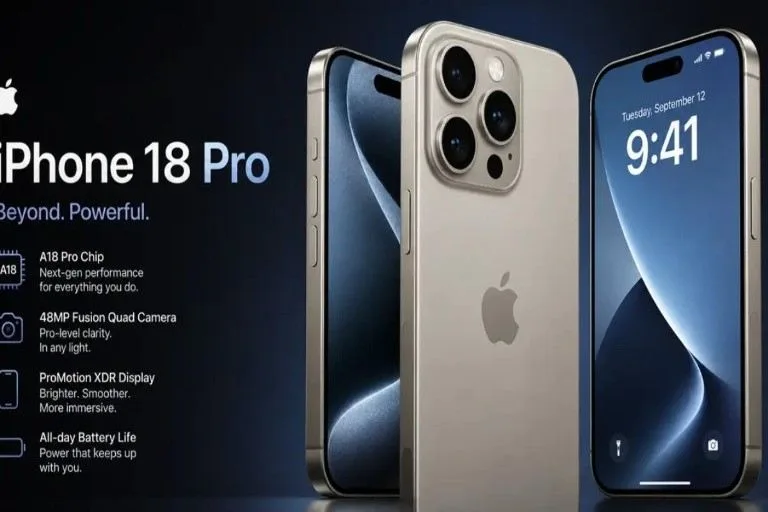
The biggest product in Apple’s latest lineup is the iPhone 18 Pro series. Apple describes the iPhone 18 Pro and Pro Max as delivering major improvements in camera technology, battery life and performance.
One of the most notable camera changes is the new 48MP Fusion Main camera with variable aperture. Variable aperture gives photographers additional control over how much light enters the camera, potentially providing greater flexibility in different lighting conditions. Apple has also introduced new Pro controls within the Camera app, giving users more options when taking photographs and recording video.
These improvements are particularly relevant for content creators, photographers and everyday users who increasingly rely on smartphones as their primary cameras.
Apple Enters a New Foldable Era
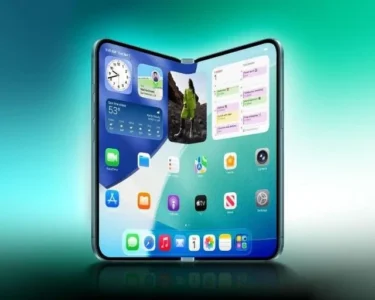
Another major development in Apple’s 2026 hardware strategy is the iPhone Duo, Apple’s first foldable iPhone.
Apple says the iPhone Duo opens to reveal a 7.6-inch inner display, providing a larger screen for activities such as gaming, watching content and multitasking. When folded, the device provides a more compact smartphone form factor. Apple has also emphasized the device’s thin construction and hinge design.
The introduction of a foldable iPhone expands Apple’s smartphone portfolio beyond the conventional slab-style design. It also makes foldable displays an important part of the company’s current electronics story.
AI Becomes More Connected Across Apple Devices
Artificial intelligence is another major theme surrounding Apple’s newest products. Apple’s software ecosystem is increasingly connecting AI-powered capabilities across iPhone, AirPods and other devices.
The latest AirPods 5, for example, support hands-free access to Siri AI and Live Translation when paired with compatible Apple devices. Apple says the earbuds use an updated acoustic architecture and next-generation Adaptive EQ, while the open-ear Active Noise Cancellation system is designed to reduce external noise.
This illustrates an important change in consumer electronics: AI is moving beyond smartphone apps and becoming integrated into everyday accessories.
Apple Watch Becomes More Focused on Health Sensing
Apple’s latest wearable hardware is also part of the company’s technology push. The Apple Watch Series 12 introduces a new Health Sensing System with updated optical and electrical heart sensors. Apple says the system is designed to provide continuous, high-fidelity health monitoring and more accurate heart-rate sensing. The watch also uses Apple’s S11 chip.
The Apple Watch Ultra 4 expands the company’s premium wearable range, with a focus on endurance and additional sensing capabilities.
Together, the new watches demonstrate how Apple is positioning wearable electronics as complementary devices within its broader ecosystem rather than simply as smartphone accessories.
A More Connected Apple Ecosystem
What makes Apple’s September 2026 launch particularly interesting is the way the individual products work together.
An iPhone can serve as the central device while AirPods provide hands-free interaction and translation features. Apple Watch adds notifications, fitness and health-related capabilities, while Apple’s software connects information between devices.
This ecosystem approach is increasingly important in consumer electronics because users are looking for devices that work together rather than isolated gadgets.
What Comes Next for Apple?
Apple’s 2026 product lineup shows that the smartphone market is evolving in several directions at once. Traditional improvements such as faster processors, better cameras and longer battery life remain important, while foldable displays, AI-powered features and advanced wearable sensors are creating new possibilities.
The arrival of the iPhone 18 Pro and other new products also gives consumers a chance to see how Apple’s hardware strategy is developing under its latest leadership and software ecosystem.
For electronics enthusiasts, the most interesting question is no longer simply how powerful the next iPhone will be. It is how smartphones, foldable devices, headphones, watches and AI services will increasingly work together.
Apple’s latest generation provides a clear example of that transition, making the September 2026 product launch one of the most significant Apple electronics stories of the year.