

 By
By Apple’s 2026 AI Push Is Reshaping the Electronics World
Apple is making headlines again in the electronics industry after a major September product cycle that has introduced new iPhones, Macs, AirPods, Apple Watch models and significant software updates. This year’s releases show that Apple is increasingly connecting artificial intelligence, custom chips and hardware across its product ecosystem.
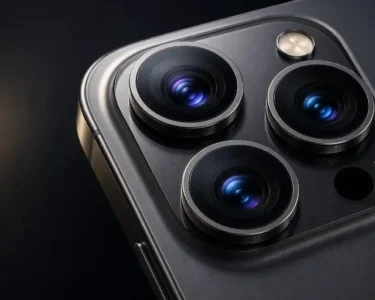
One of the biggest developments is the iPhone 18 Pro and iPhone 18 Pro Max. Apple says the new Pro models bring major improvements in camera capabilities, performance, battery life and intelligence. The phones feature a 48MP Fusion Main camera with a variable aperture, giving users more control over photography and allowing the camera system to adapt to different lighting conditions. Both models are powered by Apple’s A20 Pro chip and use a new vapor-chamber system designed for sustained performance.
iPhone Duo Brings a New Form Factor
Apple has also entered the foldable smartphone market with iPhone Duo, its first foldable iPhone. When opened, the device has a 7.6-inch internal display designed for activities such as multitasking, gaming and viewing content. It also has a 5.4-inch external display for use when the phone is closed. Apple says pre-orders begin October 16, with availability starting October 23.
The iPhone Duo represents an important hardware change for Apple because its larger foldable screen requires software designed around multiple display states. It gives Apple developers another platform for creating applications and experiences beyond the traditional smartphone form factor.
Siri AI Becomes a Bigger Part of Apple’s Ecosystem
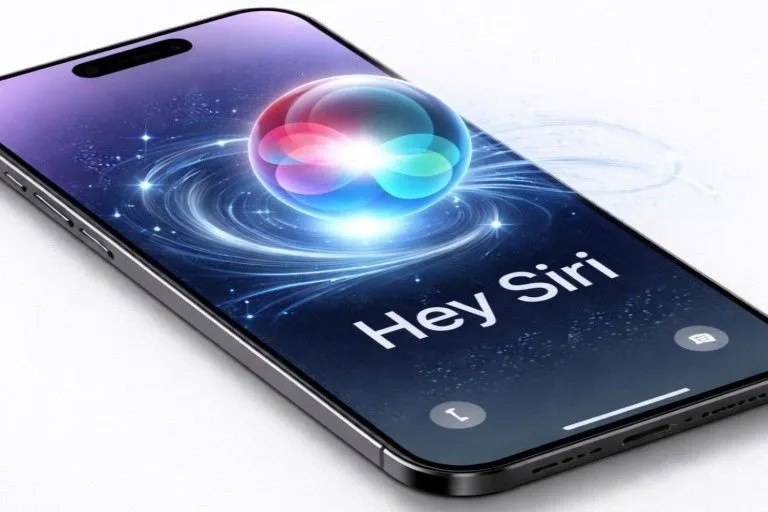
Artificial intelligence is another major focus of Apple’s latest products. Apple has rolled out Siri AI as part of its next generation of Apple Intelligence across iOS 27, iPadOS 27, macOS 27 and other platforms. The company describes the updated Siri as more capable and more personal, with greater integration into everyday applications.
This is significant because Apple’s AI strategy extends beyond the iPhone. The company’s approach connects AI features across Macs, iPads, Apple Watch and AirPods, allowing users to move between devices while staying within the same ecosystem.
New Macs Focus on AI Performance
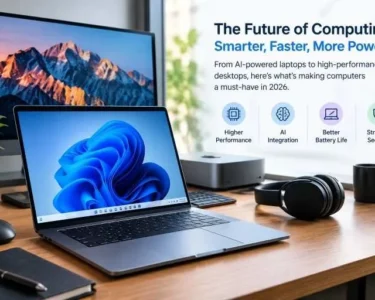
Apple’s computer lineup is also receiving attention. The new Mac mini and Mac Studio became available on September 22, with Apple highlighting improvements in processing and AI performance. The latest Mac mini includes the M6 chip and an M5 Pro option, while Apple says the M6 model can deliver up to four times faster AI performance than the previous generation.
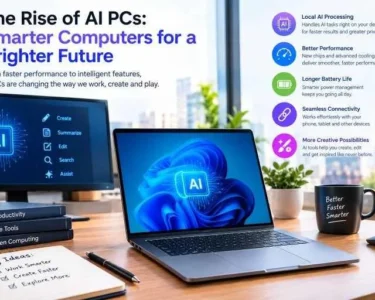
These machines are particularly relevant to developers, creators and professionals who want to perform demanding workloads locally. The growing emphasis on local AI processing is part of a wider industry trend toward computers capable of handling increasingly sophisticated AI tasks without depending entirely on remote cloud services.
AirPods Become More Intelligent
Apple’s latest AirPods 5 also demonstrate how AI is moving into accessories. The new earbuds feature an open-ear design with Active Noise Cancellation, improved acoustics and Adaptive EQ. Apple says the new ANC system can remove up to 50 percent more external noise than AirPods 4 with Active Noise Cancellation.
AirPods 5 can also work with Siri AI and support features such as Live Translation. This means wireless earbuds are becoming more than audio accessories—they can also act as a hands-free interface for Apple’s intelligent services.
A More Connected Apple Ecosystem
The most important trend across Apple’s latest releases is the company’s continued focus on an interconnected ecosystem. The iPhone provides the central mobile experience, Macs handle demanding computing tasks, AirPods provide hands-free interaction, and Apple Watch extends information and services to the wrist.
Apple’s September 2026 product cycle therefore goes beyond individual hardware upgrades. It shows how the company is combining custom silicon, AI, cameras, displays, software and connected devices to create a more integrated computing environment.
For consumers, the result is a technology ecosystem that is becoming increasingly intelligent and capable. For the electronics industry, Apple’s latest products demonstrate how AI is moving from an optional software feature toward becoming a fundamental part of modern hardware design.
With the iPhone 18 Pro lineup, the new foldable iPhone Duo, Siri AI, AirPods 5 and updated Macs now forming the center of Apple’s 2026 strategy, the company is entering the next stage of personal electronics—where devices are not only faster and more powerful, but increasingly designed to understand how people use them.