

 By
By AI PCs Are Changing Computers in 2026: The Rise of Smarter, More Powerful Machines
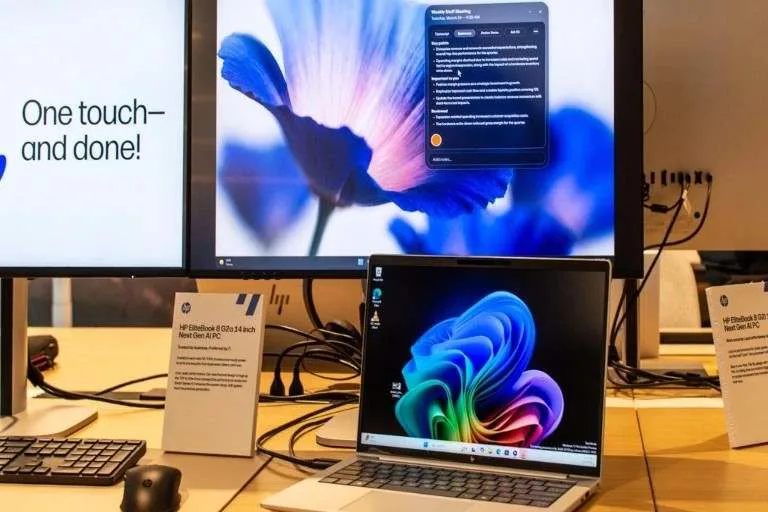
The computer industry is entering a new phase in 2026, and artificial intelligence is at the center of the transformation. Instead of using AI only through cloud-based services, modern computers are increasingly being designed to run AI workloads directly on the device. This shift is creating a new generation of AI PCs that can understand, process and respond to tasks more efficiently.
One of the biggest trends today is the move toward agentic AI on computers. Instead of simply answering a question, AI agents can potentially help users complete multi-step tasks, work with applications and automate repetitive activities. Qualcomm recently highlighted its Snapdragon X2 platform as part of this emerging “agentic” computing era, with AI processing designed to run locally on PCs.
Local AI Is Becoming More Important
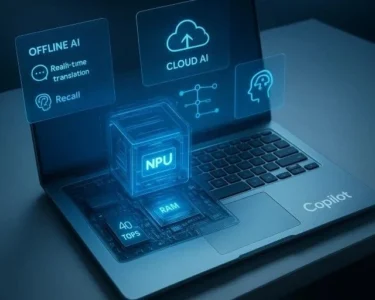
Traditional AI services often depend on cloud data centers. While cloud computing provides enormous processing power, sending information to remote servers can create concerns around privacy, latency and recurring costs.
AI PCs are designed to handle more AI processing locally using specialized hardware such as Neural Processing Units (NPUs), GPUs and advanced processors. This can allow certain AI tasks to run without continuously sending data to the cloud.
AMD is pushing this concept with its Ryzen AI Max PRO 400 Series and Ryzen AI Halo platform. AMD says these systems are designed to support AI, graphics and professional workloads locally, with configurations offering up to 192GB of unified memory.
Computers Are Becoming AI Workstations
Another important development is that AI capabilities are moving beyond premium data centers and into personal computers. NVIDIA has introduced its RTX Spark concept for Windows PCs, targeting AI workloads, content creation and other demanding applications in compact and efficient systems.
This could make computers more useful for developers, designers, engineers, researchers and content creators. Tasks such as image generation, video editing, coding assistance, document analysis and AI experimentation can increasingly be performed on the user’s own machine.
The benefit is not simply speed. Local AI can also reduce dependence on an internet connection for certain workloads and give users greater control over sensitive information.
Competition Between Chipmakers Is Heating Up
The AI PC market is also creating stronger competition among major chip companies. Intel, AMD, Qualcomm and NVIDIA are all developing technologies aimed at bringing more AI performance into laptops and desktops.
Recent testing of Qualcomm’s Snapdragon X2 Elite in premium laptops has highlighted the growing competition around AI performance, battery efficiency and overall value. The results are particularly important because laptop buyers increasingly want strong performance without sacrificing portability or battery life.
For consumers, this competition could eventually lead to thinner laptops, longer battery life and more powerful AI features at different price points.
India Is Also Seeing the AI PC Shift
The AI PC trend is particularly relevant to the Indian computer market. According to Omdia, AI-capable notebooks increased their share of India’s PC shipments from 28% to 44% in the second quarter of 2026. Omdia also expects India’s overall PC market to reach approximately 15.4 million units for 2026, although it forecasts a decline for the full year because of rising component costs and purchases being brought forward earlier in the year.
This shows that consumers and businesses are already moving toward newer computer configurations with dedicated AI capabilities.
What Comes Next?
The next stage of computer development may be less about simply making processors faster and more about making computers smarter. Future PCs could become more capable personal assistants that understand user preferences, organize information, automate workflows and perform tasks across multiple applications.
However, AI PCs still face challenges. Powerful processors and memory can increase costs, while developers need to optimize applications to take full advantage of local AI hardware. The industry is also dealing with memory supply pressure and higher component costs, which could make advanced AI computers more expensive.
Overall, October 2026 is showing that AI PCs are no longer just a marketing concept. They are becoming an important direction for the computer industry. As processors, NPUs and software become more capable, the traditional computer could evolve from a tool that users operate into a more intelligent machine that actively helps them work.
For consumers planning their next laptop or desktop upgrade, AI performance, local processing capabilities, battery efficiency and long-term software support may become just as important as traditional CPU and GPU specifications.