 By
By Introduction: Why Healthy Food Matters
Food is essential for life, growth, energy, and overall wellbeing. The food choices we make every day can influence our nutritional health, energy levels, and long-term risk of certain diseases. However, healthy eating is not only about choosing nutritious foods. It also involves making safe, affordable, and sustainable food choices.
Every year, World Food Day is observed on 16 October to raise awareness about hunger, nutrition, food security, and sustainable food systems. The 2026 theme is “Innovate today. Nourish tomorrow.” It highlights how innovation, traditional knowledge, and collective action can help improve access to nutritious food.
1. What Is World Food Day?
World Food Day encourages people, communities, organisations, and governments to work towards a future where everyone can access sufficient, safe, and nutritious food.
Its main objectives include:
- Raising awareness about hunger and malnutrition.
- Encouraging balanced and diverse diets.
- Improving access to safe and nutritious food.
- Supporting sustainable agriculture and food production.
- Reducing food waste.
- Promoting innovative solutions to food-related challenges.
This day reminds us that nutritious food is important for individual health as well as the wellbeing of communities.
2. Include Different Food Groups in Your Daily Diet
A balanced diet provides a variety of nutrients that the body needs to function properly. No single food contains everything required for good health, so eating different types of foods is important.
Include these food groups in your meals:
- Fruits and vegetables: Provide vitamins, minerals, fibre, and other beneficial nutrients.
- Whole grains: Foods such as oats, brown rice, and whole-wheat products provide energy and fibre.
- Protein-rich foods: Pulses, beans, lentils, eggs, fish, dairy products, and other suitable protein sources support growth and tissue maintenance.
- Healthy fats: Nuts, seeds, and suitable plant oils provide essential fats.
- Dairy or fortified alternatives: These can provide calcium and other nutrients, depending on the product.
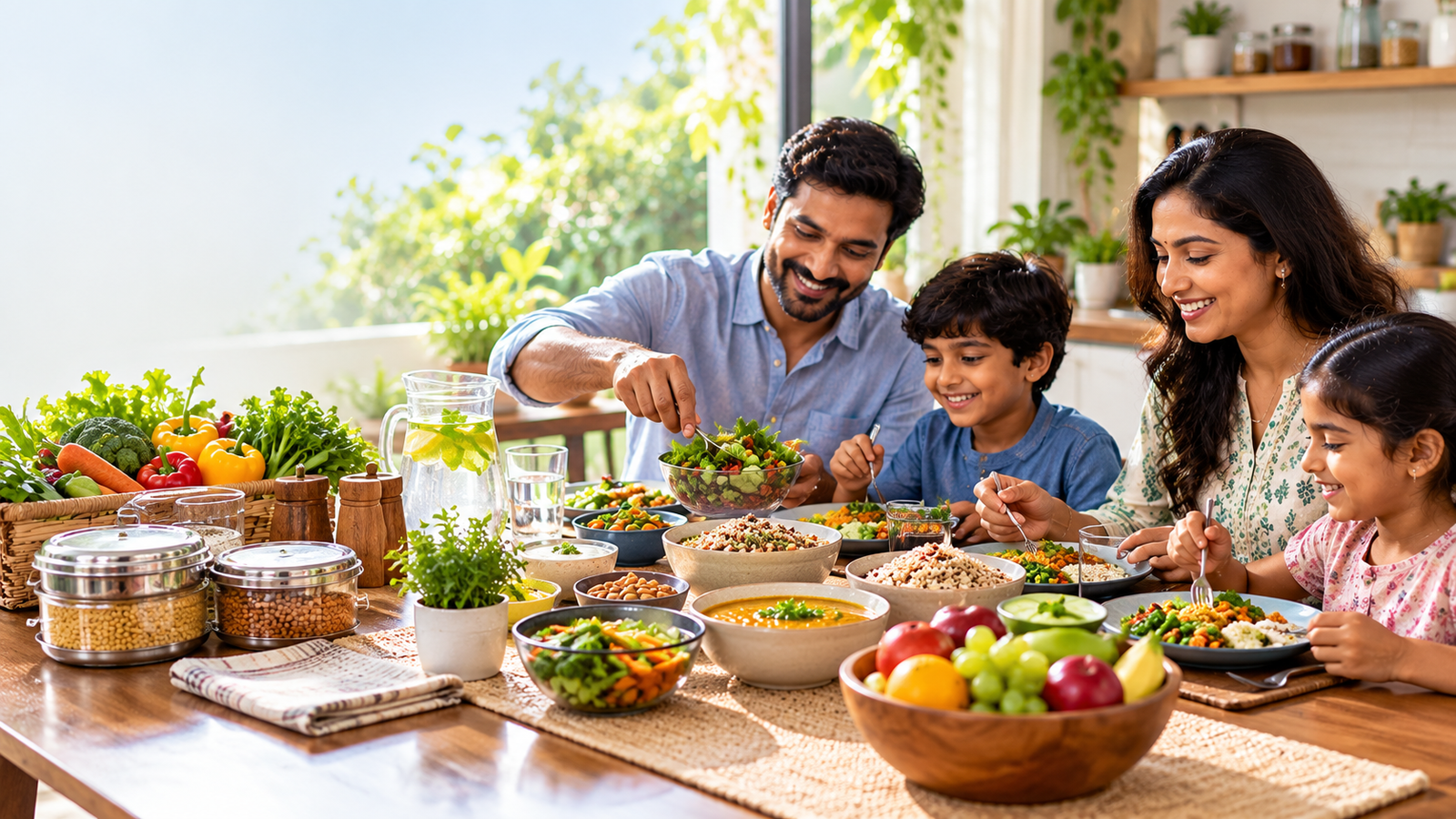
For Indian meals, options such as dal, vegetables, roti, rice, curd, beans, and seasonal fruit can contribute to a varied diet.
3. Why Good Nutrition Is Important
Good nutrition supports normal growth, immunity, muscle function, and overall health. Healthy eating habits can also help reduce the risk of some diet-related health conditions over time.
World Health Organization
Important benefits of balanced nutrition include:
- Supporting normal growth and development.
- Providing energy for everyday activities.
- Helping maintain healthy bones and muscles.
- Supporting the body’s normal immune functions.
- Promoting digestive health through adequate fibre.
- Contributing to long-term wellbeing.
Nutritional needs vary with age, activity, health conditions, and other individual factors. A balanced approach is more useful than following restrictive diets or expecting one particular food to solve every health problem.
4. Simple Healthy Eating Habits for Busy People
Busy schedules can make it difficult to prepare nutritious meals every day. However, small and realistic changes can help improve everyday eating habits.
Try these practical ideas:
- Eat regular, balanced meals that suit your needs.
- Add vegetables to lunch and dinner.
- Keep fruit, nuts, or other suitable snacks available.
- Drink water regularly throughout the day.
- Choose high-fibre foods more often.
- Limit frequent consumption of foods high in salt, added sugar, and unhealthy fats.
- Plan meals ahead to make shopping and cooking easier.
You do not need expensive ingredients or complicated recipes to eat well. Everyday foods that are locally available can form part of a nutritious diet.
5. Food Safety Is Just as Important as Nutrition
Even nutritious food can cause illness if it is contaminated or handled incorrectly. Safe preparation, storage, and cooking practices are essential for protecting health.
Follow these food safety habits:
- Wash hands before preparing or eating food.
- Clean fruits and vegetables thoroughly.
- Keep raw and cooked foods separate.
- Cook foods properly.
- Refrigerate perishable foods promptly.
- Use safe drinking water.
- Avoid consuming food that appears spoiled or has been stored unsafely.
Good food safety practices help reduce the risk of foodborne illnesses and make healthy eating safer for the whole family.
6. Reduce Food Waste at Home
Food waste is an important environmental and social concern. Food that is thrown away also wastes the resources used to produce, transport, and prepare it.
Families can reduce waste through simple actions:
- Prepare a shopping list before buying groceries.
- Purchase quantities that can realistically be used.
- Store food according to its requirements.
- Use suitable leftovers safely.
- Check food supplies before shopping again.
- Understand food labels and storage instructions.
Reducing waste can also help households manage food budgets more effectively. Food safety should always come first when deciding whether leftovers are suitable to eat.
7. How Innovation Can Improve the Future of Food
The 2026 World Food Day theme highlights the role of innovation in building better food systems. Technology, scientific research, and traditional agricultural knowledge can all contribute to producing, storing, and distributing food more effectively.
Examples include improved irrigation methods, digital farming tools, better food storage systems, weather information for farmers, and approaches that reduce losses during transportation.
These solutions can support farmers, strengthen food supply chains, and help communities improve access to diverse and nutritious foods. However, innovation works best when it is accessible, practical, and adapted to local needs.
Conclusion: Make Healthy Food Choices Every Day
World Food Day on 16 October 2026 is an opportunity to reflect on the connection between food, health, communities, and the environment.
Eating a variety of nutritious foods, practising safe food handling, planning meals, and reducing food waste are practical steps everyone can consider. Communities and organisations also have an important role in improving access to safe, affordable, and nutritious food.
Remember: Healthy eating is not about perfection. It is about building realistic habits that support your wellbeing over time.
Medical disclaimer: This article is for general educational purposes and is not a substitute for personalised medical or nutritional advice.
Follow Us On Instagaram