


 By
Many people remove fruit and vegetable peels before eating or cooking. However, some of these commonly discarded parts contain dietary fibre and other useful plant compounds. Recent health coverage has highlighted research into the nutritional value of discarded fruit and vegetable parts, bringing attention to an interesting topic: how everyday food choices can support better nutrition while reducing food waste.
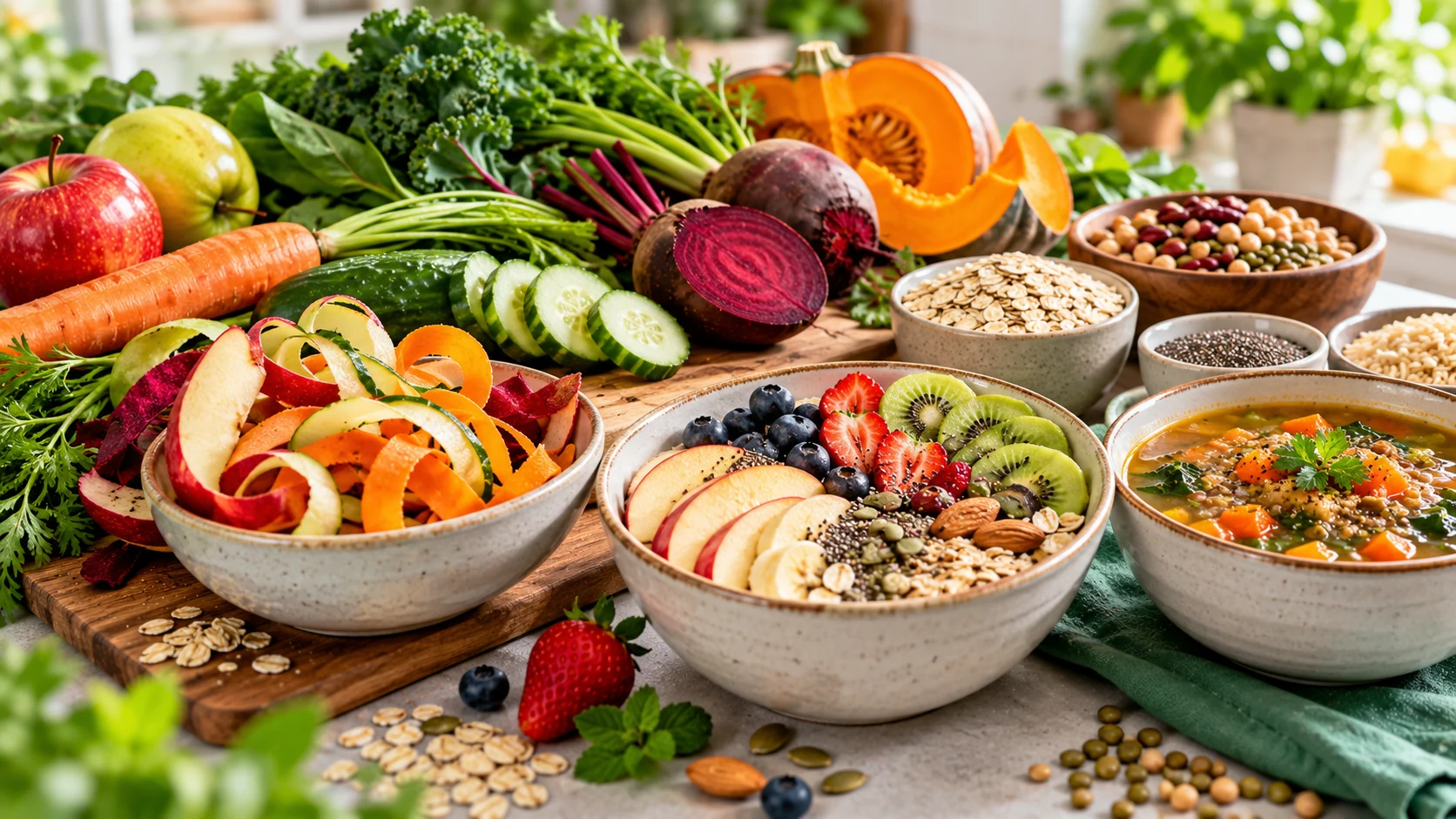
From apple skins and carrot peels to vegetable stalks and fruit pulp, some edible parts that often end up in the bin can be used creatively in everyday meals. But which parts are safe to eat, and how can they be included in a balanced diet?
What Is Dietary Fibre?
Dietary fibre is a type of carbohydrate found naturally in plant foods. Unlike many other carbohydrates, it is not completely broken down during digestion.
Fibre is commonly divided into two main types:
- Soluble fibre: Dissolves in water and forms a gel-like substance. It is found in foods such as oats, apples, beans and citrus fruits.
- Insoluble fibre: Helps add bulk to stool and supports regular bowel movements. It is found in whole grains, vegetables, nuts and many fruit skins.
Eating a variety of fibre-containing foods is an important part of a balanced diet.
Why Are Fruit and Vegetable Peels Important?
The outer layers of some fruits and vegetables contain fibre and naturally occurring plant compounds. Removing every peel may mean missing out on some of these nutrients.
Here are a few examples:
1. Apple Peels
Apple skins contain dietary fibre and plant compounds. When apples are thoroughly washed, the skin can be eaten along with the fruit or added to fruit salads and smoothies.
2. Carrot Peels
Carrots provide fibre and several nutrients. Their thin outer skin can be eaten after proper washing. Carrots can also be grated into salads, soups and vegetable dishes.
3. Cucumber Peels
Cucumber skin contributes fibre and gives the vegetable extra texture. Washed cucumber can be sliced with its skin for salads, sandwiches and raita.
4. Potato Skins
Potato skins contain fibre and can be included in suitable cooked dishes. Scrub potatoes thoroughly before cooking and remove damaged or green portions.
5. Citrus Peels
The colourful outer zest of oranges and lemons can add flavour to food. Small amounts of washed zest can be used in baking, salads and homemade dressings. Avoid eating large amounts of bitter white pith if it does not suit the recipe.
Five Easy Ways to Use Edible Food Peels
You do not need complicated recipes to make better use of suitable fruit and vegetable parts.
1. Add fruit skins to smoothies
Washed apple or pear pieces can be blended with yoghurt or a suitable plant-based alternative, along with other fruits.
2. Prepare vegetable soups
Carrot ends, pumpkin flesh and suitable vegetable trimmings can be used in soups. Use only fresh, clean and edible parts.
3. Make homemade vegetable stock
Clean vegetable trimmings such as onion ends, carrot pieces and herb stems can add flavour to homemade stock. Strain the mixture before using it.
4. Add vegetables to breakfast
Grated carrots, chopped cucumber and other vegetables can be included in sandwiches, savoury oats and breakfast dishes.
5. Use fruit zest for flavour
A little lemon or orange zest can add a fresh flavour to salads, desserts and homemade dressings.
How Fibre Supports Digestive Health
Fibre plays an important role in digestive health. Insoluble fibre helps add bulk to stool, while some soluble fibres support beneficial gut bacteria.
A varied diet containing vegetables, fruits, pulses, whole grains, nuts and seeds can help provide different types of fibre.
Fibre intake should increase gradually if someone is not used to eating many fibre-rich foods. Drinking enough water is also important. Anyone with a digestive condition or specific dietary restrictions should seek personalised advice from a qualified healthcare professional.
Important Food Safety Tips
Not every peel, seed, stem or discarded food part is suitable for eating. Some are naturally inedible, while others may be contaminated or spoiled.
Keep these precautions in mind:
- Wash fruits and vegetables thoroughly under clean running water before preparing them.
- Remove damaged, rotten or mouldy portions.
- Do not eat peels or seeds unless they are known to be edible.
- Follow safe food-storage and preparation practices.
- Be careful with packaged produce and follow its handling instructions.
Never assume that every discarded kitchen part is safe simply because it comes from a fruit or vegetable.
Fibre-Rich Foods to Include in Everyday Meals
A balanced eating pattern can include several affordable and familiar foods:
- Breakfast: Oats, fruit and whole-grain porridge.
- Lunch: Brown rice or whole-wheat roti with dal and vegetables.
- Snacks: Fresh fruit, nuts or roasted chickpeas.
- Dinner: Vegetable khichdi, lentil soup or whole-grain dishes.
These foods provide a variety of nutrients and can make everyday meals more interesting.
Reducing Food Waste Through Smarter Cooking
Making use of suitable edible peels and vegetable parts can also reduce household food waste. Planning meals, storing produce correctly and using fresh ingredients before they spoil are simple ways to avoid unnecessary waste.
Families can also explore recipes that use commonly discarded but edible ingredients. This approach encourages creativity in the kitchen while making better use of the food already purchased.
Conclusion
Fruit and vegetable peels are often overlooked, but some edible varieties contain valuable dietary fibre and plant compounds. Including suitable, thoroughly washed peels in everyday recipes can add variety to meals and help reduce food waste.
The important thing is to choose safe ingredients, prepare them correctly and maintain a balanced diet with a variety of fruits, vegetables, pulses and whole grains.
Do you usually eat fruits with their peels or remove them before eating? Share your thoughts in the comments!
Disclaimer: This article is for general health education and is not a substitute for personalised medical or nutritional advice.
Follow Us On Instagaram