

 By
The Future of Computers in 2026: How AI-Powered PCs and Next-Generation Technology Are Changing the World
The computer industry is experiencing a major transformation in 2026. Artificial intelligence, advanced processors, faster memory, and innovative laptop designs are changing how people work, study, communicate, and enjoy digital entertainment.
Computers are no longer simply devices used for browsing websites, creating documents, or playing games. They are becoming intelligent machines capable of assisting users with complex tasks, improving productivity, and handling demanding applications.
From AI-powered personal computers to powerful data-center systems, the latest developments are creating exciting opportunities for technology enthusiasts and businesses. Let’s explore the biggest computer technology trends shaping the industry in November 2026.
1. AI-Powered Computers Are Changing Everyday Computing
Artificial intelligence is one of the biggest developments in modern computer technology.
In 2026, manufacturers are increasingly introducing AI-powered computers designed to perform intelligent tasks directly on the device. These computers use specialized processors, including Neural Processing Units (NPUs), to handle certain AI workloads more efficiently.
AI-powered PCs can support features such as intelligent writing assistance, image editing, voice recognition, background noise removal, and automated productivity tasks.
One important advantage of on-device AI is that some tasks can be processed locally instead of sending all information to cloud servers. This can improve response times and offer additional privacy benefits.
As AI technology continues to develop, these computers could become valuable tools for students, office employees, developers, designers, and business professionals.
2. Next-Generation Processors Are Delivering Better Performance
Processors are the heart of every computer. They determine how efficiently a system handles applications, multitasking, calculations, and demanding workloads.
Technology companies are developing advanced processors with improved computing performance, power efficiency, and AI acceleration capabilities.
Modern CPUs and GPUs are designed to handle everything from everyday office applications to professional video editing, 3D rendering, software development, and artificial intelligence.
Companies such as Intel, AMD, Apple, and NVIDIA continue to compete in the processor and computing hardware market.
These developments are particularly important for people who need powerful computers for professional applications, gaming, and creative projects.
3. Touchscreen Laptops Are Bringing a New Computing Experience
Laptop technology is also experiencing an interesting change.
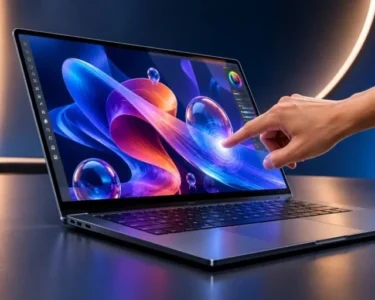
One major recent development is Apple’s introduction of its first touchscreen MacBook Pro models in October 2026. The new laptops combine touchscreen interaction with advanced OLED display technology and powerful processors.
The touchscreen allows users to interact directly with applications, zoom into images, navigate content, and work with supported creative tools.
The development is significant because traditional laptops have primarily depended on keyboards and trackpads.
Touchscreen functionality could make computers more flexible for designers, content creators, students, and professionals who prefer multiple ways of interacting with their devices.
Apple’s touchscreen MacBook Pro models are scheduled to become available in India from November 9, 2026. Reuters+2
4. Gaming Computers Are Becoming More Powerful
Gaming computers continue to attract attention because modern games require increasingly powerful hardware.
Advanced graphics cards, high-refresh-rate monitors, faster SSD storage, and improved cooling systems are helping manufacturers develop better gaming machines.
Graphics Processing Units (GPUs) are especially important because they handle complex visual calculations and deliver realistic gaming environments.
The same GPUs are also used in AI development, scientific research, video production, and other professional applications.
As graphics technology improves, users can expect more detailed environments, smoother gameplay, and better performance in demanding applications.
5. AI Data Centers Are Increasing Demand for Powerful Computers
Another important computer industry trend is the rapid expansion of AI data centers.
Businesses are investing in powerful servers equipped with specialized processors to train AI models, process large datasets, and operate intelligent applications.
Recent financial results highlight this growing demand. AMD reported third-quarter 2026 data-center revenue of $8.5 billion, representing 97% year-over-year growth. November 04, 2026
Data centers also require advanced networking equipment, cooling technologies, memory, and reliable power infrastructure.
This growing demand is creating opportunities for hardware manufacturers, cloud service providers, and technology companies.
6. What Should Consumers Consider Before Buying a New Computer?
With so many technological developments, choosing the right computer has become increasingly important.
Before purchasing a new laptop or desktop, buyers should consider their actual requirements.
For everyday browsing, online classes, and office work, a mid-range computer may be sufficient. Developers, designers, gamers, and video editors may benefit from more powerful processors, additional RAM, and dedicated graphics cards.
Battery life, storage capacity, display quality, upgrade options, and software compatibility should also be considered.
Buyers should not purchase an expensive AI computer simply because it includes the latest technology. Instead, they should understand whether its features provide practical benefits for their daily activities.