

 By
The Rise of AI-Powered Computers in 2026: A New Era of Intelligent Computing
The computer industry is experiencing an exciting transformation in 2026. Artificial intelligence is becoming an important part of modern computers, changing how people work, study, create content, and interact with technology. Traditional computers mainly depend on processors, memory, and software to perform tasks. However, the latest generation of AI-powered computers is designed to deliver smarter and more personalized experiences.
From AI-enabled laptops to powerful desktop workstations, computer manufacturers are introducing technologies that can handle intelligent tasks more efficiently. AI PCs are becoming one of the major trends shaping the future of personal computing.
1. What Are AI-Powered Computers?
AI-powered computers are devices designed with specialized hardware and software to support artificial intelligence applications.
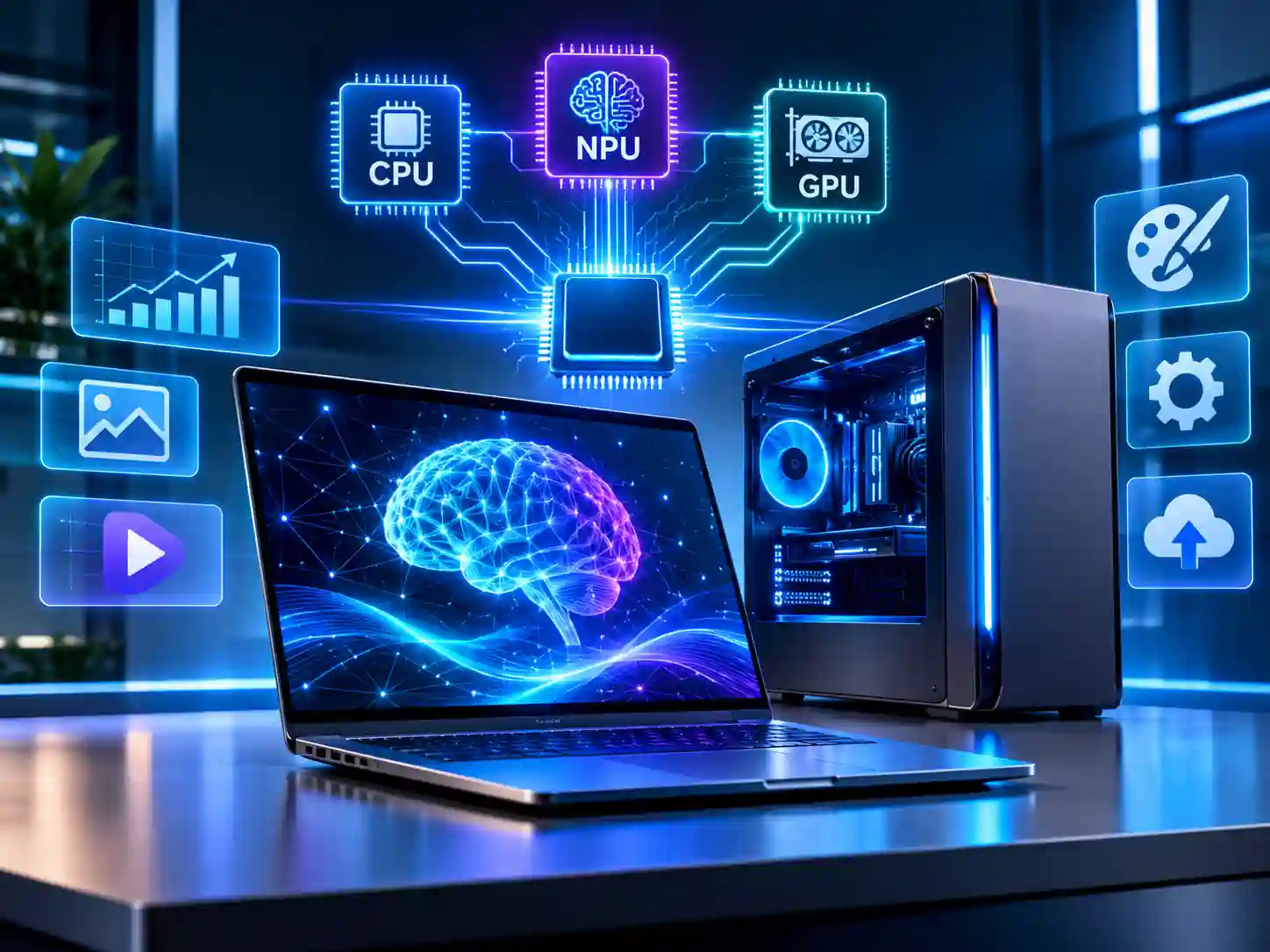
Many modern AI PCs include a Neural Processing Unit (NPU), which is designed to handle certain AI workloads efficiently. Along with the CPU and GPU, the NPU helps computers perform tasks such as image processing, voice recognition, background noise reduction, and AI-assisted productivity.
Unlike traditional computing systems that rely heavily on cloud services for AI processing, some AI PCs can perform supported tasks directly on the device.
This can improve response times and reduce the need to send certain personal information to external servers.
2. Smarter Processors Are Changing Computer Performance
Processors play an important role in determining how efficiently a computer operates.
In 2026, manufacturers are focusing on advanced processor architectures that combine computing performance, energy efficiency, and AI acceleration.
Companies such as Intel, AMD, Qualcomm, and NVIDIA are contributing to this changing computing landscape.
Modern processors are designed to support demanding applications, multitasking, content creation, and AI-powered software.
For users, this means computers can become more capable of handling multiple activities without compromising everyday performance.
3. AI Agents Could Transform How We Use Computers
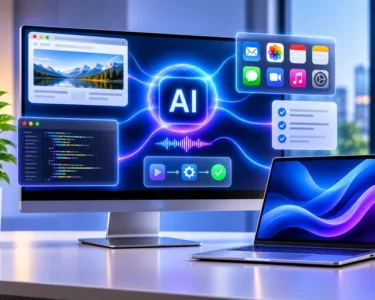
One of the interesting developments in computing is the growing use of AI agents.
Traditional computer software usually requires users to open applications and complete individual steps manually. AI agents aim to make this process easier by understanding instructions and helping complete sequences of tasks.
For example, a user could ask an AI assistant to organize files, summarize documents, prepare a presentation outline, or research information from different sources.
New AI hardware platforms and software ecosystems are increasingly exploring these agent-based experiences. NVIDIA and Microsoft have also highlighted the development of Windows PCs designed for personal AI agents. NVIDIA Newsroom+1
4. Faster Performance for Gaming and Content Creation
AI technology is also influencing computer gaming and creative applications.
Modern graphics processing units (GPUs) provide powerful computing capabilities for gaming, video editing, animation, and 3D design.
AI-assisted features can help improve image quality, generate creative content, enhance video editing workflows, and accelerate certain rendering tasks.
For gamers, advanced graphics technologies can deliver more detailed visuals and smoother experiences.
For designers and content creators, AI-powered tools can reduce repetitive work and help speed up production.
5. Better Battery Life and Energy Efficiency
Performance is important, but battery life is equally important for laptop users.
Manufacturers are working to develop processors that balance computing power with energy efficiency.
Specialized AI processing can help certain workloads run without requiring the main processor or graphics hardware to handle every operation.
This can help improve power efficiency, depending on the application and device design.
For students, business professionals, and people who travel frequently, efficient laptops can make everyday computing more convenient.
6. Security and Privacy in the AI PC Era
As computers become smarter, security and privacy are becoming increasingly important.
AI-powered security tools can help identify unusual activity, detect suspicious files, and support threat monitoring.
On-device AI processing can also help keep some information on the computer rather than sending it to cloud services.
However, AI does not automatically make a computer secure. Users still need updated operating systems, reliable security software, strong passwords, and regular backups.
Manufacturers must also ensure that AI features follow appropriate privacy and security practices.
7. What Does the Future Hold for Computers?
The future of computers will likely involve a combination of AI technology, powerful processors, advanced graphics, faster memory, and intelligent software.
AI PCs could become useful tools for students, developers, business professionals, researchers, and creative workers.
However, affordability remains an important consideration. Not every user needs an expensive AI-powered laptop, and traditional computers will continue to serve many everyday requirements.
The growing adoption of AI technology is also increasing demand for advanced semiconductors and computing infrastructure. Industry research identifies AI hardware and semiconductor innovation as important forces shaping the technology market in 2026.