

 By
NVIDIA RTX Spark AI PCs: The Next Generation of Powerful Desktop Computers
The computer industry is experiencing a major transformation as artificial intelligence becomes an essential part of modern computing. NVIDIA RTX Spark AI PCs are attracting attention in November 2026, bringing powerful AI processing capabilities to compact desktop computers. Manufacturers such as ASUS, Dell and MSI have introduced systems based on this platform, offering new possibilities for developers, professionals and content creators.
These next-generation computers are designed to support demanding applications, intelligent automation, advanced graphics and local artificial intelligence processing.
What Are NVIDIA RTX Spark AI PCs?
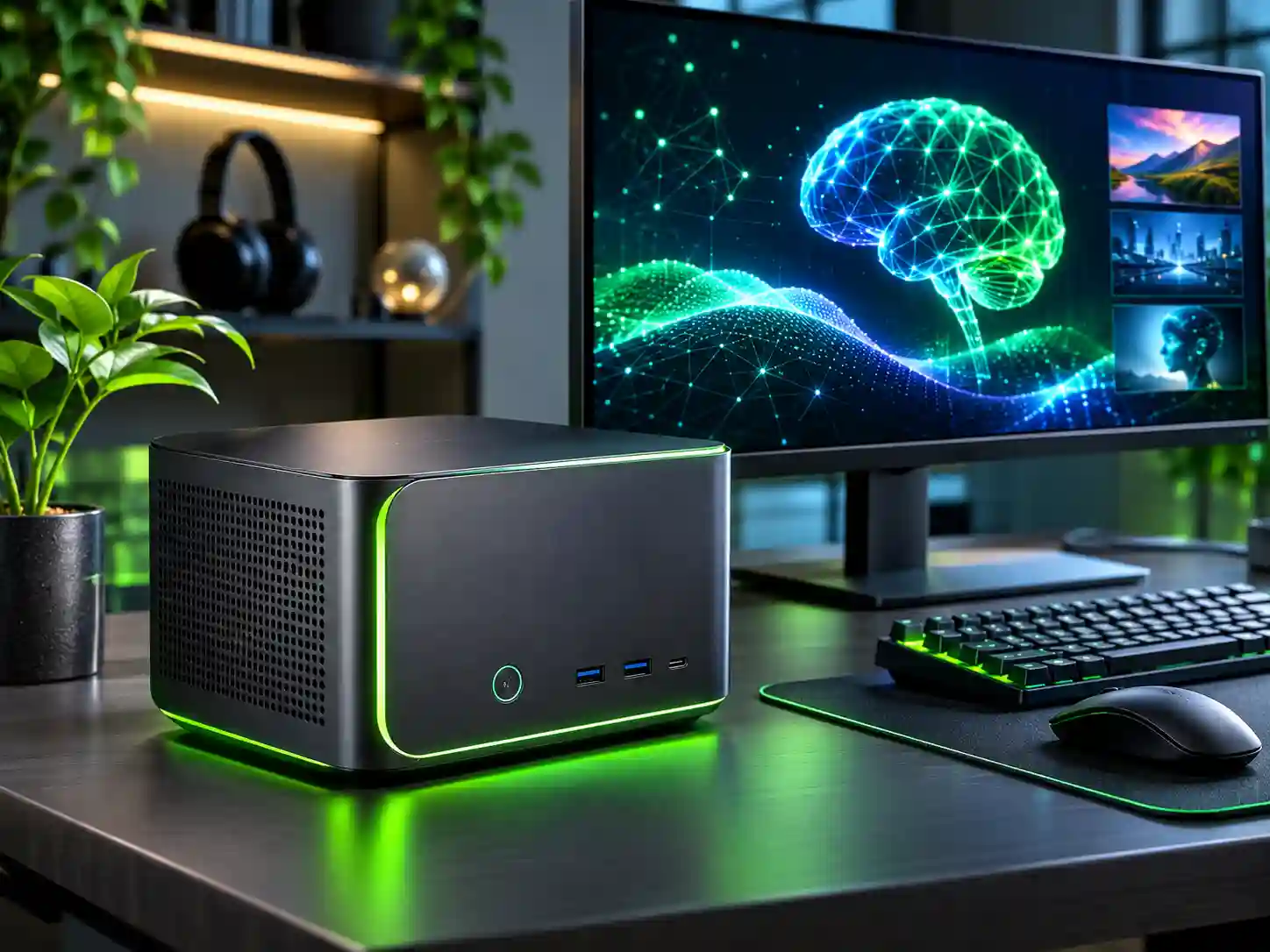
NVIDIA RTX Spark AI PCs are advanced personal computers designed to handle artificial intelligence workloads alongside traditional computing tasks. Unlike conventional computers that frequently depend on cloud-based AI services, these systems can run supported AI applications directly on the device.
The platform combines an NVIDIA Grace CPU with a Blackwell RTX graphics processor, delivering substantial computing power for professional applications.
This combination represents an important development in personal computing, particularly for users who require advanced processing capabilities without relying entirely on remote servers.
Powerful Performance and Advanced Hardware
One of the biggest highlights of the NVIDIA RTX Spark platform is its hardware architecture. Supported configurations feature a 20-core CPU, 6,144 CUDA cores and up to 128GB of unified memory.
NVIDIA advertises up to one petaflop of AI computing performance under specified conditions. This capability is particularly useful for demanding artificial intelligence workloads, although actual performance depends on the application and configuration.
Unified memory allows compatible processors to access a shared memory pool, helping support applications involving large datasets, complex graphics and artificial intelligence models.
These features make the platform suitable for professional video editing, software development, AI experimentation and advanced digital content production.
Local AI Processing Changes Personal Computing
Local artificial intelligence processing is one of the most significant advantages of these new computers. Users can run compatible AI models directly on their systems instead of sending every request to an external cloud platform.
This approach can improve responsiveness, reduce dependence on internet connectivity and provide greater control over sensitive information.
Businesses can potentially benefit from local document analysis, intelligent workflow automation and internal research tools. Developers can also experiment with AI models without requiring continuous access to expensive cloud computing resources.
However, privacy and security still depend on individual applications, software permissions and system configuration.
A New Opportunity for Content Creators
Content creators are among the potential beneficiaries of NVIDIA RTX Spark AI PCs. Modern creative applications increasingly use artificial intelligence to simplify demanding production tasks.
Video editors can use compatible AI-assisted tools for scene detection, audio enhancement and object identification. Graphic designers can explore local image-generation applications, while animation professionals can benefit from hardware-accelerated rendering.
These capabilities could help creative teams reduce repetitive tasks and dedicate more time to developing high-quality content.
The compact desktop design also makes these systems attractive for professional studios and home offices where workspace is limited.
Benefits for Developers and Businesses
Software developers can use these computers to explore machine learning, test AI-powered applications and build intelligent digital solutions.
Businesses may benefit from AI-assisted productivity tools, automated reporting, document processing and data analysis. Dedicated desktop computers can also handle scheduled workloads while employees use their laptops for other activities.
Although these systems require a substantial initial investment, organizations with frequent AI workloads may find local processing useful for managing recurring cloud expenses.
The financial benefits will depend on electricity consumption, software requirements, hardware costs and workload frequency.
Are AI PCs Suitable for Everyone?
Despite their impressive capabilities, NVIDIA RTX Spark AI PCs may not be necessary for every computer user. People who primarily browse websites, attend online classes, watch videos or use basic office applications can still rely on conventional computers.
Premium AI desktops can be expensive, and compatibility with existing Windows applications should be checked before purchasing.
Users should evaluate their performance requirements, budget, storage needs and preferred software to determine whether an advanced AI computer offers meaningful advantages.
The Future of AI-Powered Computers
The expansion of AI-powered desktop computers reflects a broader shift towards intelligent personal computing. Future systems are likely to offer improved energy efficiency, more capable AI assistants and better integration with everyday applications.
Competition between major processor manufacturers could also encourage more affordable AI-ready computers in the coming years.
As software compatibility improves, artificial intelligence may become an increasingly common feature in personal and professional computing environments.