

 By
Apple Faces Growing Pressure Over iPhone Browser Rules as Google Backs Mozilla
Apple is once again attracting attention in the technology industry, but this time the discussion is not about a new iPhone or MacBook launch. Instead, the company is facing growing pressure over its browser restrictions on iPhones and iPads. The issue has become more significant after Google’s Chrome team publicly supported Mozilla in its criticism of Apple’s browser policies.
The latest development has created fresh discussions about competition, internet freedom, software choices, and how much control technology companies should have over their devices.
Google Supports Mozilla in Its Challenge Against Apple
On November 24, 2026, Google’s Chrome for Developers team publicly supported Mozilla’s concerns about Apple’s browser restrictions. Mozilla has argued that Apple’s conditions make it difficult for alternative browser companies to offer their own browser technologies on iPhones.
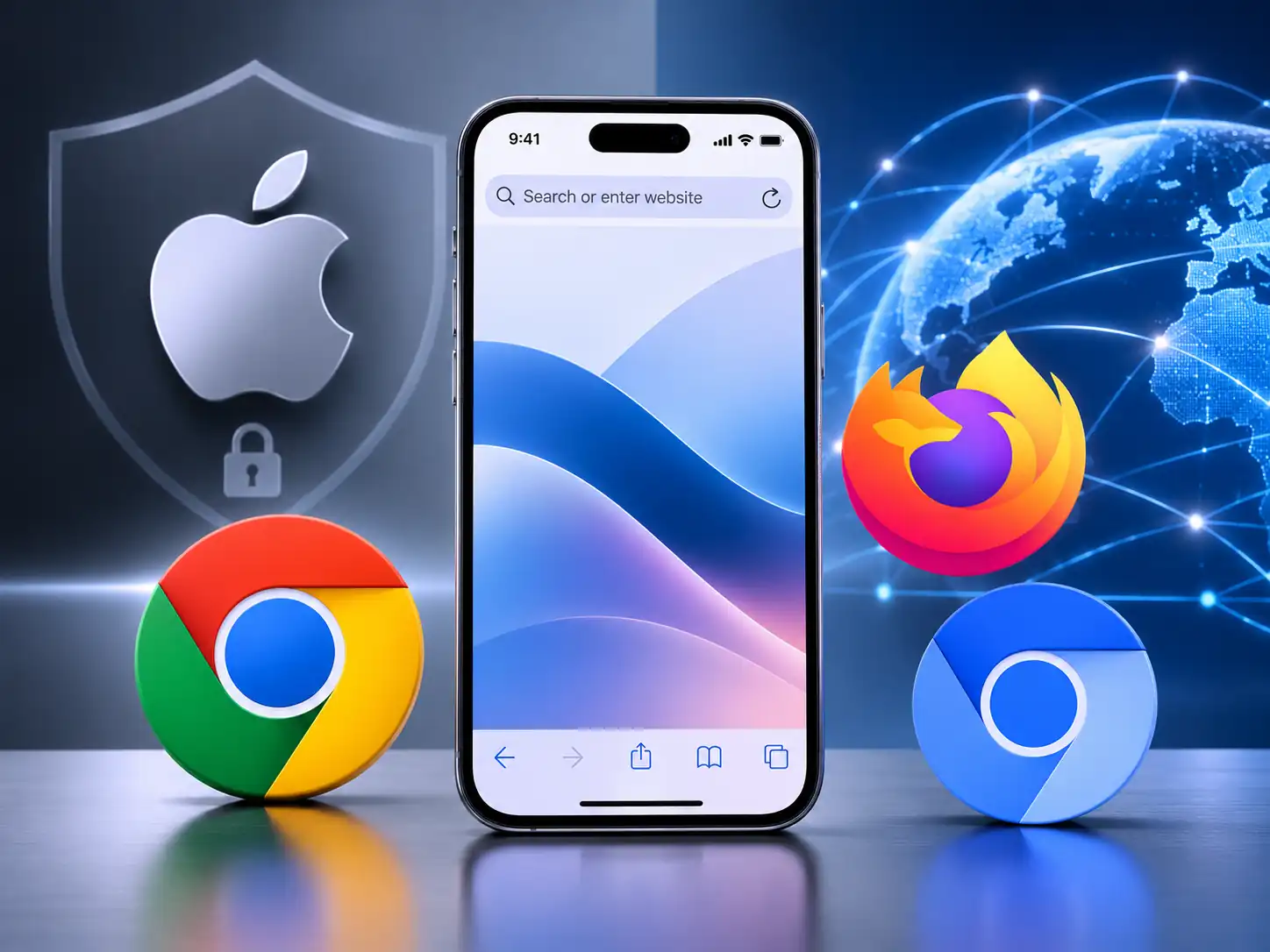
According to recent reports, Google believes that Apple’s restrictions create unnecessary difficulties for competing browser developers. Although users can download browsers such as Google Chrome and Mozilla Firefox, these browsers have traditionally been required to use Apple’s WebKit browser engine on iOS.
This means that even when users choose a different browser application, the underlying technology remains closely connected to Apple’s ecosystem.
Google’s support has brought additional attention to Mozilla’s ongoing campaign for more browser competition on Apple devices. The Times of India
Why Apple’s Browser Restrictions Matter
A web browser is one of the most frequently used applications on any smartphone. People depend on browsers for online shopping, banking, education, entertainment, business activities, and accessing information.
Popular browsers such as Safari, Chrome, and Firefox offer different features, privacy settings, interfaces, and performance experiences. However, browser engines play an important role in determining how websites are processed and displayed.
Apple requires browsers running on iPhones and iPads to use WebKit, the technology behind Safari. On other platforms, including Windows, Android, and macOS, competing browsers can use their own engines.
Mozilla wants to bring its Gecko engine to iPhone users, while Google’s browser technology is known as Blink. Allowing alternative engines could give developers more flexibility to introduce different technologies and browser experiences.
For consumers, increased competition could encourage innovation and provide more meaningful choices.
European Union Rules and the Digital Markets Act
The European Union has played an important role in this discussion through its Digital Markets Act (DMA). The legislation aims to create fairer competition in digital markets and reduce the influence of powerful technology companies.
Under these rules, Apple began allowing alternative browser engines in the European Union in early 2024. Similar requirements have also emerged in Japan.
However, Mozilla argues that Apple’s conditions still make it difficult to introduce a separate browser application using Gecko. Developers may need to distribute another app, requiring existing users to download it again and manually transfer information such as bookmarks, passwords, and browsing history.
This additional process could discourage users from switching, even when they are interested in trying a different browser.
The European Commission is now discussing the matter with Apple and consulting browser developers about the remaining restrictions. The Times of India
Apple’s Position: Security and Privacy Come First
Apple has defended its browser engine requirements by highlighting user safety and security. The company believes that maintaining strict technical standards helps protect people from online threats and provides a more consistent experience across its devices.
Security has always been an important part of Apple’s product strategy. Its operating systems include privacy controls, application permissions, security updates, and protections designed to safeguard personal information.
However, competitors believe that security and competition should not necessarily be opposing goals. They argue that alternative browser engines could operate safely while still giving developers more independence.
Finding the right balance between protecting users and encouraging innovation will be an important challenge for Apple.
What This Means for iPhone Users
For everyday iPhone users, this debate could eventually influence how they browse the internet.
If alternative browser engines become easier to introduce, consumers could see more browser options, new features, different performance improvements, and additional privacy technologies.
Developers may also gain greater freedom to experiment with web applications and introduce innovative services.
However, these changes will not automatically make every browser faster or more secure. The actual experience will depend on how developers build, maintain, and update their applications.
For users in India and other markets outside the European Union, the immediate impact may remain limited because regional regulations and Apple’s software policies differ.
Nevertheless, developments in Europe could influence future discussions about browser competition and smartphone software worldwide.
The Future of Apple’s Software Ecosystem
Apple’s browser restrictions highlight a larger question facing the electronics industry: how should technology companies balance their closed ecosystems with consumer freedom?
Apple has built a successful business around the integration of hardware, software, services, and security. Its controlled ecosystem provides a consistent experience across iPhones, iPads, and Macs.
At the same time, increasing competition and changing regulations are encouraging technology companies to provide greater flexibility.
The outcome of Apple’s discussions with regulators and browser developers could influence the future of mobile browsing.