


 By
By Apple Smart Home 2026: How AI-Powered Technology Could Transform Everyday Living
Apple is preparing to expand its presence in smart-home technology, and October could become an important month for the company’s connected-device ecosystem. Following its latest iPhone announcements, Apple has announced a product launch scheduled for October 13, 2026, using the phrase “Welcome Home.” Technology enthusiasts are now watching closely for developments involving smart displays, home entertainment, and artificial intelligence.
According to recent reports, Apple is expected to introduce a new smart-home hub alongside refreshed versions of the HomePod mini and Apple TV 4K. While these specific product details have not all been officially confirmed, the expected launch suggests that Apple wants to make connected homes more intelligent and convenient.
1. Apple’s Expected Smart-Home Hub
One of the most anticipated products is Apple’s rumored smart-home hub. Reports describe a device combining elements of a tablet and a smart speaker, designed to provide a central control point for a connected home.
The device is expected to feature a compact display that could show calendars, weather updates, reminders, photos, and smart-home controls. Users may also be able to make video calls, watch videos, and interact with Siri using voice commands.
A dedicated home hub could make everyday activities simpler. Instead of opening a smartphone app to adjust lighting or check connected devices, users could manage compatible accessories from a screen placed in a kitchen, living room, or bedroom.
However, the final name, specifications, pricing, and availability should be confirmed through Apple’s official announcement.
2. Siri AI Could Become More Important
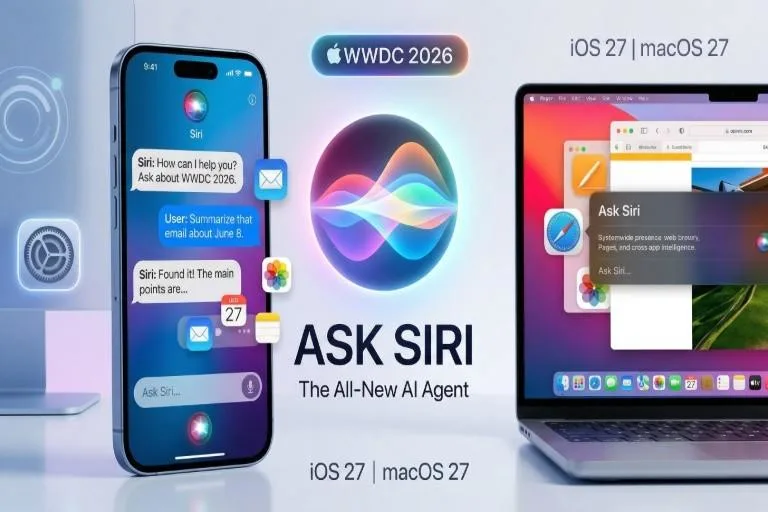
Artificial intelligence is becoming a major focus across consumer electronics, and Siri could play a central role in Apple’s smart-home strategy.
A more capable voice assistant could help users control multiple devices, retrieve useful information, manage reminders, and perform everyday tasks through natural conversation. For example, a user might want to dim the lights, check the next calendar appointment, and play music without switching between applications.
The success of this approach will depend on how reliably Siri understands requests and how well it works with different devices and family members.
AI-powered home technology must also respect privacy. Smart displays and voice assistants can interact with personal information, so clear privacy settings, secure accounts, and transparent permission controls will remain important considerations for households.
3. A Refreshed HomePod Mini
Apple’s HomePod mini is already designed to combine music playback, Siri access, and smart-home control in a compact speaker.
Reports suggest that an updated model could include a faster processor, improved wireless connectivity, and additional Siri AI capabilities. New color options may also be part of the refresh. These features remain expectations until Apple confirms the product specifications.
A more capable HomePod mini could appeal to people who want voice control and music in several rooms without installing large speakers.
Improved connectivity could also help compatible accessories communicate more effectively. Nevertheless, actual performance will depend on the final hardware, software, network conditions, and supported smart-home devices.
4. Apple TV 4K May Receive an Upgrade
Another product attracting attention is a possible refreshed Apple TV 4K.
Reports point to a newer processor, additional memory, improved wireless connectivity, and a more capable Siri experience. If introduced, these changes could help Apple strengthen the relationship between home entertainment and smart-home control.
Apple TV already provides access to streaming services, games, and other entertainment applications. A more powerful version could offer improved performance and better support for future software features.
For consumers, the most important questions will be whether the update improves everyday usability, supports existing accessories, and justifies the purchase price.
5. What This Means for Smart Homes
Apple’s expected product expansion reflects a broader electronics trend: connected devices are increasingly designed to work together rather than operate independently.
A smart-home hub, speaker, television device, smartphone, and compatible accessories could create a more unified experience. Users may be able to control lighting, entertainment, schedules, and other functions through a combination of voice commands and touchscreen controls.
However, compatibility remains essential. Before investing in a smart-home ecosystem, consumers should check which accessories are supported, whether devices require subscriptions, and how much control remains available if their internet connection fails.
Security also deserves attention. Strong passwords, software updates, and carefully configured access permissions can help protect connected devices.