


 By
By Can Healthy Habits Help Prevent Dementia? Here’s What the Latest WHO Guidelines Reveal
Dementia is becoming one of the fastest-growing health concerns worldwide, affecting millions of people and their families. While many people believe memory loss is simply a part of aging, experts say that isn’t always true. According to the latest guidelines from the World Health Organization (WHO), nearly 45% of dementia cases may be prevented or delayed by adopting healthier lifestyle habits. This important update offers hope that everyday choices can play a major role in protecting brain health.
In this article, we’ll explore what dementia is, why it happens, the latest WHO recommendations, and the lifestyle changes that can help reduce the risk of developing this condition.
What Is Dementia?
Dementia is not a single disease but a group of symptoms that affect memory, thinking, reasoning, language, and the ability to perform everyday activities. Alzheimer’s disease is the most common form of dementia, accounting for around 60–70% of all cases.
People with dementia may experience:
- Memory loss
- Difficulty concentrating
- Confusion about time and place
- Trouble communicating
- Changes in mood and behavior
- Difficulty completing daily tasks
Although dementia is more common in older adults, it is not a normal part of aging.
Why Is Dementia Becoming More Common?
As life expectancy continues to increase around the world, more people are living into older age. This has led to a rise in dementia cases globally.
According to the WHO, more than 57 million people currently live with dementia, and nearly 10 million new cases are diagnosed every year. The condition not only affects individuals but also places emotional, physical, and financial stress on families and healthcare systems.
The encouraging news is that many of the factors contributing to dementia can be improved through healthy lifestyle choices.
What Do the Latest WHO Guidelines Say?
The World Health Organization recently highlighted that up to 45% of dementia cases could potentially be prevented or delayed by reducing certain lifestyle-related risk factors.
Some of these modifiable risk factors include:
- High blood pressure
- Diabetes
- High cholesterol
- Smoking
- Physical inactivity
- Obesity
- Excessive alcohol consumption
- Poor diet
- Social isolation
- Air pollution
This means that taking care of your overall health today can also help protect your brain in the future.
The Connection Between Diabetes and Brain Health
People living with diabetes should pay special attention to these findings. High blood sugar levels over a long period can damage blood vessels throughout the body, including those that supply oxygen and nutrients to the brain.
Research shows that poorly controlled diabetes may increase the risk of cognitive decline and dementia. Maintaining healthy blood glucose levels can help support:
- Better memory
- Improved concentration
- Healthy blood circulation
- Reduced inflammation
- Long-term brain function
Managing diabetes isn’t just about preventing complications such as kidney disease or vision problems—it may also help preserve brain health as you age.
Lifestyle Changes That Can Reduce Dementia Risk
1. Stay Physically Active
Regular exercise improves blood flow to the brain and supports healthy brain cells. The WHO recommends at least 150 minutes of moderate physical activity each week.
Walking, cycling, swimming, yoga, and strength training are all excellent options.
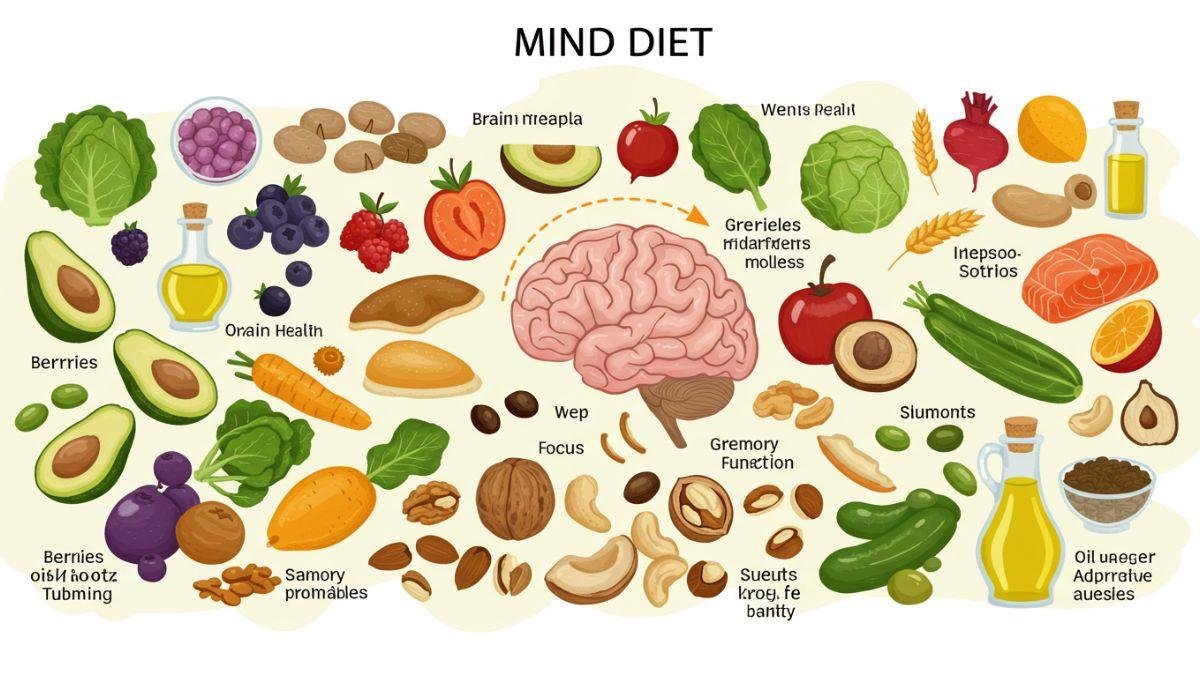
2. Eat a Brain-Healthy Diet
Nutrition plays an important role in protecting brain function. A balanced diet rich in vitamins, minerals, antioxidants, and healthy fats supports cognitive health.
Include foods such as:
- Green leafy vegetables
- Berries
- Whole grains
- Nuts and seeds
- Fish rich in omega-3 fatty acids
- Olive oil
- Eggs
- Beans and lentils
Limit processed foods, sugary drinks, excessive salt, and unhealthy fats.
3. Keep Blood Pressure, Cholesterol, and Diabetes Under Control
Regular health checkups help detect problems early. Following your doctor’s advice regarding medications, diet, and exercise can significantly reduce the risk of heart disease and dementia.
4. Challenge Your Brain
Learning new skills keeps the brain active.
Activities include:
- Reading books
- Solving puzzles
- Learning a new language
- Playing chess
- Practicing music
- Taking online courses
Mental stimulation strengthens connections between brain cells.
5. Stay Socially Connected
Spending time with family, friends, and your community supports emotional well-being and reduces feelings of loneliness, which has been linked to a higher risk of dementia.
Simple conversations, group activities, volunteering, or joining clubs can make a meaningful difference.
6. Prioritize Quality Sleep
Poor sleep can affect memory, concentration, and overall brain function. Adults should aim for 7–9 hours of quality sleep each night.
Maintaining a regular sleep schedule and reducing screen time before bed can improve sleep quality.
7. Avoid Smoking and Limit Alcohol
Smoking damages blood vessels and reduces oxygen supply to the brain. Excessive alcohol consumption also increases the risk of cognitive decline.
Quitting smoking and drinking alcohol only in moderation can help protect long-term brain health.
Early Warning Signs of Dementia
Early diagnosis allows people to receive appropriate medical care and support. Consult a healthcare professional if you notice:
- Frequent memory loss
- Difficulty finding words
- Repeating the same questions
- Confusion with familiar places
- Trouble managing finances
- Personality or mood changes
These symptoms should not be ignored, especially if they interfere with daily life.
Final Thoughts
The latest WHO guidance sends a positive message: while aging cannot be stopped, many lifestyle choices are within our control. Regular exercise, a nutritious diet, diabetes management, quality sleep, social engagement, and lifelong learning can all contribute to better brain health.
Protecting your brain starts long before old age. Every healthy choice you make today is an investment in your future. Whether it’s taking a daily walk, choosing healthier meals, managing your blood sugar, or spending more time with loved ones, these simple habits may help lower the risk of dementia and improve your overall quality of life.
Small changes made consistently can have a lasting impact—not only on your brain but on your heart, body, and overall well-being.
Follow Us On Instagram