


 By
By Critical Infrastructure Security in 2026: Protecting the Systems That Keep Society Running
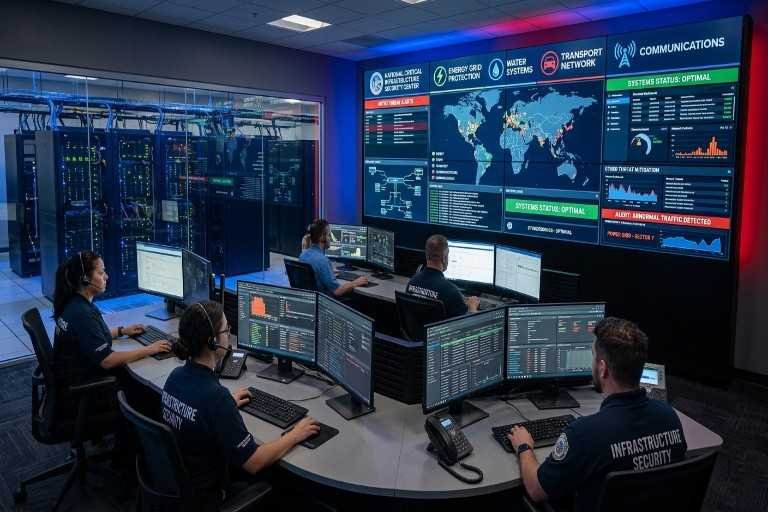
Critical infrastructure forms the backbone of modern society. Essential services such as electricity, water supply, transportation, healthcare, telecommunications, and energy systems support daily life and economic stability. As these sectors become increasingly connected through digital technologies and automation, they also become prime targets for cyberattacks and operational disruptions. In 2026, Critical Infrastructure Security has become a top priority for governments, businesses, and security professionals worldwide.
Critical Infrastructure Security focuses on protecting essential systems, networks, facilities, and operational technologies from cyber threats, physical attacks, natural disasters, and system failures. A successful attack on critical infrastructure can disrupt public services, impact national security, cause financial losses, and even endanger human lives. Therefore, ensuring the resilience and security of these systems is more important than ever.
Why Critical Infrastructure Security Matters
Modern infrastructure relies heavily on interconnected digital systems to manage operations efficiently. Power grids, water treatment facilities, railway systems, hospitals, and manufacturing plants use advanced technologies to automate processes and improve service delivery.
However, increased connectivity has expanded the attack surface available to cybercriminals. Threat actors often target critical infrastructure because disruptions can create widespread consequences beyond a single organization.
Potential impacts of infrastructure attacks include:
- Large-scale service outages.
- Financial and economic losses.
- Public safety risks.
- Operational downtime.
- Regulatory and compliance violations.
- Loss of public trust.
Protecting these essential services requires a comprehensive security strategy that combines technology, monitoring, and disaster preparedness.
SCADA System Security: Safeguarding Industrial Operations
Supervisory Control and Data Acquisition (SCADA) systems are widely used to monitor and control industrial operations in sectors such as energy, transportation, water management, and manufacturing.
SCADA systems collect real-time data from sensors and devices, allowing operators to manage critical processes remotely. While these systems improve efficiency and automation, they were often designed before modern cybersecurity threats became a major concern.
To strengthen SCADA security, organizations should:
- Implement Multi-Factor Authentication (MFA).
- Restrict remote access to authorized personnel.
- Apply security patches and firmware updates regularly.
- Monitor network activity continuously.
- Separate SCADA networks from corporate IT environments.
Protecting SCADA systems is essential because attackers who gain access may manipulate industrial processes, disrupt operations, or compromise public safety.
Industrial Control System (ICS) Protection
Industrial Control Systems (ICS) are responsible for controlling and automating industrial processes. These systems include Programmable Logic Controllers (PLCs), Distributed Control Systems (DCS), and Human-Machine Interfaces (HMIs).
As Industrial Internet of Things (IIoT) technologies continue to grow, ICS environments are becoming increasingly connected to enterprise networks and cloud platforms. While this connectivity improves operational efficiency, it also introduces new security risks.
Effective ICS protection strategies include:
- Network segmentation between IT and OT environments.
- Strong access controls and user authentication.
- Continuous threat monitoring.
- Vulnerability assessments and penetration testing.
- Security awareness training for operational staff.
Organizations that secure their ICS environments can significantly reduce the risk of cyberattacks and operational disruptions.
Backup and Disaster Recovery: Ensuring Business Continuity
Even with strong preventive security measures, organizations must prepare for unexpected incidents. Cyberattacks, equipment failures, natural disasters, and human errors can all impact critical infrastructure operations.
Backup and disaster recovery solutions help organizations restore services quickly and minimize downtime.
Key disaster recovery practices include:
- Maintaining automated and regular backups.
- Storing backups in secure and isolated environments.
- Testing recovery procedures frequently.
- Creating business continuity plans.
- Implementing ransomware-resistant backup solutions.
A well-designed disaster recovery strategy ensures that essential services can continue operating even after major disruptions.
Emerging Critical Infrastructure Security Trends in 2026
As cyber threats continue to evolve, critical infrastructure operators are adopting advanced technologies to improve resilience and security.
AI-Powered Threat Detection
Artificial intelligence helps identify unusual behavior patterns, detect threats faster, and automate incident response activities within operational environments.
Zero Trust Security
Zero Trust principles require continuous verification of users, devices, and systems before granting access to critical infrastructure resources.
OT and IT Security Integration
Organizations are increasingly integrating Operational Technology (OT) and Information Technology (IT) security programs to achieve better visibility and stronger protection.
Enhanced Regulatory Compliance
Governments worldwide are introducing stricter cybersecurity standards and reporting requirements to strengthen national infrastructure resilience.
Best Practices for Strengthening Critical Infrastructure Security
Organizations responsible for critical infrastructure should:
- Secure SCADA and ICS environments.
- Implement network segmentation.
- Enable strong authentication controls.
- Monitor systems continuously.
- Conduct regular security assessments.
- Develop comprehensive disaster recovery plans.
- Train employees on cybersecurity awareness.
- Maintain updated incident response procedures.
These practices help reduce vulnerabilities and improve resilience against both cyber and physical threats.