 By
By Googlebook Arrives: A New Chapter for AI-Powered Computers
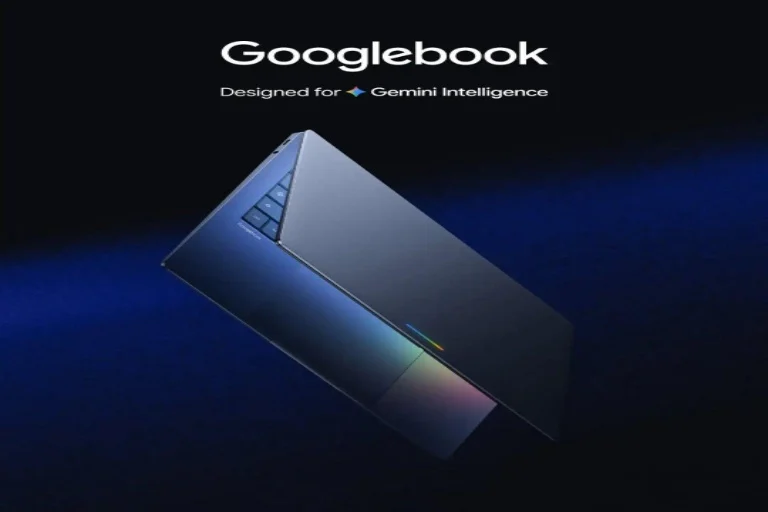
The computer industry is entering another major phase of transformation, and September 21, 2026 brought an important development: Google opened pre-orders for its new Googlebook laptop platform. Starting at $899, Googlebook is designed to combine the traditional laptop experience with Google’s Gemini artificial intelligence and closer integration with Android smartphones.
Unlike conventional Chromebook products, Googlebook is positioned as a more premium computing experience. The first generation includes laptops from major manufacturers including Acer, ASUS, Dell, HP and Lenovo, giving consumers several hardware choices while keeping Google’s AI software experience at the center.
Gemini AI Becomes Central to the PC Experience
One of the biggest trends in computers in 2026 is the move from computers that simply run applications to computers that can actively assist users. Googlebook follows this direction by integrating Gemini AI into the laptop experience.
AI can help users with tasks such as drafting content, organizing information, answering questions and continuing activities between their Android phone and computer. This type of integration could make switching between mobile and desktop devices more seamless.
The broader PC industry is also moving toward AI-powered hardware. Intel’s latest Core Series 3 processors include dedicated neural processing capabilities designed to accelerate AI workloads, while Microsoft and PC manufacturers are increasingly developing systems for AI-assisted productivity.
Android and PC Integration
Another major focus of Googlebook is the relationship between smartphones and computers.
For Android users, Googlebook is designed to provide a more connected experience between a phone and laptop. The ability to move between devices while maintaining access to information and AI-assisted workflows reflects a wider industry trend toward connected ecosystems.
Instead of treating the smartphone and computer as completely separate products, manufacturers are increasingly designing them as parts of a single digital environment.
Performance and Battery Life Matter Too
AI features alone are not enough to define a modern laptop. Consumers also expect strong performance, long battery life, fast connectivity and lightweight designs.
The new Googlebook ecosystem uses processors from companies including Intel and Qualcomm, depending on the model. Google has also highlighted battery life of up to 14 hours for the initial Googlebook devices.
Intel’s latest Core Series 3 platform is similarly focused on combining AI acceleration, efficient performance and modern connectivity. Intel says its platform supports technologies including Wi-Fi 7, Bluetooth 6 and Thunderbolt 4.
These developments show that today’s laptop competition is no longer based only on CPU speed. Manufacturers are competing across AI performance, battery efficiency, connectivity and software experiences.
Local AI Is Becoming More Important
Another important computer trend is the growth of local AI processing. Instead of sending every AI task to a cloud server, some workloads can increasingly be processed directly on the computer.
NVIDIA recently announced support for Perplexity’s Portable Computer on Windows RTX systems, allowing compatible PCs to run local AI workflows. NVIDIA says local processing can help users keep sensitive information on the device while using increasingly capable AI agents.
This could become an important feature for professionals, developers and businesses that care about privacy, speed and control over their data.
What Google book Means for the Future of Computers
The Googlebook launch highlights a larger transformation happening across the computer industry. Laptops are becoming more intelligent, more connected and increasingly designed around AI.
Google’s approach combines Gemini AI, Android connectivity and traditional laptop functionality, while companies such as Microsoft, Intel, NVIDIA and major PC manufacturers are pursuing their own approaches to AI-powered computing.
The result is a computer market where AI is becoming an increasingly important part of both hardware and software. For consumers, the next generation of laptops will likely be defined not only by processors, displays and battery life, but also by how naturally the computer can assist with everyday tasks.
As Googlebook devices move toward availability, the launch represents another significant step in the evolution of the personal computer—from a machine that users operate manually toward a more intelligent and connected computing companion.