


 By
By Plastic has become an essential part of modern life. From food packaging and water bottles to electronics and clothing, plastic products are everywhere. However, scientists are increasingly concerned about a hidden consequence of our dependence on plastic: microplastics.
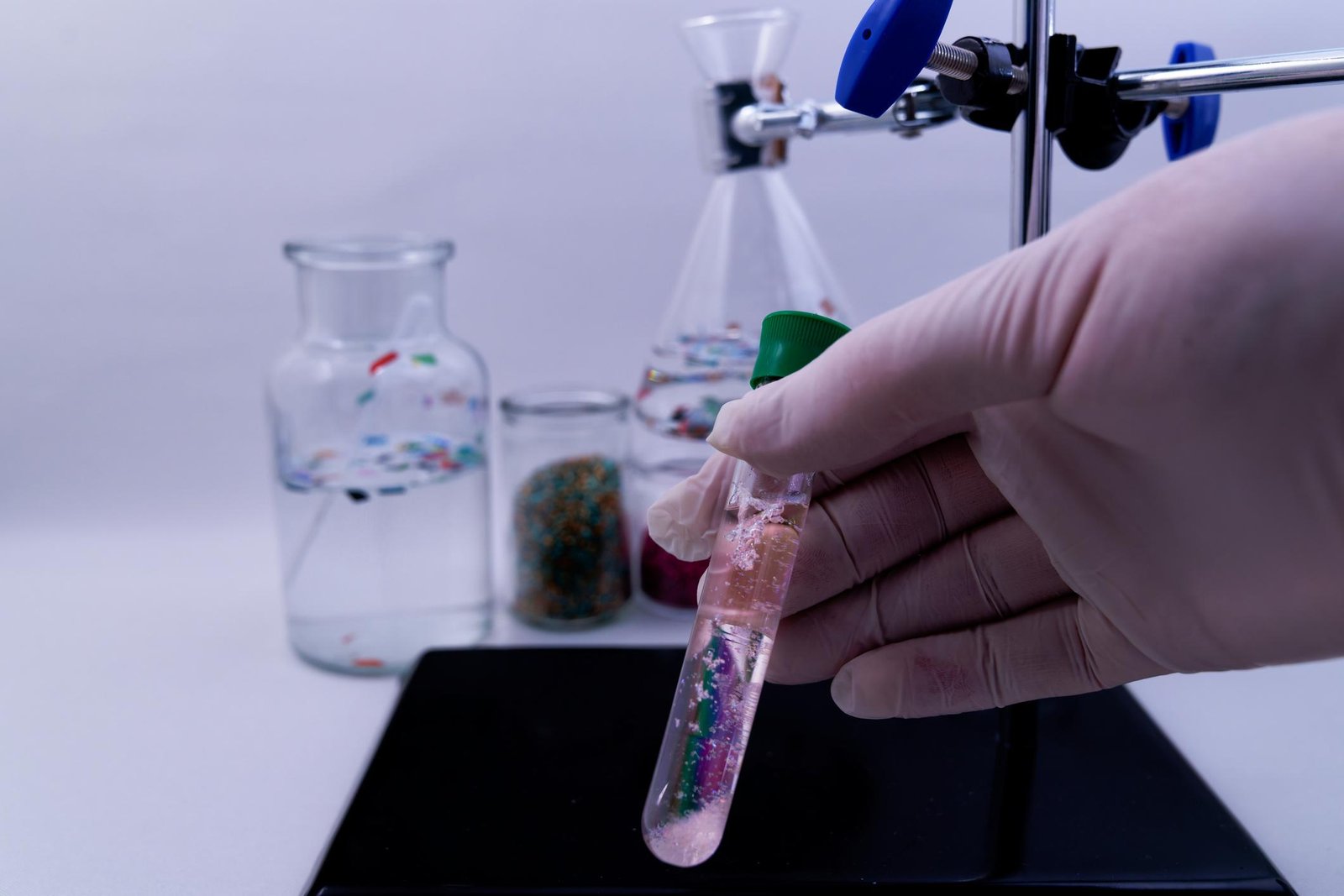
Microplastics are tiny plastic particles that form when larger plastic materials break down over time. Because of their small size, these particles can easily spread through the environment and enter the human body.
People are exposed to microplastics in various ways. Drinking water, packaged foods, seafood, and even indoor air may contain microscopic plastic particles. Researchers estimate that the average person may unknowingly consume thousands of plastic particles each year.
Although scientists are still studying the full impact of microplastics on human health, some concerns have emerged. Researchers are investigating possible links to inflammation, hormonal disruption, immune system responses, and other biological effects.
One challenge is that microplastics often carry chemical additives used during manufacturing. Some of these chemicals may interact with the body’s natural systems, creating additional concerns for researchers.
Environmental experts emphasize that plastic pollution is not only an ecological issue but also a potential public health challenge. As plastic waste accumulates in oceans, rivers, and soil, opportunities for human exposure continue to increase.
Fortunately, individuals can take practical steps to reduce exposure. Experts recommend limiting the use of single-use plastics, choosing reusable containers, filtering drinking water when possible, avoiding excessive heating of food in plastic containers, and supporting sustainable environmental practices.
While scientists continue their research, awareness remains important. Understanding where microplastics come from and how they enter our lives can help people make informed decisions about their health and environment.
The discovery of microplastics inside the human body highlights the growing connection between environmental health and personal well-being. As research progresses, this invisible issue may become one of the most important public health discussions of the coming decade.