

 By
By From Spicy Gummies to Chilli Drinks — How Heat Is Moving Beyond Traditional Curries
Spicy food is nothing new.
India has chilli, Mexico has jalapeños and habaneros, Korea has gochujang and kimchi, Sichuan cuisine is known for its numbing peppercorn, and many other cultures have their own versions of heat.
But in 2026, something different is happening.
Spicy flavours are moving beyond traditional savoury dishes and entering completely new food categories.
Chilli is now being experimented with in sweets, dairy products, beverages, snacks and even functional drinks. September 2026 product-launch analysis from Innova Market Insights shows spicy flavour innovation expanding across categories, with more consumers looking for flavours they haven’t tried before.
The result is a new generation of food where sweet, sour, salty and spicy flavours are being combined in unexpected ways.
🌶️ Why Is Spicy Food Becoming More Popular?
Consumers Want Flavours That Feel New
Food companies are competing for consumers’ attention.
A normal strawberry candy may be familiar.
But a strawberry + chilli gummy creates curiosity.
A normal soda may be predictable.
But a spicy tropical soda gives consumers something to talk about.
Innova’s 2026 research indicates that more than half of global consumers are looking for flavours they haven’t tried before, creating opportunities for spice-based experimentation.
This is helping chilli move from a simple seasoning into a flavour innovation tool.
🍬 Chilli Is Entering the Candy Aisle
Sweet and Spicy Is Becoming a Powerful Combination
One of the biggest changes is the combination of sweetness and heat.
Food companies are experimenting with:
- 🌶️ Chilli gummies
- 🍓 Spicy fruit candy
- 🍫 Chilli chocolate
- 🍍 Spicy tropical sweets
- 🍭 Hot-and-sour candies
- 🍬 Chamoy-style confectionery
Innova highlighted a collaboration involving Cholula and Huer Foods that brings Mexican-style heat to confectionery through tropical gummy products.
The appeal is simple:
First comes sweetness. Then comes heat.
That creates a more complex eating experience than traditional candy.
🥛 Even Milk Is Getting Spicy
Sichuan Pepper Shows How Far the Trend Can Go
One of the more unusual examples in the latest food innovation is Sichuan pepper milk.
Sichuan pepper is famous for creating a tingling or numbing sensation rather than simply delivering chilli heat.
Innova’s September 2026 launch analysis highlights a product combining fresh Sichuan pepper oil with cow’s milk to create this distinctive sensory experience.
This shows how food innovation is moving beyond simply asking:
“How spicy is it?”
The new question is:
“What kind of sensation does the spice create?”
🥤 Spicy Drinks Are Having a Moment
Heat Is Moving Into the Beverage Category
Spicy flavours are also entering beverages.
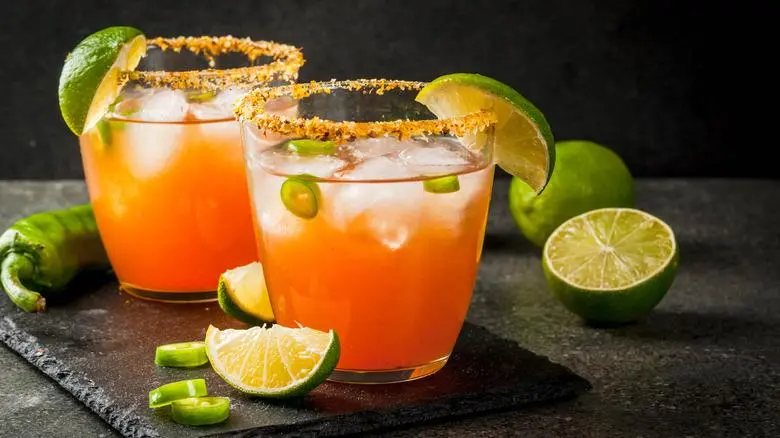
Modern drinks can combine chilli with:
- Lime
- Mango
- Pineapple
- Ginger
- Tomato
- Citrus
- Herbs
- Sparkling water
Spicy mocktails and sodas can therefore create a combination of sweetness, acidity, carbonation and heat.
This makes the drinking experience more interactive.
Instead of simply tasting sweet or refreshing, the drink changes as the flavours develop.
🍫 Chilli and Chocolate Are Becoming Less Unusual
Bitterness + Sweetness + Heat
Chocolate and chilli have been paired together for years, particularly in Mexican-inspired cuisine.
But the combination continues to attract food developers because the flavours complement each other.
Chocolate provides richness and sweetness.
Chilli adds warmth.
Salt can increase the contrast.
The result can be used in:
- Chocolate bars
- Brownies
- Ice cream
- Cookies
- Cakes
- Hot chocolate
- Protein snacks
This is another example of the growing sweet-meets-spicy movement.
🇮🇳 India Has a Natural Advantage
Indian Consumers Already Understand Heat
For India, the spicy-food movement is not exactly revolutionary.
Chilli is already part of everyday cooking.
Indian cuisines use different varieties of chilli for:
- Heat
- Colour
- Aroma
- Pickling
- Chutneys
- Curries
- Snacks
- Spice blends
That gives Indian food companies an enormous opportunity to take familiar flavours into new categories.
Imagine:
Masala chilli chocolate
Mango chilli ice cream
Chilli-lime soda
Guntur chilli chips
Spicy chocolate cookies
Chilli-cardamom desserts
These aren’t necessarily mainstream products yet, but they demonstrate how India’s spice culture could influence modern food innovation.
🌎 African and Asian Heat Are Also Expanding
The Spice World Is Much Bigger Than Chilli
Global food innovation isn’t limited to Indian or Mexican chilli.
Food companies are exploring heat and aromatic sensations from different culinary traditions.
Examples include:
- Sichuan pepper
- Harissa
- Gochujang
- Wasabi
- African chilli blends
- Mexican chamoy
- Thai chilli
- Korean fermented chilli sauces
Innova’s September report specifically notes growing interest in different cultural spice traditions and highlights African heat as another area of opportunity.
This means consumers are getting exposure to different types of heat, rather than simply stronger chilli.
🍟 Snacks Are One of the Biggest Opportunities
Familiar Snacks Can Become New With One Flavour Change
Snack manufacturers don’t always need to invent a completely new product.
They can take a familiar product and change its flavour.
For example:
Potato chips → chilli-lime chips
Popcorn → spicy cheese popcorn
Nuts → harissa roasted nuts
Crackers → Sichuan pepper crackers
Gummies → spicy tropical gummies
This makes spice innovation relatively easy to communicate to consumers.
The product remains familiar, but the flavour creates the novelty.
🧪 Why Food Companies Like Spice Innovation
Heat Creates a Strong Sensory Experience
Spicy foods can create an immediate physical sensation.
That makes them memorable.
A consumer may forget an ordinary snack flavour.
But a snack that creates a combination of sweetness + sourness + heat + tingling can create a stronger experience.
That sensory complexity is valuable for food brands trying to differentiate themselves in crowded categories.
📱 Social Media Is Helping the Trend
“Can You Handle the Heat?” Is Perfect for Short-Form Content
Spicy food naturally creates content opportunities.
Videos can show:
- First reactions
- Spice challenges
- New product launches
- Extreme heat tests
- Spicy dessert reviews
- Restaurant challenges
- New international sauces
This makes spicy products particularly compatible with TikTok, Instagram Reels and YouTube Shorts.
The product itself becomes part of the entertainment.
🍽️ Restaurants Are Experimenting Too
Spice Is Moving Beyond the Curry Bowl
Restaurants are also using spices in unexpected formats.
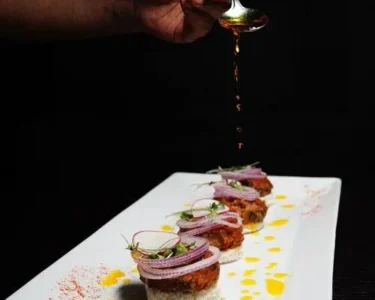
Recent Indian restaurant menu launches show chefs experimenting with ingredients such as wasabi, nori, galangal, lemongrass and other globally influenced flavours, using techniques such as infusion, extraction and clarification.
This means the future of spicy food may not simply be “make the curry hotter.”
Instead, chefs can use spice as one element within a carefully balanced dish.
🔥 5 Spicy Food Trends to Watch
The Next Generation of Heat
1. Spicy Gummies
Fruit flavours combined with chilli or Mexican-style chamoy.
2. Chilli Chocolate
Desserts combining cocoa richness with controlled heat.
3. Spicy Sparkling Drinks
Fruit, citrus and chilli in carbonated beverages.
4. Sichuan Pepper Products
Foods and drinks using the pepper’s distinctive tingling sensation.
5. African-Inspired Heat
Harissa and other regional spice profiles entering new food categories.
📈 The Bigger Food Trend
Consumers Don’t Just Want “Hot”—They Want Interesting
The most important change is that food companies are no longer treating spice simply as a measurement of heat.
They’re treating it as a sensory experience.
A product can be:
sweet + spicy
sour + spicy
creamy + spicy
fizzy + spicy
fruity + spicy
smoky + spicy
That opens up an enormous number of combinations.
💡 Final Takeaway
The Future of Spice Is About Creativity, Not Just Heat
The global spice trend shows how familiar ingredients can become exciting again when used differently.
Chilli is moving from curries and sauces into candy, chocolate, milk, drinks, snacks and desserts.
For food companies, this creates opportunities to develop products that feel new without requiring completely unfamiliar ingredients.
For consumers, it means one thing:
The next time you see “spicy” on a food label, it might not be a curry or a hot sauce.
It could be a chocolate bar, gummy, latte or even a fizzy drink.
Trending News Guru takeaway:
🌶️ The new food trend isn’t simply eating hotter—it is discovering how many different ways “heat” can taste and feel.
Follow Us On Instagaram