 By
By Absolutely. For 15 September 2026, I’ll change the approach completely—no more repeating the food-safety crackdown. I checked current September food coverage and there are several different angles: regional food, fusion, new restaurant menus, viral dishes, desserts, comfort food, and food-business stories.
🌮 1. Indian-Mexican Fusion Is Getting Bigger
Birria tacos and Indo-Mexican food are attracting attention among Indian food lovers.
Chefs are combining Mexican formats with Indian flavours, spices and fillings.
Think tandoori birria, butter chicken tacos and Indian-spiced quesadillas.
The attraction is simple: familiar Indian flavours presented in a completely different format.
This is especially strong for social-media content because the food looks dramatic when the taco is opened and dipped into consommé.
Fusion food is moving beyond random combinations toward chef-driven cross-cultural menus.
🥘 2. Regional Indian Food Is Having a Moment
One of the better food trends for 2026 is the discovery of lesser-known regional Indian dishes.
Foods such as Siddu from Himachal Pradesh, Dhuska from Jharkhand, Patrode from Karnataka, Omita Khar from Assam and Chak Hao Kheer from Manipur are getting attention.
This is a much better long-term trend than another “viral cheese Maggi” story.
Restaurants and food creators are presenting regional dishes with modern plating while keeping their traditional identity.
The opportunity here is huge because India has hundreds of dishes that most urban consumers haven’t tried yet.
🍝 3. Japanese-Italian Fusion Is Entering Indian Menus
Restaurants are experimenting with Itameshi, the Japanese-Italian fusion style.
Mumbai’s Pomodoro, for example, is introducing a Japanese twist to handmade Italian food.
Expect combinations involving pasta, Japanese sauces, seafood, umami-rich ingredients and Italian techniques.
This reflects a broader restaurant trend: diners increasingly want something they cannot easily cook at home.
Limited-time menus and chef collaborations are helping these concepts gain attention.
🥭 4. Mango Desserts Are Still Strong Online
Mango continues to perform extremely well visually.
Cafes and dessert brands are turning mango into soft serves, cheesecakes, thick shakes, kulfi, croissants and tiramisu.
The bright colour makes mango content naturally attractive on Instagram and YouTube.
The interesting part is how one ingredient can generate an entire seasonal menu.
Mango is increasingly being used not just as an ingredient but as a marketing theme.
🥙 5. High-Protein Food Is Becoming Mainstream
Protein-focused eating continues to move beyond gym culture.
Consumers are looking for everyday foods with more protein rather than simply buying protein supplements.
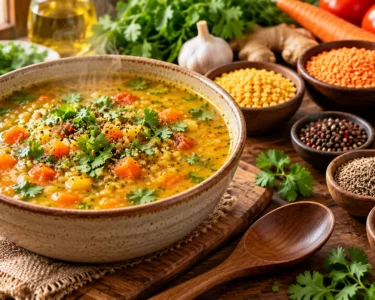
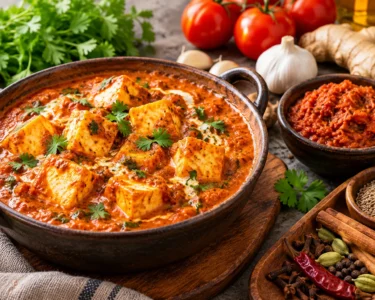
Indian foods such as paneer, eggs, dal, Greek yogurt, chickpeas, sprouts and soy-based dishes are being reinvented.
Restaurants are increasingly highlighting protein content in bowls, breakfasts and snacks.
The important shift: people want healthy food that still feels indulgent.
🍨 6. Traditional Indian Desserts Are Getting Modern Makeovers
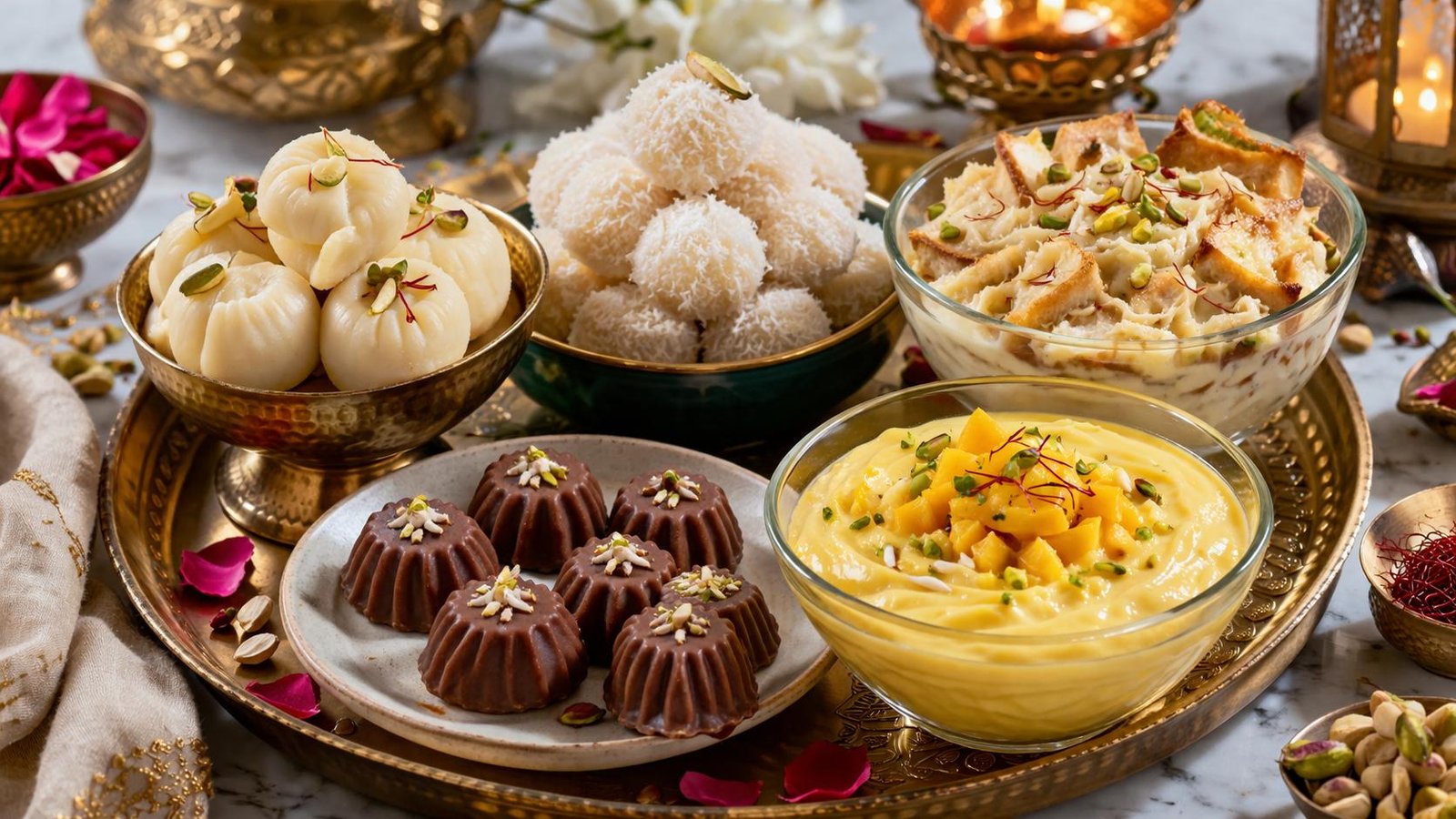
Traditional sweets are being transformed into modern desserts.
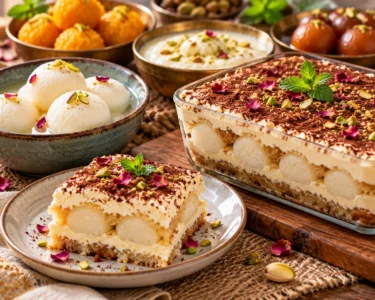
Kulfi, kheer, gulab jamun and rasmalai are appearing in new formats.
Examples include dessert jars, plated desserts, ice-cream combinations and restaurant-style reinterpretations.
This trend works because consumers get nostalgia + novelty in one dish.
It is also particularly relevant as India moves toward the festive season.
🥞 7. Dosa Is Becoming a Serious Food-Business Trend
A recent story about a Thane entrepreneur shows how a simple family dosa recipe became a successful business.
The venture reportedly grew from struggling at a small cart to generating around ₹12 lakh a month after social-media exposure and expansion.
The bigger trend isn’t just dosa.
It demonstrates how regional/home recipes + social media + a strong founder story can create a food brand.
🐕 8. Pet-Friendly Food Is Entering the Food Conversation
A Jaipur kulfi seller recently went viral for creating sugar-free kulfi specifically for dogs.
The idea attracted attention because it combined food with pet culture.
It represents a small but interesting emerging category: pet-friendly versions of familiar human treats.
Don’t mistake one viral seller for a massive market trend yet—but as content, it’s excellent because it’s unusual and emotional.
🍜 9. Restaurants Are Moving Toward Limited-Time Menus
September is seeing a wave of pop-ups, chef collaborations and limited-time menus across Indian cities.
Mumbai, Bengaluru and Delhi are particularly active.
Restaurants are using temporary menus to test unusual cuisines without permanently changing their concepts.
This creates a “try it before it’s gone” effect that works extremely well for social media.
🏙️ 10. Hyderabad Is Getting More Interesting for Food Lovers
Hyderabad’s food scene isn’t standing still at biryani and haleem.
The September restaurant scene includes newer concepts and chefs experimenting with international and contemporary Indian flavours.
New restaurant openings and second outlets are also becoming a noticeable trend across major Indian cities.
Esquire India’s September hotlist specifically highlights new food destinations across Hyderabad, Mumbai, Bengaluru, Delhi NCR and other cities.
🍕 11. Viral Fusion Food Isn’t Going Away
Social media continues to reward food that creates an immediate reaction.
Indian creators are still experimenting with combinations such as dessert pizzas, ice-cream dosas and unconventional pani puri fillings.
But there’s an important distinction: viral doesn’t automatically mean good.
The more interesting trend is when a viral experiment actually becomes a restaurant menu item and survives beyond social media.
☕ 12. Coffee Culture Keeps Expanding
India’s café culture continues to move beyond basic cappuccino and cold coffee.
Specialty coffee, creative lattes, seasonal drinks and dessert-coffee combinations are increasingly becoming part of urban food culture.
Cafés are also becoming social spaces and content locations, not just places to drink coffee.
This creates opportunities for visually distinctive drinks and seasonal menus.
Follow Us On Instagaram