By
By Release Delay Linked to Overseas Market Concerns
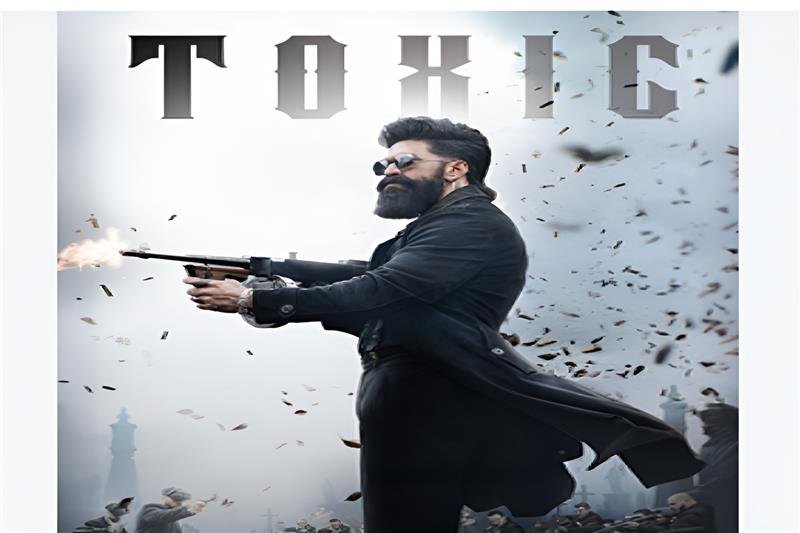
The makers of Toxic, directed by Geetu Mohandas, have decided to push the film’s release to a later date after assessing the current situation in the Middle East.
According to industry sources, international distributors suggested postponing the film because the region plays a vital role in generating overseas revenue for big Indian releases.
Rather than rushing the release, the team chose a cautious approach to ensure the film can perform strongly across global markets.
Promotions Were Ready to Begin
Before the postponement decision, the film’s promotional campaign was about to begin in full swing.
A grand trailer launch event was scheduled in Bangalore on March 8, followed by multiple press conferences planned across major Indian cities. Marketing preparations were already in place, including outdoor promotions, theatre partnerships, and advance promotional activities.
Advance bookings were also expected to open soon, indicating that the film had reached the final stages of its theatrical rollout.
Avoiding a Big Box Office Clash
Another major benefit of the delay is that Toxic will no longer clash with Dhurandhar: The Revenge.
Industry experts believe that two high-budget films releasing on the same day could create intense competition for screens and show timings, especially in national cinema chains and single-screen theatres.
By arriving on separate dates, both films now have a better opportunity to maximize their box office performance.
Trade Experts Support the Decision
Veteran trade analyst Taran Adarsh has supported the decision, stating that releasing two major films together could have created unnecessary challenges for exhibitors and distributors.
He explained that such clashes often lead to conflicts over screen allocation and show timings, which can affect overall business prospects.
Adarsh also pointed out that social media fan wars between rival film audiences can sometimes create negative publicity during the release week.
Middle East Market Matters for Yash
The Middle East has long been a crucial overseas market for Indian cinema, especially for stars with a strong international fan base like Yash. Over the years, Gulf countries have consistently delivered impressive box office numbers for big-ticket Indian releases, making the region an essential part of any global distribution strategy. For a star like Yash, whose popularity surged dramatically after the massive success of KGF: Chapter 2, this market carries even greater significance.
KGF: Chapter 2 performed exceptionally well across the Middle East, drawing packed audiences and generating substantial revenue. This success reinforced the region’s importance not just as an additional market, but as a key contributor to overall global earnings. As a result, any new project starring Yash is expected to capitalize on this strong fan base and deliver similarly high returns internationally.
However, when dealing with a high-budget film like Toxic, the stakes are considerably higher. Large-scale productions rely heavily on synchronized global releases to maximize opening weekend collections and maintain momentum. Any instability in a major market like the Middle East—whether due to economic, political, or logistical factors—can directly impact box office performance. This is why the producers appear to be taking a cautious approach, choosing to wait for a more favorable and stable environment before releasing the film internationally.
From a business perspective, this delay reflects a smart and calculated commercial decision rather than a setback. By postponing the release, the makers are ensuring that the film gets the widest possible reach under optimal conditions. Rushing the release in an uncertain market could dilute potential earnings and reduce overall impact, something that producers of large-scale films actively avoid.
Another significant advantage of this postponement is the avoidance of box office clashes. With Toxic stepping aside temporarily, films like Dhurandhar: The Revenge can enjoy a solo release window. This strategy prevents audience fragmentation and allows each film to perform at its full potential without competing for the same viewer base.
Industry analysts widely view this move as a well-planned strategy aimed at maximizing profitability. Instead of risking underperformance, the makers of Toxic are prioritizing long-term gains over short-term releases. In today’s competitive and globally connected film industry, such decisions highlight the importance of timing, market stability, and strategic planning in ensuring a film’s success.
A Smart Commercial Decision
With the postponement, both Toxic and Dhurandhar: The Revenge now have the opportunity to release independently without dividing audience attention.
Industry observers believe this strategy will allow each film to achieve its full box-office potential while avoiding unnecessary competition.
For the makers of Toxic, the delay appears to be a carefully calculated decision aimed at ensuring stronger global returns.