

 By
By Mpox Remains a Global Public Health Priority in 2026
Mpox continues to be closely monitored by health authorities worldwide as countries strengthen disease surveillance, improve diagnostic capabilities, and promote public awareness. Although the number of severe cases has declined in many regions compared to previous outbreaks, public health experts emphasize that the virus has not disappeared. Instead, it remains an important infectious disease that requires ongoing monitoring, rapid response, and community cooperation.
What Is Mpox?
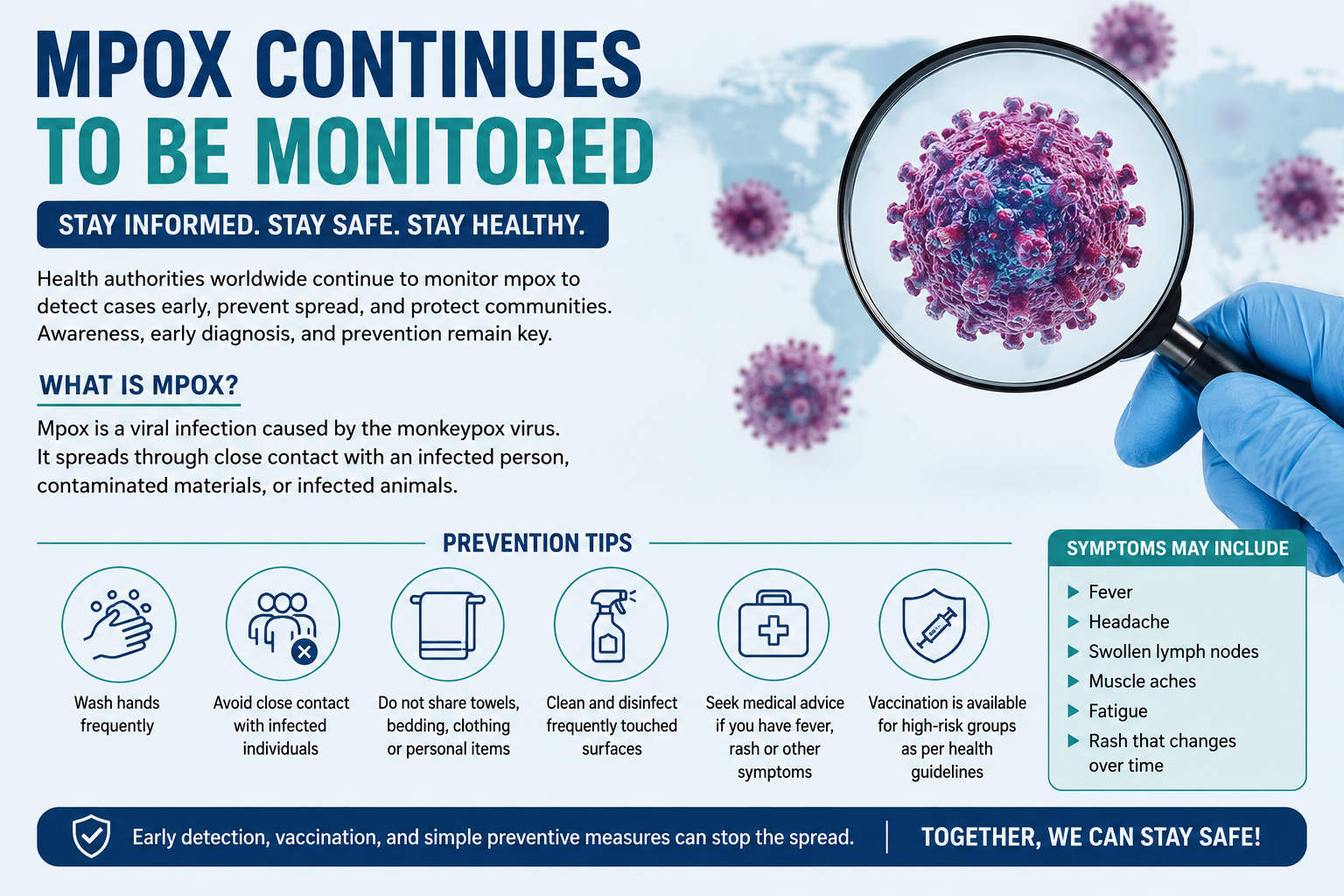
Mpox is a viral disease caused by the monkeypox virus, which belongs to the Orthopoxvirus family. It can spread through close physical contact with an infected person, contaminated materials such as clothing or bedding, or infected animals. While most people recover completely within a few weeks, some individuals—particularly those with weakened immune systems, young children, or pregnant women—may experience more serious complications.
The disease typically begins with symptoms such as fever, headache, swollen lymph nodes, muscle aches, fatigue, and chills. Within a few days, a characteristic rash develops, progressing through several stages before healing. Early recognition of symptoms and timely medical consultation are essential for preventing further spread.
Why Health Authorities Continue Monitoring Mpox
Public health agencies around the world continue monitoring mpox because infectious diseases can evolve over time. Global travel, population movement, and close human interactions make it possible for isolated cases to appear in different countries.
Disease surveillance helps experts:
- Detect new infections quickly.
- Identify clusters before they become larger outbreaks.
- Monitor changes in virus transmission.
- Improve public health responses.
- Protect vulnerable populations.
- Guide vaccination and prevention strategies.
Early detection allows healthcare providers to isolate confirmed cases, trace close contacts, and reduce community transmission before outbreaks expand.
Current Global Response
Many countries have strengthened their infectious disease surveillance systems since the earlier mpox outbreaks. Hospitals and laboratories are now better equipped to identify suspected cases quickly through improved testing and reporting systems.
Public health authorities continue to:
- Monitor new cases through national surveillance programs.
- Educate healthcare professionals about recognizing symptoms.
- Improve laboratory testing capacity.
- Promote awareness among communities.
- Ensure vaccines are available for eligible high-risk groups.
- Coordinate international data sharing to track disease trends.
These combined efforts help countries respond more effectively whenever new cases are identified.
Prevention Remains the Best Protection
Although mpox is not considered highly contagious like some respiratory viruses, preventive measures remain important.
Health experts recommend:
- Avoid close contact with individuals who have unexplained rashes or confirmed mpox.
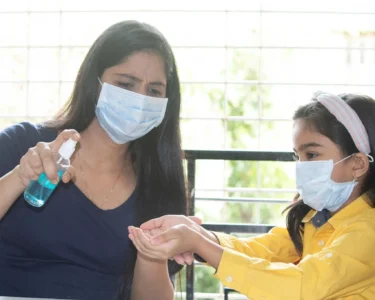
- Wash hands frequently using soap and water or alcohol-based sanitizers.
- Avoid sharing towels, bedding, clothing, or personal items with infected individuals.
- Clean frequently touched surfaces regularly.
- Seek medical advice if symptoms develop after close exposure.
- Follow local public health guidance regarding testing and isolation.
Simple hygiene practices continue to play a significant role in reducing transmission.
Importance of Early Diagnosis
Recognizing symptoms early allows patients to receive appropriate medical guidance while reducing the likelihood of infecting others. Healthcare providers may recommend laboratory testing if mpox is suspected based on symptoms and recent exposure history.
Individuals experiencing fever followed by an unusual rash should avoid close contact with others until evaluated by a healthcare professional. Prompt diagnosis also helps health authorities monitor disease trends more accurately.
Vaccination Supports High-Risk Protection
Vaccination remains an important preventive tool for people at increased risk of exposure. In many countries, vaccines are offered to specific high-risk groups rather than the general public.
Vaccination strategies focus on:
- Individuals with known exposure.
- Healthcare workers caring for infected patients.
- Laboratory personnel handling virus samples.
- Other groups identified by national public health authorities.
Vaccines help reduce the risk of severe illness and contribute to outbreak control when used alongside surveillance and public health measures.
Public Awareness Makes a Difference
One of the biggest lessons from previous outbreaks is the importance of accurate public information. Misinformation can create unnecessary panic or prevent people from seeking medical care.
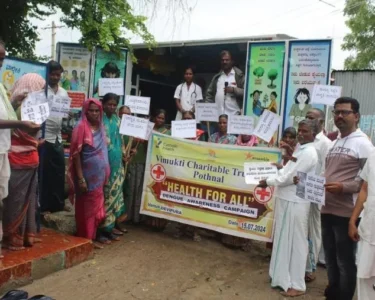
Health experts encourage people to rely on trusted sources for updates and avoid spreading unverified information on social media. Public awareness campaigns continue to educate communities about symptoms, transmission, prevention, and when to seek medical attention.
Well-informed communities are better prepared to respond calmly and responsibly during infectious disease events.
Looking Ahead
Global health experts remain optimistic that continued surveillance, scientific research, vaccination programs, and international cooperation will help keep mpox under control. Ongoing monitoring allows authorities to identify emerging risks early while ensuring healthcare systems remain prepared for future challenges.
Although mpox continues to be monitored worldwide, there is no reason for unnecessary alarm. Staying informed, practicing good hygiene, recognizing symptoms early, and following public health guidance remain the most effective ways to protect individuals and communities.
As global health systems become stronger and disease surveillance technologies continue to improve, experts believe that rapid detection and coordinated response will remain the foundation of preventing future outbreaks. Public cooperation, responsible healthcare practices, and continued research will play a vital role in minimizing the impact of mpox and safeguarding public health in the years ahead.
Follow Us On Instagram