The Story: Protein Is Moving Into Everyday Café Drinks
Not just gym food anymore
- Protein is rapidly moving beyond protein powders, shakes and bodybuilding products.
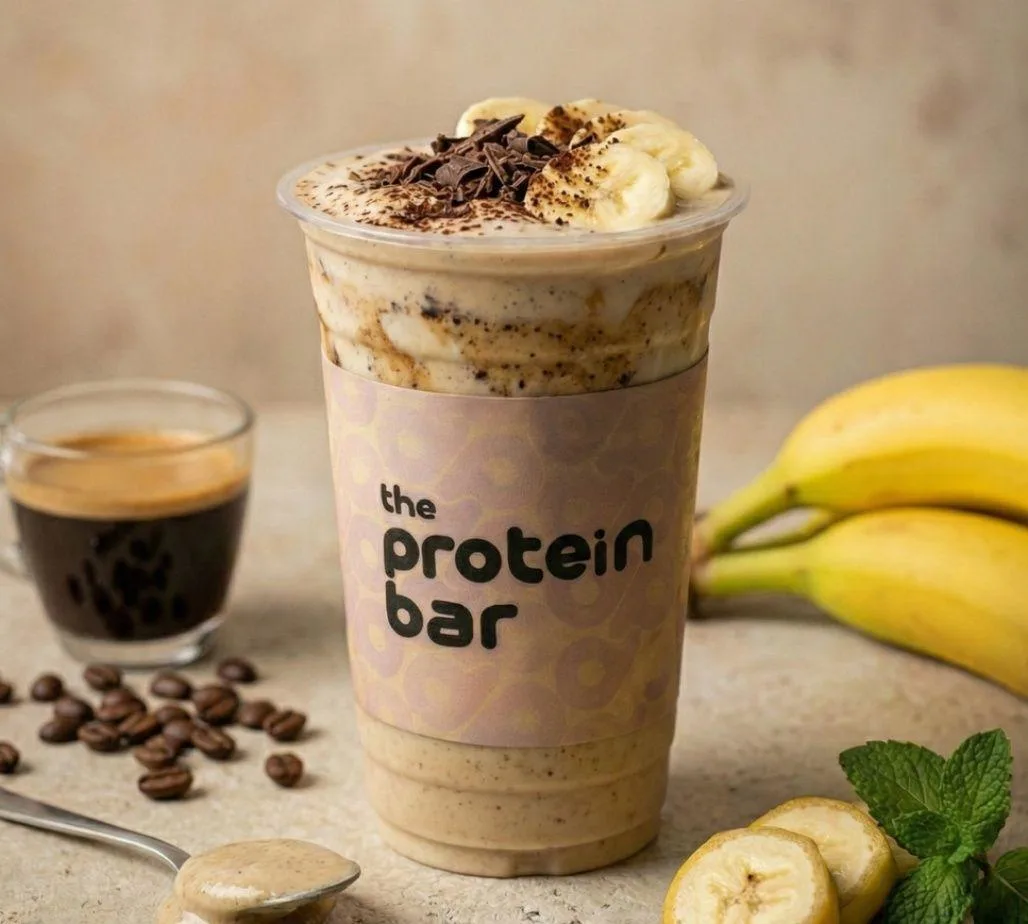
- The latest development is the arrival of protein-enriched everyday beverages at mainstream cafés.
- Recent reporting in India highlights new protein-focused drinks and products from café chains including Chaayos, Tim Hortons and Starbucks, showing that protein is becoming part of mainstream café culture.
- The interesting part is not simply that protein drinks exist.
- It is that brands are trying to make ordinary beverages—coffee, tea and smoothies—carry a functional nutrition message.
Why this is different
- Earlier, consumers had to visit a gym, nutrition store or buy a protein powder to intentionally increase protein intake.
- Now the proposition is much simpler:
- Order your morning coffee.
- Add protein.
- Continue your day.
- This makes protein a convenience trend rather than a fitness-only trend.
Why Protein Is Trending in 2026
Consumers want nutrition without changing their routine
- Many consumers understand that their diets may not contain enough protein.
- But not everyone wants:
- A separate protein shake
- Complicated meal preparation
- Protein-heavy cooking
- Supplements at home
- A ready-made café beverage removes that friction.
- The message becomes:
- “You don’t need another meal; just upgrade something you already consume.”
The café is becoming a functional-food destination
- Cafés traditionally sold:
- Coffee
- Tea
- Pastries
- Sandwiches
- Desserts
- Now the menu is expanding toward:
- Protein coffee
- Protein smoothies
- Protein shakes
- Low-sugar beverages
- Functional drinks
- This represents a larger change in the café business: selling a lifestyle benefit alongside taste.
The Big Business Challenge: Whey Protein Is Expensive
Demand is rising—but supply is not unlimited
- The current protein boom has arrived at an inconvenient time for food companies.
- Recent Indian business reporting says whey protein prices have risen sharply, with the industry facing supply constraints.
- This creates a difficult equation:
- Consumers want more protein.
- Brands want affordable protein products.
- Protein ingredients are becoming more expensive.
- Companies therefore have to rethink:
- Formulation
- Portion size
- Protein sources
- Pricing
- Product positioning
Why this matters for consumers
- A café can advertise a “protein drink,” but consumers should look beyond the word protein.
- They should check:
- Actual grams of protein
- Sugar content
- Calories
- Serving size
- Added syrups
- Protein source
- A drink containing a modest amount of protein but a large amount of sugar should not automatically be treated as a healthy product.
India’s Unique Opportunity
Protein meets Indian beverage culture
- India has an enormous everyday beverage market:
- Chai
- Filter coffee
- Cold coffee
- Lassi
- Buttermilk
- Smoothies
- Milkshakes
- That gives Indian brands many opportunities to create localized protein beverages.
- Possible formats include:
- Protein filter coffee
- Protein cold coffee
- Protein lassi
- Protein mango smoothie
- Protein chocolate shake
- Protein masala chai
- Protein buttermilk
- The key is not to make every traditional drink taste like a gym supplement.
Taste will decide the winners
- Consumers may try a protein drink once because it is trending.
- They will only buy it repeatedly if:
- It tastes good.
- The texture is pleasant.
- The price feels reasonable.
- The protein quantity is meaningful.
- This is where many functional-food products fail.
From Gym Culture to Mainstream Culture
The target consumer is changing
- Protein products were traditionally marketed toward:
- Bodybuilders
- Athletes
- Gym enthusiasts
- The new target is much broader:
- Office workers
- Students
- Young professionals
- Busy parents
- Café regulars
- Consumers interested in convenient nutrition
- This is a major marketing shift.
Protein becomes an everyday habit
- Instead of saying:
- “I need to drink a protein shake.”
- The consumer thinks:
- “I’ll get a protein coffee.”
- That subtle change could significantly expand the market.
The GLP-1 Connection
Food companies are watching changing appetite patterns
- Global food companies are also responding to the growing use of GLP-1 medications, which can change appetite and eating patterns.
- Recent reporting on Magnum’s strategy notes that food companies are exploring protein and sugar reduction as consumer preferences evolve.
- This creates another reason brands are experimenting with:
- Smaller portions
- Higher protein
- Reduced sugar
- More functional products
- Importantly, this does not mean every protein product is designed for GLP-1 users. It is one factor contributing to broader food-industry reformulation.
The Cultural Shift
Protein is becoming a social-media identity
- Social media has transformed protein from a nutrition statistic into a lifestyle signal.
- Online consumers regularly share:
- High-protein breakfast ideas
- Protein desserts
- Protein coffee
- Protein snacks
- High-protein meal preparation
- This creates a powerful feedback loop:
- Consumers see protein products.
- They try them.
- They post them.
- Cafés notice demand.
- More cafés launch products.
What Could Go Wrong?
“High protein” can become empty marketing
- Not every protein-labelled product is nutritionally impressive.
- Businesses may use protein as a premium marketing word while:
- Increasing prices
- Adding sugar
- Offering relatively little protein
- Another problem is taste.
- Protein ingredients can affect:
- Texture
- Aftertaste
- Thickness
- Solubility
- If companies prioritize the nutrition claim over the actual drinking experience, repeat purchases may suffer.
The Bigger Business Opportunity
The café is becoming a nutrition platform
- The biggest opportunity isn’t one protein coffee.
- It is the possibility of transforming the entire café menu.
- Imagine a menu divided into:
- Energy
- Protein
- Low sugar
- Hydration
- Indulgence
- This gives customers a simple way to choose food according to their daily needs.
- It also gives cafés opportunities to charge for meaningful customization.
Strong Takeaway
Protein is becoming a convenience category
- The most important development is not the protein shake itself.
- It is the normalization of functional nutrition inside ordinary food and beverages.
- Coffee is no longer only about caffeine.
- A smoothie is no longer only about fruit.
- A café visit can increasingly become a small nutrition decision.
Do Follow Us on Instagram



 By
By