

 By
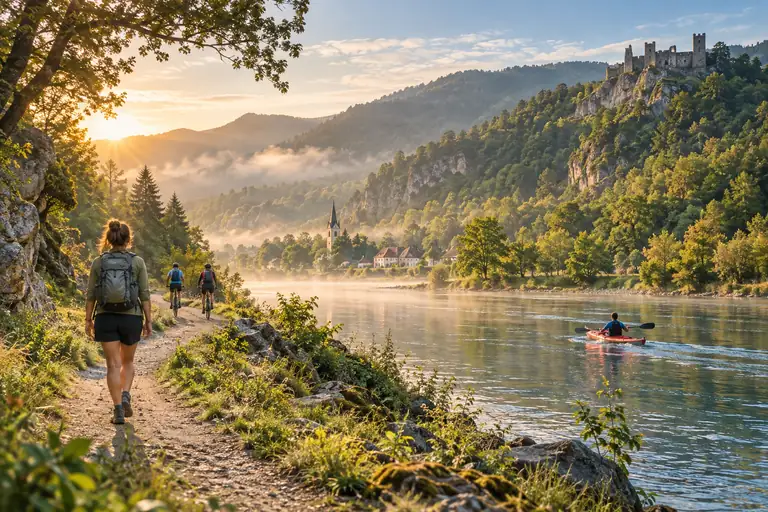
By Slow & Purposeful Journeys are reshaping how people explore the world. Instead of rushing through packed itineraries and collecting photographs at crowded landmarks, travellers increasingly want to walk, cycle or kayak through a destination at a more natural pace. The objective is no longer to cover the greatest distance or visit the highest number of attractions. It is to understand a place, connect with its people and return home with experiences that feel personally meaningful.
This approach combines elements of slow travel, active tourism and responsible exploration. A multi-day walk through rural villages, a cycling route connecting local farms or a quiet kayaking journey along an undeveloped coastline can reveal details that are easily missed from a tour bus or domestic flight.
Why Travellers Are Moving Beyond the Checklist
Traditional tourism often encourages visitors to fit numerous cities, attractions and activities into a short holiday. Although this can look impressive on an itinerary, constant transfers, early departures and crowded sightseeing schedules may leave travellers exhausted.
Slow and purposeful travel offers a different measure of value. A visitor might spend an entire morning walking through one neighbourhood, talking with craftspeople or learning how a regional dish is prepared. The experience appears smaller on paper, but it may create a stronger and more lasting memory.
Recent tourism coverage indicates growing demand for smaller groups, active holidays and experiences built around culture, community and personal connection. Travellers are showing greater interest in journeys with a clear theme or intention instead of generic sightseeing packages. Sustainability has also become an important consideration, particularly when choosing transport, accommodation and locally operated activities.
Walking Turns the Route Into the Experience
Walking holidays are among the clearest expressions of slow travel because every part of the route becomes meaningful. Travellers notice gradual changes in architecture, vegetation, language and food that would otherwise pass unnoticed.
Pilgrimage trails, coastal paths, mountain routes and village-to-village walks provide space for reflection while supporting businesses outside major tourism centres. Local guesthouses, cafés, guides and luggage-transfer services can all benefit when visitors remain in a region for several days.
Walking also makes spontaneous interaction more likely. A conversation at a bakery, an unexpected viewpoint or a village festival can become more memorable than an attraction booked weeks in advance. However, responsible walkers should remain on marked trails, respect private land and avoid placing unnecessary pressure on fragile landscapes.
Cycling Creates Freedom Without Rushing
Cycling allows travellers to cover more ground than walking while retaining a close connection to their surroundings. Riders can stop at markets, historic sites, vineyards and small communities without being restricted by a fixed coach itinerary.
E-bikes are making these journeys accessible to a wider range of ages and fitness levels. They can help groups with different abilities travel together and make hilly regions easier to explore. This accessibility is supporting demand for cycling holidays in destinations with established greenways, river routes and low-traffic roads.
A purposeful cycling itinerary should leave enough time for rest and local engagement. It should not simply replace a rushed driving schedule with an equally demanding riding schedule. Shorter daily distances, rest days and locally owned accommodation help preserve the slow-travel experience.
Kayaking Reveals Destinations From a New Perspective
Kayaking offers an intimate way to explore rivers, lakes, wetlands and coastlines. Without the noise and speed of a large motorised vessel, travellers can observe landscapes and wildlife more carefully.
Guided kayaking trips can also introduce visitors to marine conservation, wetland ecosystems and traditional relationships with waterways. When properly managed, small-group paddling can disperse visitors and encourage appreciation for environments that need protection.
Safety and environmental care remain essential. Travellers should use qualified local operators, follow weather and tide guidance, maintain a safe distance from wildlife and avoid disturbing nesting or breeding areas. Reusable water bottles and minimal single-use packaging can further reduce the impact of a journey.
Purposeful Travel Can Support Local Communities
Slow travel does not automatically become sustainable simply because it involves walking or cycling. Its real value depends on how money is spent, how visitors behave and whether local communities participate in tourism decisions.
Choosing community guides, family-run accommodation, local restaurants and regional transport can keep more tourism income within the destination. Staying longer in fewer places may also spread spending beyond major attractions.
A practical example comes from Ireland, where former peatland communities are developing walking and cycling trails alongside nature-restoration projects. The initiative aims to create new economic opportunities while supporting the recovery of damaged landscapes, according to Reuters’ reporting on Ireland’s tourism transition.
At the policy level, the European Commission used European Tourism Day in January 2026 to discuss priorities connected with its forthcoming sustainable-tourism strategy, demonstrating that responsible tourism remains part of the region’s current agenda. European Commission
How to Plan a Slow and Meaningful Journey
Begin with one region rather than an entire country. Select a walking, cycling or kayaking route that matches your fitness, available time and experience. Include flexible days so that bad weather, fatigue or an unexpected local event does not create pressure.
Research seasonal conditions, permits, equipment requirements and emergency options before departure. Pack lightly, but carry the essential safety gear for the chosen activity. Travellers should also check current official advisories and obtain insurance that covers hiking, cycling or paddling where appropriate.
Most importantly, avoid treating the journey as a performance. There is no need to complete every kilometre or document every moment. Allowing time to pause, listen and change plans is central to purposeful travel.
The Future of Travel Is Not Always Faster
Slow and purposeful journeys reflect a wider desire for holidays that restore rather than exhaust. Walking encourages observation, cycling offers flexible discovery and kayaking creates a quiet connection with water and wildlife.
This form of travel will not replace conventional tourism, but it offers a valuable alternative to overcrowded attractions and hurried schedules. By travelling fewer kilometres, staying longer and supporting local communities, visitors can gain something that a packed checklist rarely provides: a genuine relationship with the destination.