

 By
By Cold Frontier Expeditions are rapidly becoming some of the world’s most sought-after journeys. Small-ship cruises to Antarctica, the Arctic, and Svalbard are attracting travelers who want pristine landscapes, rare wildlife, and meaningful experiences far from crowded tourist routes. Instead of conventional luxury, these voyages offer silence, immense glaciers, drifting sea ice, and the feeling of entering one of Earth’s last great wilderness regions.
With limited passenger capacity and short operating seasons, popular polar departures can fill well in advance. The appeal is not simply about reaching a remote destination—it is about exploring slowly, responsibly, and with expert guidance.
Why Polar Expeditions Are Growing in Popularity
Modern travelers increasingly value memorable experiences over packed sightseeing schedules. Polar regions meet that demand with landscapes and wildlife encounters that cannot be replicated elsewhere.
Expedition cruising also differs from a conventional cruise holiday. The ship functions as a mobile exploration base rather than the main attraction. Daily plans may include Zodiac boat rides, guided shore landings, wildlife observation, photography sessions, kayaking, or educational presentations.
Weather, sea ice, and wildlife movements determine each day’s activities. This uncertainty has become part of the attraction. Guests do not simply follow a fixed itinerary; they participate in a genuine expedition where flexibility is essential.
Antarctica: A Journey Across the Southern Ocean
Antarctica remains the ultimate destination for many adventure travelers. Most voyages explore the Antarctic Peninsula during the austral summer, generally between November and March. Ships commonly depart from Ushuaia in Argentina and cross the Drake Passage before reaching the continent.
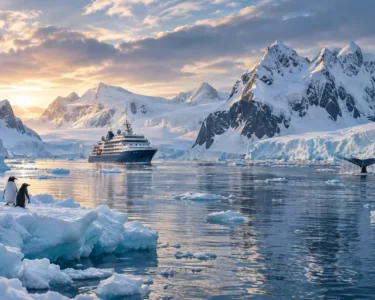
Travelers may see enormous tabular icebergs, sculpted blue ice, penguin colonies, seals, and migrating whales. Some longer itineraries combine the Antarctic Peninsula with South Georgia and the Falkland Islands, creating opportunities to observe even greater concentrations of wildlife.
The International Association of Antarctica Tour Operators publishes visitor guidance, operational information, and seasonal tourism statistics to encourage safe and environmentally responsible travel. Its guidelines reinforce principles such as maintaining appropriate distances from wildlife, preventing the introduction of non-native material, and following expedition staff instructions during landings. IAATO
Exploring the Arctic’s Diverse Landscapes
Unlike Antarctica, the Arctic is an ocean surrounded by inhabited continents and islands. Arctic voyages can include Greenland, northern Canada, Iceland, Norway, and remote sections of the Northwest Passage.
The region combines glaciers, tundra, mountains, historic settlements, and Indigenous cultures. Wildlife varies by location but may include walruses, Arctic foxes, musk oxen, reindeer, seabirds, and polar bears.
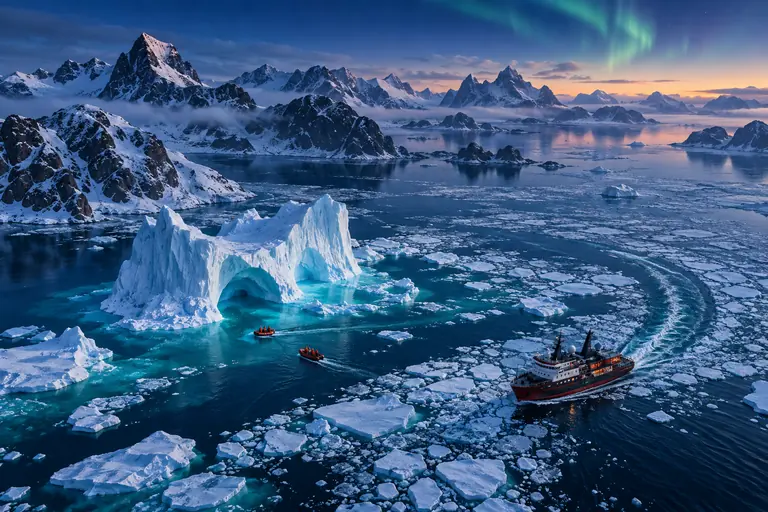
Summer voyages benefit from long daylight hours, including the midnight sun in far northern areas. Late-season journeys may also offer darker skies and the possibility of seeing the northern lights. Because sea-ice conditions can change significantly, expedition teams continually adjust routes to balance access, safety, and environmental responsibility.
Svalbard’s Powerful Wilderness Appeal
Situated between mainland Norway and the North Pole, the Svalbard archipelago has become one of the most recognizable Arctic expedition destinations. Longyearbyen is the primary gateway for voyages exploring Spitsbergen and the surrounding islands.
Visitors are drawn to dramatic fjords, glaciers, Arctic bird cliffs, abandoned mining settlements, and the possibility of observing polar wildlife. However, sightings are never guaranteed, and responsible operators avoid disturbing or pursuing animals.
Svalbard also demands careful preparation. Outside settlements, limited mobile coverage and the possibility of polar bear encounters make trained guides and suitable safety equipment essential. Visit Svalbard advises travelers to understand local weather, wilderness-safety requirements, and responsible behavior before entering the fragile Arctic environment. Visit Svalbard
Why Small Ships Make a Difference
Small expedition vessels offer a more intimate way to experience polar environments. With fewer passengers, embarkation can be quicker, Zodiac operations more efficient, and educational interaction with guides more personal.
In Antarctica, landing opportunities depend partly on vessel size and operational rules. Large ships may provide scenic cruising, while smaller expedition vessels are generally designed around active shore exploration. Travelers should therefore check a ship’s passenger capacity, ice classification, landing programme, and expedition-team ratio before booking.
Modern ships may include reinforced hulls, observation lounges, mudrooms, science facilities, and equipment for kayaking or other optional activities. Comfortable cabins are valuable, but the most important features are experienced crews, strong safety systems, and responsible operating standards.
The New Meaning of Luxury in Remote Travel
On Cold Frontier Expeditions, luxury increasingly means access, time, knowledge, and space rather than entertainment or excess. A quiet morning beside a glacier, a lecture from a marine biologist, or the sound of ice moving through a fjord can become the journey’s defining moment.
Many travelers also appreciate the digital distance. Connectivity may be limited, encouraging guests to pay closer attention to changing weather, wildlife behavior, and the scale of the surrounding landscape.
These experiences can create a stronger understanding of climate change and conservation. Visit Svalbard notes that warming is contributing to reduced sea ice, glacier loss, warmer oceans, and thawing permafrost—changes with serious consequences for local wildlife and communities. Visit Svalbard climate information
Planning a Responsible Polar Journey
Travelers should compare operators carefully instead of choosing solely by price or cabin style. Important factors include membership in recognized expedition-tourism organizations, qualified guides, emergency procedures, environmental policies, and transparent wildlife-viewing practices.
Booking early is sensible for preferred dates, specialist activities, and smaller cabin categories. Comprehensive travel insurance, including emergency evacuation coverage, may be required. Guests should also prepare for itinerary changes because weather and ice always have the final say.
Biosecurity is equally important. Clothing, footwear, bags, and camera equipment must be cleaned carefully so that seeds, soil, or organic matter are not carried into sensitive environments.
A Rare Experience That Requires Respect
Cold Frontier Expeditions allow travelers to witness landscapes that remain largely beyond roads, cities, and mass-tourism infrastructure. Their rising popularity reflects a desire for quieter, deeper, and more adventurous journeys.
Yet growing interest brings responsibility. The future of polar travel depends on controlled visitor behavior, strong regulation, science-based management, and operators that place conservation ahead of convenience. Travelers who arrive prepared, follow local guidance, and respect wildlife can experience the polar world without treating it as a playground.
At the ends of the Earth, the greatest privilege is not simply reaching the destination—it is leaving it as undisturbed as possible.