 By
By Garlic has always been one of the world’s most familiar cooking ingredients. But a darker, softer and much sweeter version of garlic is now attracting attention from chefs, restaurants and food lovers.
Black garlic is becoming an increasingly visible ingredient on modern menus in 2026. From pasta and sourdough to seafood, sauces and even snack products, chefs are using it to create deep umami flavours without the sharpness of raw garlic.
Recent foodservice trend tracking lists black garlic among ingredients gaining menu presence, while food-industry experts are highlighting it as an ingredient to watch.
What Exactly Is Black Garlic?
It Starts as Ordinary Garlic
Black garlic isn’t a different species of garlic.
Regular garlic bulbs are kept under controlled heat and humidity for an extended period. During this process, the cloves gradually become dark, soft and sticky while their flavour changes dramatically.
Instead of the sharp and pungent taste associated with fresh garlic, black garlic develops a much softer flavour with sweet, savoury and umami notes.
Some people compare its flavour profile to combinations of balsamic vinegar, tamarind or molasses.
Why Does It Turn Black?
The transformation happens because of complex heat-driven chemical reactions, including Maillard-type browning and enzymatic changes.
The cloves become almost jelly-like in texture, making them very different from fresh garlic.
That unusual appearance is also part of the attraction.
A chef can place a few black garlic cloves on a plate and immediately create something visually unexpected.
Why Are Chefs Suddenly Interested?
One Ingredient Can Add Multiple Flavours
Black garlic gives chefs something extremely useful: intense flavour without aggressive garlic heat.
It can contribute:
- Umami
- Mild sweetness
- Deep savouriness
- Caramel-like notes
- Earthiness
- Rich colour
This makes it useful in both simple and sophisticated dishes.
Foodservice experts note that black garlic can work across pasta, mushrooms, beans, seafood, aioli, risotto, sauces and dressings.
It Looks Premium
Food trends today are not only about taste.
Appearance matters too.
The almost-black colour of the ingredient creates strong visual contrast against white sauces, pasta, bread, seafood and vegetables.
That makes black garlic particularly attractive for restaurants creating dishes that diners want to photograph and share online.
Black Garlic Is Already Appearing in Indian Dining
Hyderabad Is Part of the Story
The trend isn’t limited to Western restaurants.
A recent report from Hyderabad’s Tuscany at Trident highlighted dishes including black garlic sourdough, where fermented/aged black garlic is turned into a purée and combined with parmesan and crispy chilli.
This is an interesting example of how international ingredients are being adapted to Indian diners.
The addition of chilli creates a familiar contrast: deep savoury flavour followed by heat.
Indian Cuisine Has Plenty of Potential
Black garlic could fit naturally into Indian food because Indian cooking already relies heavily on garlic, spices and umami-rich ingredients.
Chefs could experiment with:
Black garlic butter naan
Black garlic paneer tikka
Black garlic biryani finishing paste
Black garlic butter chicken
Black garlic mushroom masala
Black garlic chutney
Black garlic aioli with kebabs
The idea isn’t to replace traditional garlic.
Instead, black garlic can be used when chefs want a darker, sweeter and more complex flavour.
From Pasta to Seafood
Italian Food Is Embracing It
One of the strongest applications is pasta.
Black garlic can be blended into creamy sauces, mashed into butter or simply sliced and added directly to pasta.
Its sweetness can balance salty cheese and rich sauces.
This makes it particularly suitable for dishes where chefs want complexity without adding many separate ingredients.
Seafood Gets a New Umami Layer
Black garlic also pairs well with seafood.
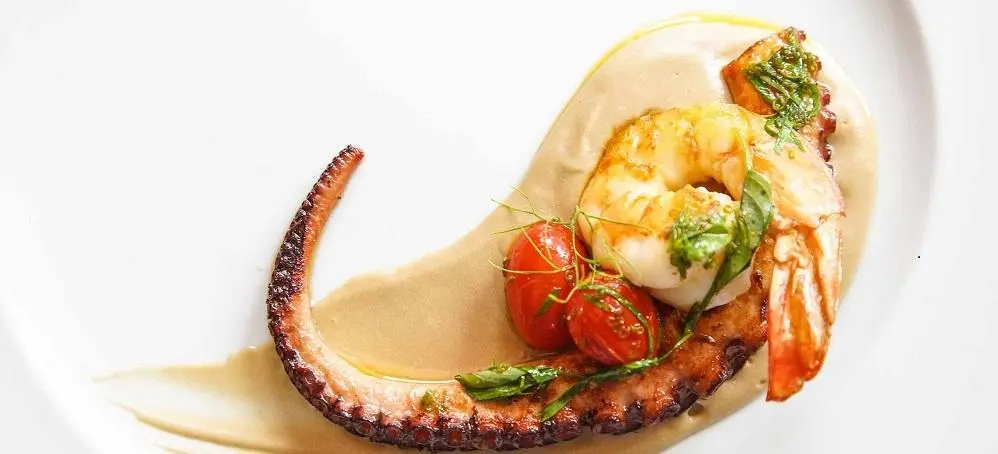
Shrimp, cod and other seafood can benefit from its deep savoury flavour. Foodservice chefs have specifically highlighted seafood as one of the useful applications for black garlic.
A black garlic glaze on grilled prawns or a black garlic butter over roasted fish can turn a familiar dish into something more distinctive.
The Ingredient Is Moving Beyond Fine Dining
Black Garlic Is Becoming Easier to Use
Previously, restaurants had to prepare black garlic themselves or source specialty products.
Now black garlic is increasingly available in different formats, including:
- Whole cloves
- Purée
- Paste
- Powder
- Sauces
- Seasoning blends
- Black garlic salt
Industry observations from the 2026 foodservice sector specifically point to liquid and powdered black garlic as convenient commercial-kitchen formats.
That matters because restaurants don’t necessarily need to build their entire dish around the ingredient.
A small amount can simply be added to an existing sauce, dressing or seasoning.
Why Consumers May Start Buying It at Home
Gourmet Food Is Moving Into Everyday Kitchens
The same pattern has happened with ingredients such as chilli crisp, yuzu, tahini and specialty vinegars.
Once consumers see an unusual ingredient repeatedly on restaurant menus and social media, they become more curious about using it at home.
Black garlic fits perfectly into this pattern.
A home cook doesn’t need to redesign a complete recipe.
A single black garlic clove can be mashed into:
- Pasta sauce
- Mayonnaise
- Butter
- Soup
- Dips
- Sandwich spreads
- Marinades
This makes the ingredient relatively easy to experiment with.
What Makes Black Garlic Different From Regular Garlic?
Same Ingredient, Completely Different Experience
| Regular Garlic | Black Garlic |
|---|---|
| Sharp | Mild |
| Pungent | Sweet and savoury |
| Firm | Soft and sticky |
| Fresh garlic aroma | Deep umami aroma |
| Common cooking ingredient | Premium specialty ingredient |
The transformation demonstrates an important modern food trend: consumers are becoming interested not only in ingredients, but also in what chefs can do to transform familiar ingredients.
What Could Happen Next?
Black Garlic Could Become a Mainstream Pantry Ingredient
Black garlic is still more specialised than ordinary garlic, but its versatility gives it strong potential.
It can be used in fine dining, cafés, bakeries, casual restaurants and home kitchens.
Recent industry trend reports already describe black garlic as moving beyond its niche status.
The next step could be its appearance in more packaged products such as sauces, spreads, seasoning mixes and ready-to-cook meals.
Conclusion
Black garlic proves that a food trend doesn’t always require a completely new ingredient.
Sometimes, changing the way a familiar ingredient is prepared can create an entirely new food experience.
Regular garlic has been part of kitchens for thousands of years. Now controlled aging is giving it a darker colour, softer texture and sweeter umami-rich personality.
From Hyderabad restaurants to international foodservice kitchens, black garlic is gradually moving from a niche gourmet ingredient toward a more mainstream menu item.
The next time you see a mysterious black ingredient on a restaurant plate, it may not be charcoal or truffle—it could simply be garlic transformed into something completely new.
Follow Us On Instagaram