

 By
By For generations, vegetables such as tinda, lauki, bhindi, tori and shalgam were associated with simple home cooking.
They were the vegetables that appeared on everyday lunch tables—not the ingredients people expected to find in an expensive restaurant.
But that perception is changing.
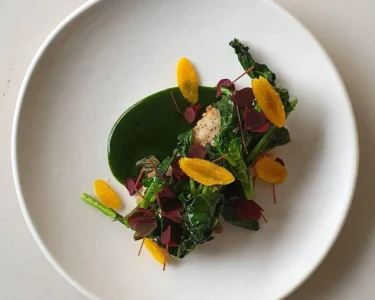
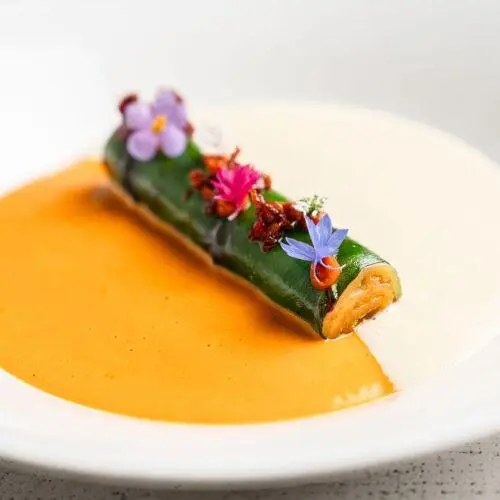
In October 2026, Indian fine-dining restaurants are increasingly reworking familiar vegetables into sophisticated dishes. Tinda, lauki, bhindi and other regional vegetables are appearing on premium menus, sometimes with completely different textures, techniques and presentations.
This isn’t simply another fusion-food trend.
It represents a bigger shift in Indian dining: what was once considered ordinary is becoming premium.
Why Are Everyday Vegetables Suddenly Becoming Gourmet?
The Definition of Luxury Food Is Changing
For a long time, expensive ingredients were associated with imported vegetables, exotic mushrooms, truffles, asparagus and other internationally recognised ingredients.
But modern Indian chefs are questioning that idea.
Why should an imported ingredient automatically be considered more sophisticated than a vegetable that has been grown and cooked in India for generations?
The answer is leading chefs back toward regional produce, traditional recipes and ingredients that were previously overlooked.
Recent Indian food coverage describes this as a growing interest in vegetables such as tinda, lauki, bhindi, yam, sweet potato, taro and ash gourd on premium menus.
“Ghar Ki Sabzi” Is Getting a New Identity
The interesting part is that chefs aren’t necessarily trying to hide these vegetables.
Instead, they are presenting them differently.
Tinda can be stuffed, roasted or grilled.
Lauki can be transformed into noodles or kebabs.
Bhindi can be crisped and used as a finishing element.
The ingredient remains recognisable, but the technique changes the way diners experience it.
Tinda Is Getting the Biggest Surprise
From Childhood Vegetable to Restaurant Dish
Tinda has never had the glamorous reputation of mushrooms or bell peppers.
For many Indians, it is strongly associated with home-cooked sabzi and childhood meals.
But restaurants are beginning to challenge that perception.
At Delhi’s Kikli, Chappanja Tinda appears among the vegetarian offerings, while other restaurants are experimenting with tinda through regional and contemporary preparations.
The interesting point isn’t simply that tinda is being served.
It’s that diners are willing to pay premium restaurant prices for an ingredient they may have previously considered completely ordinary.
Lauki Is Getting a Modern Makeover
Bottle Gourd Becomes Something Unexpected
Lauki is another vegetable experiencing a transformation.
At Avartana, the South Indian tasting-menu restaurant at ITC Maurya, bottle gourd has been transformed into noodle-like strands and served with plum chutney.
Elsewhere, lauki and tori have been used as the foundation for vegetarian versions of galouti kebabs.
This demonstrates an important restaurant technique:
Keep the ingredient familiar, but completely change the experience.
Instead of serving lauki as a conventional curry, the chef can alter its texture, shape, cooking method and presentation.
Bhindi Is Moving Beyond Bhindi Fry
Crunch Is Giving Okra a Premium Position
Bhindi has traditionally appeared in simple preparations such as bhindi fry, stuffed bhindi and bhindi masala.
Modern chefs are exploring its texture.
Thinly sliced bhindi can be fried until extremely crisp and used as a topping or finishing element.
This turns a familiar vegetable into something closer to a garnish, texture component or signature restaurant element.
The transformation is important because contemporary restaurants increasingly care about texture as much as flavour.
A soft curry can become more interesting when finished with something crunchy.
Why Are Diners Interested?
People Are Getting Tired of the Same Restaurant Menu
Indian restaurant menus have traditionally relied heavily on familiar favourites.
Butter chicken.
Paneer tikka.
Dal makhani.
Naan.
Biryani.
These dishes remain popular, but urban diners are increasingly looking for new experiences.
Recent Indian restaurant coverage points to growing interest in inventive tasting menus, seasonal specials and reimagined regional dishes.
That creates an opportunity for ingredients that diners already know—but have rarely experienced in a premium format.
Familiar Ingredient + Unexpected Presentation
This combination can be more powerful than using an entirely unfamiliar ingredient.
A diner may not know what an exotic vegetable tastes like.
But they already know tinda.
They simply haven’t tasted fine-dining tinda.
That curiosity can become part of the dining experience.
Local Ingredients Are Becoming the New Luxury
India Has an Ingredient Perception Problem
One of the most interesting observations from chefs is that India has never really lacked ingredients.
It has often lacked recognition for them.
Regional vegetables, fruits, grains, herbs and traditional ingredients exist across the country.
The new generation of chefs is looking at these ingredients as culinary opportunities rather than limitations.
That means local doesn’t automatically mean cheap anymore.
A seasonal regional vegetable with a carefully developed preparation can become a premium dish.
Restaurants Are Also Looking Back to Farmers
The Menu Can Begin With the Ingredient
Another emerging change in Indian restaurants is the relationship between chefs and farmers.
Instead of deciding on a recipe first and then searching for ingredients, some chefs are increasingly exploring what farmers are actually growing and developing dishes around those ingredients.
Recent restaurant-industry reporting describes farm visits becoming part of menu research, ingredient testing and culinary development.
This creates a different approach:
Farm → ingredient → experimentation → recipe → menu.
Rather than:
Recipe → shopping list → ingredient.
That could make seasonal and regional vegetables more important in future restaurant menus.
What Could Come Next?
Expect More Forgotten Ingredients on Premium Menus
If tinda, lauki and bhindi can become restaurant stars, many other ingredients could follow.
Chefs may increasingly experiment with:
- Kundru
- Parwal
- Arbi
- Shalgam
- Ash gourd
- Drumstick
- Raw banana
- Mahua
- Karonda
- Regional leafy greens
- Indigenous beans
Some of these ingredients are already appearing in experimental Indian menus.
The bigger opportunity is to rediscover foods that were never truly new—they were simply overlooked.
The Bigger Food Trend
Indian Fine Dining Is Looking Inward
The most important change isn’t actually about tinda.
It’s about where Indian chefs are finding inspiration.
Instead of constantly looking toward European ingredients and international restaurant styles, chefs are increasingly exploring Indian homes, regional kitchens, farms and forgotten culinary traditions.
That gives Indian food something extremely valuable:
a stronger sense of identity.
The future of Indian fine dining may therefore not depend on how many foreign ingredients a restaurant can import.
It may depend on how creatively it can use the ingredients already growing around us.
Conclusion
Tinda, lauki and bhindi may never sound as glamorous as truffle or asparagus.
But that may be exactly why their transformation is so interesting.
They represent a new idea of Indian luxury—one where familiarity itself can become premium.
A vegetable that once appeared on a family lunch table can now become a carefully plated tasting-menu dish.
And as chefs continue exploring regional ingredients, the next major restaurant trend may not come from another country.
It may come straight from your grandmother’s kitchen garden.
For Indian food, that could be one of the most exciting developments of 2026.
Follow Us On Instagaram