

 By
By For years, the food industry focused heavily on sweet, spicy, creamy and cheesy flavours. But a surprising flavour is now making its way back onto modern menus: bitter.
From fenugreek and mustard greens to bitter vegetables and complex herb blends, chefs are rediscovering flavours that were once considered too strong for mainstream diners.
The change is part of a wider 2026 food movement in which consumers are becoming more interested in distinctive regional ingredients, unusual flavour combinations and foods with a stronger sense of identity. Recent autumn food-trend coverage has specifically highlighted the return of bitter ingredients such as fenugreek.
Why Is Bitter Suddenly Interesting?
Consumers Are Moving Beyond Sweet and Spicy
Modern food trends often move in cycles.
Sweet flavours dominated cafés and desserts. Then came extreme chilli heat, sour combinations and fermented flavours.
Now chefs are looking for another way to create complexity.
Bitterness can provide balance.
A slightly bitter ingredient can stop a rich dish from becoming too heavy. It can also make sweet, salty, sour and spicy flavours feel more layered.
Instead of hiding bitterness, chefs are learning how to make it enjoyable.
Bitterness Creates a More Complex Taste
Think about coffee, dark chocolate, green tea or certain leafy vegetables.
None of these foods are naturally sweet, yet people around the world actively seek them out.
The same idea is now moving into restaurant cooking.
Chefs are using bitter ingredients as a deliberate flavour rather than treating bitterness as something that must be removed.
Fenugreek Is One Ingredient Benefiting From the Revival
Methi Gets a Modern Makeover
For Indian households, fenugreek is certainly not new.
Methi, or fenugreek, has been used for generations in Indian cooking.
Fresh methi leaves appear in dishes such as methi paratha, methi dal and vegetable preparations, while dried kasuri methi is commonly used to finish curries.
But modern chefs are looking at fenugreek differently.
Instead of using it only as a traditional ingredient, they are exploring its aroma, bitterness and savoury character in contemporary dishes.
Recent food-trend coverage has identified fenugreek among bitter ingredients returning to culinary attention.
From Home Kitchen to Restaurant Plate
Fenugreek can potentially appear in:
- Methi sourdough
- Fenugreek butter
- Methi pasta
- Methi cream sauces
- Fenugreek crackers
- Methi paneer
- Fenugreek-infused oils
- Modern flatbreads
- Methi-based dips
The ingredient is familiar enough for Indian consumers while still feeling distinctive when presented in a new format.
Bitter Greens Are Also Getting Attention
Vegetables Don’t Have to Taste Sweet
Another part of the trend is the renewed interest in naturally bitter greens.
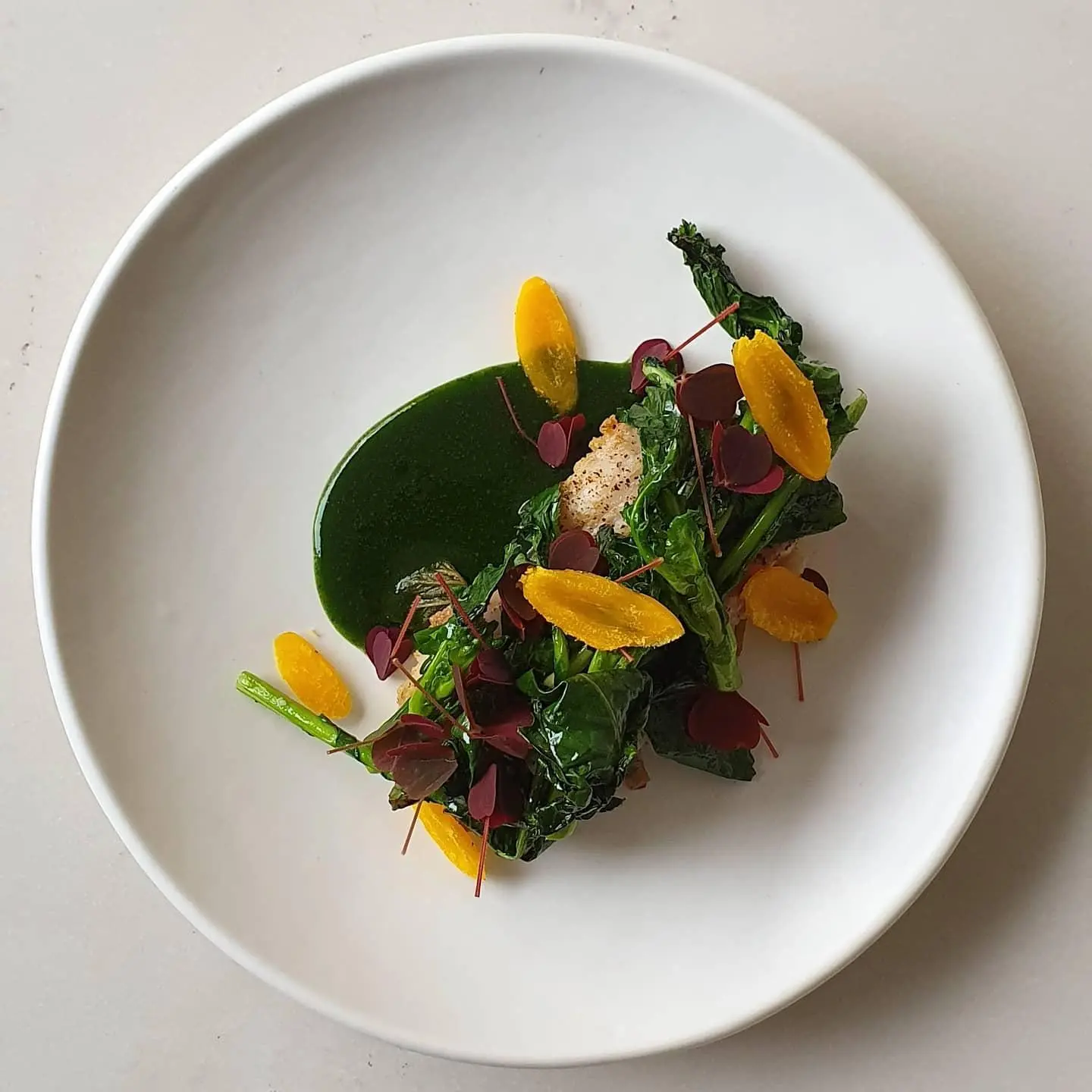
Ingredients such as mustard greens, radicchio and other bitter leafy vegetables can add sharpness and depth to a dish.
Instead of covering them with heavy sauces, chefs can balance their bitterness with:
Honey
Citrus
Fermented sauces
Cream
Nuts
Chilli
This creates a more sophisticated flavour structure.
The Sweet-and-Bitter Combination
One of the easiest ways to make bitter flavours approachable is to combine them with sweetness.
Dark chocolate with orange is a classic example.
Modern chefs can apply the same principle to savoury food.
For example, bitter greens can be paired with a slightly sweet glaze, while fenugreek can be combined with caramelised onion or mildly sweet sauces.
The contrast makes the dish more interesting.
Why This Trend Fits Indian Cuisine
India Already Has a Rich Bitter-Food Tradition
India doesn’t need to discover bitter flavours.
They have always existed in regional cooking.
Neem flowers, methi, karela, mustard greens and other ingredients demonstrate that Indian cuisine has long understood how bitterness can be balanced.
What is changing is how these ingredients are presented.
A traditional ingredient can now appear in a modern café, tasting menu or fusion dish.
This connects perfectly with the broader Indian restaurant trend toward regional ingredients and creative reinterpretations. Recent Indian menu coverage shows restaurants increasingly combining regional flavours with global techniques and formats.
Bitter Could Become a Premium Flavour
Chefs Are Selling Complexity
In the past, consumers often judged food by asking:
“Is it tasty?”
Modern diners are increasingly interested in a different question:
“What flavours am I tasting?”
That creates an opportunity for bitter ingredients.
A chef can build a dish around multiple layers:
Sweet → sour → spicy → bitter → savoury.
This creates a more memorable eating experience.
Instead of adding ten ingredients simply for decoration, one distinctive bitter ingredient can provide an important part of the dish’s identity.
Cafés Could Join the Trend
Bitter Isn’t Only for Main Courses
The trend could also move into beverages.
Coffee already provides bitterness, but cafés can experiment with bitter botanical ingredients, roasted grains, herbs and spice combinations.
This could lead to more sophisticated drinks that are less dependent on extreme sweetness.
For example:
- Fenugreek cold drinks
- Bitter herbal iced teas
- Methi-infused savoury beverages
- Bitter chocolate drinks
- Herbal mocktails
- Coffee-and-spice combinations
The larger opportunity is to make bitter flavours approachable rather than intimidating.
Social Media Could Make Bitter Food Interesting Again
Unusual Ingredients Create Curiosity
Food trends increasingly spread through visual discovery.
A bright purple ingredient, unusual texture or dramatic cheese pull can attract attention online.
Bitter foods may take a different route.
Instead of relying only on colour, they can become interesting through storytelling.
A restaurant might introduce a dish with:
“The flavour you were taught to dislike.”
That instantly creates curiosity.
The story becomes part of the dining experience.
What Comes Next?
The Future May Be Less About One Viral Ingredient
The bigger trend isn’t necessarily fenugreek itself.
It is the growing willingness to explore less familiar flavour profiles.
After years of viral sweet desserts, extremely spicy foods and colourful drinks, diners may increasingly want foods that feel more mature, regional and complex.
Bitter ingredients fit that movement perfectly.
They don’t necessarily need to become the next viral food.
They simply need to become more accepted.
Conclusion
The return of bitter flavours shows how food trends can bring old ingredients back in completely new ways.
Fenugreek, mustard greens and other bitter ingredients are not new foods. They are traditional ingredients being rediscovered by modern chefs.
For India, this trend is especially interesting because the country’s cuisines already contain a deep knowledge of balancing bitterness with sweetness, spice, sourness and richness.
The next big food trend may therefore not be another exotic ingredient.
It could be a flavour that has been sitting in Indian kitchens for generations.
Bitter is no longer something chefs need to hide. It may become one of the flavours that defines the next generation of modern food.
Follow Us On Instagaram