 By
By Apple’s AI-Powered Smart Home Revolution: How HomeView and the New HomePod Are Changing Everyday Living
Apple is taking another major step into the smart home electronics market in October 2026. With the introduction of its HomeView smart display, updated HomePod mini 2, and refreshed Apple TV 4K, the company is expanding its ecosystem beyond smartphones, laptops, and wearable devices. The main focus is on making connected homes easier to control with artificial intelligence, voice commands, and seamless device integration.
Apple HomeView: A New Smart Home Experience
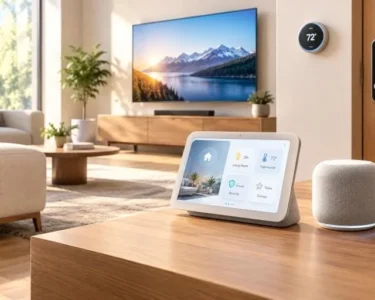
One of the biggest highlights of Apple’s latest smart home announcements is HomeView, a smart display designed to bring everyday household controls into one convenient place. The device combines a screen, communication features, and smart home management capabilities.
Users can access compatible smart home devices, check household information, and interact with Siri through a centralized interface. Its camera and FaceTime capabilities also make it useful for communicating with family members.
The idea is simple: instead of opening different applications to control lights, check cameras, or adjust compatible devices, users can manage more of their home from a single screen. Apple hopes this convenience will make smart home technology more practical for everyday users.
Siri AI Takes Center Stage
Artificial intelligence is becoming an important part of modern electronics, and Apple is working to make Siri more useful in daily routines. With its latest smart home direction, Apple aims to make voice interactions more natural and connected to the devices people already use.
Imagine asking Siri to adjust your compatible thermostat, turn off the lights, or help manage your entertainment setup. A well-integrated assistant could reduce the number of manual steps needed to complete these tasks.
However, the real test will be how reliably Siri understands requests and works across different applications and smart home accessories. Customers will also want to know which features require newer hardware, software updates, or compatible devices.
HomePod mini 2: Smarter Audio for Modern Homes
Apple’s updated HomePod mini 2 brings renewed attention to compact smart speakers. These devices are designed for users who want music playback, voice assistance, and convenient smart home controls without dedicating much space to their electronics.
The HomePod mini 2 is intended to fit naturally into bedrooms, kitchens, offices, and living rooms. Its role in Apple’s ecosystem could become more important as users connect speakers with compatible home accessories and Apple TV devices.
For existing Apple users, the attraction is the potential convenience of controlling several functions through a familiar interface. Before purchasing, however, customers should check compatibility, regional availability, supported Siri features, and the final local price.
Apple TV 4K and Connected Entertainment
Apple is also strengthening its home entertainment offering with an updated Apple TV 4K. A streaming device can provide access to compatible video services, applications, and other entertainment features through a television.
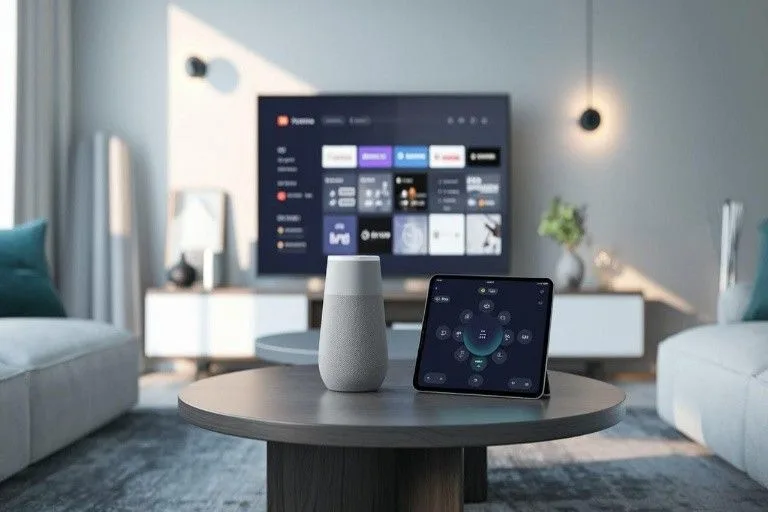
When integrated with smart speakers and other compatible devices, the television can become part of a wider connected-home experience. This could make it easier to manage entertainment, use voice commands, and coordinate certain household functions.
For consumers who already own multiple Apple products, the advantage is the possibility of a more consistent experience across devices. Nevertheless, buyers should compare the price and features with competing streaming platforms before upgrading.
Privacy and Compatibility Matter
Smart home electronics offer convenience, but they also introduce important questions about privacy and security. Cameras, microphones, connected locks, and other network-enabled devices need appropriate protections.
Apple’s emphasis on privacy is an important part of its smart home strategy, but consumers should still review device permissions, account security, software updates, and camera settings. Strong passwords and two-factor authentication can provide additional protection.
Compatibility is equally important. Not every accessory will support every feature, and some functions may depend on particular operating systems, hardware generations, or regional restrictions. Checking the specifications before buying can help avoid unnecessary expenses.
What This Means for the Future of Apple Electronics
Apple’s latest smart home direction reflects a wider electronics industry trend: devices are becoming more connected, and AI is increasingly being used to simplify everyday tasks.
The company’s challenge is to make these products useful enough to justify their cost. Consumers will expect reliable voice controls, straightforward setup, meaningful improvements, and dependable integration across their devices.
For technology enthusiasts, smart home users, and existing Apple customers, these announcements make Apple’s connected-home strategy worth watching. The success of this approach will depend on real-world performance, affordability, privacy, and the number of useful features available to customers.