 By
By Apple’s Smart Home Revolution: How HomeView and AI-Powered Devices Are Changing Everyday Life in 2026
Introduction
Apple continues to expand its presence in consumer electronics, and smart home technology is becoming its latest area of focus. On October 13, 2026, Apple introduced a new range of home products, including the HomeView smart display, an upgraded HomePod mini, a new Apple TV 4K, and connected home accessories. These products highlight Apple’s ambition to make everyday home activities more convenient through artificial intelligence (AI), voice commands, and connected devices.
The announcement is an important development for technology enthusiasts because it brings Apple’s ecosystem deeper into the living room, kitchen, and other areas of the home.
Apple HomeView: A New Smart Display
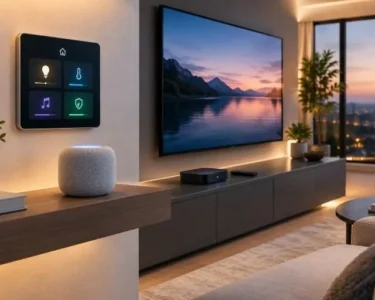
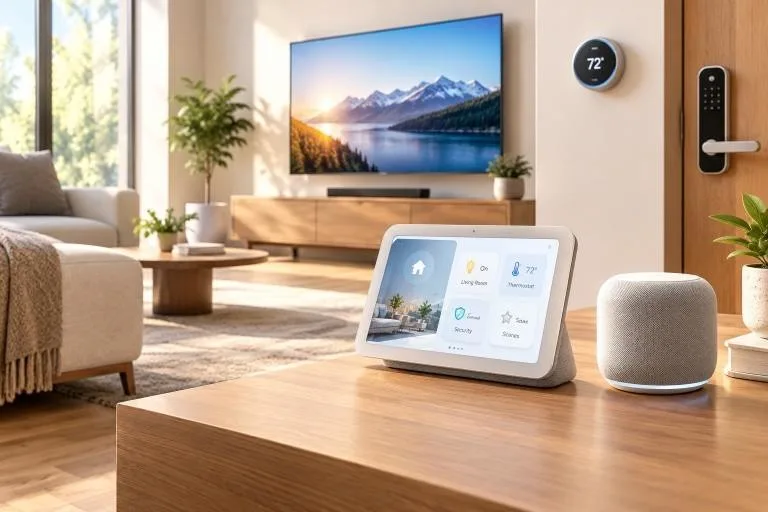
One of the biggest highlights is Apple HomeView, a smart display designed to serve as a central control point for connected home devices. Featuring a seven-inch screen, the device combines smart home controls, communication, and Siri-powered assistance in a single product.
Users can interact with Siri, manage compatible smart accessories, view information, and make FaceTime calls. Its personalized experience aims to make the display useful for multiple household members.
For example, users could check their schedules, control compatible lighting, adjust thermostats, or communicate with family members without repeatedly reaching for their smartphones. The device is designed to make home technology feel more accessible and integrated into daily routines.
Siri AI Makes Smart Homes More Convenient
Artificial intelligence is a major part of Apple’s latest smart home strategy. An upgraded Siri experience is intended to make voice interactions and connected-device controls more useful.
Instead of relying entirely on manual commands, AI-powered assistants can help users interact with devices in a more natural way. Smart home technology can simplify everyday tasks, from managing entertainment to controlling compatible household accessories.
However, the quality of the experience will depend on Siri’s ability to understand requests accurately, support useful features, and work consistently with connected devices. Apple’s success will depend on how effectively these capabilities perform in real-world homes.
Upgraded HomePod Mini and Apple TV 4K
Apple has also refreshed its home entertainment lineup. The upgraded HomePod mini focuses on connected audio and smart home functionality, while the new Apple TV 4K continues Apple’s approach to home entertainment.
Together, these products can help users create a more connected environment for music, movies, television, and voice-controlled interactions.
For instance, a household could use HomePod speakers for music, Apple TV for streaming entertainment, and HomeView to manage supported accessories. The appeal lies in having multiple products work together rather than operating as separate pieces of technology.
Smart Security and Home Automation
Apple’s new Home Collection expands the smart home experience beyond entertainment. Developed with partners including LG Electronics and Schneider Electric, the collection includes products such as smart locks, video doorbells, security cameras, and thermostats.
These devices can help homeowners monitor entry points, manage indoor temperatures, and control selected household functions remotely. Compatibility with supported smart home standards is also important because consumers often own products from different manufacturers.
Security and privacy will remain essential considerations. Buyers should check device compatibility, software support, subscription requirements, and available privacy controls before investing in a connected home setup.
What This Means for Consumers in India
For Indian consumers, Apple’s expanding smart home ecosystem could offer an interesting option for building a connected living space. However, local availability, pricing in rupees, regional feature support, and compatibility with existing appliances will influence adoption.
Consumers should also consider their internet reliability, home Wi-Fi coverage, and whether their current devices support Apple’s smart home platform. Starting with one or two useful products may be more practical than purchasing an entire ecosystem immediately.
Premium pricing could remain a barrier for some households, particularly when affordable alternatives are already available. The value will depend on reliability, ease of use, privacy, and how well the products work together.
Challenges and Competition
Apple faces strong competition from established smart home platforms, including Amazon Alexa and Google Home. Consumers will compare the quality of voice assistance, supported devices, affordability, and flexibility across different ecosystems.
Another challenge is ensuring that AI features deliver meaningful benefits rather than simply adding new ways to perform existing tasks. Software updates, dependable connectivity, and long-term product support will be important to customer satisfaction.