

 By
Introduction
India is famous for its rich dessert traditions, where milk, cream, nuts and aromatic spices come together to create unforgettable flavours. From rasgulla and gulab jamun to regional sweets prepared using age-old techniques, Indian desserts continue to attract food lovers.
One sweet gaining attention in recent food coverage is Palang Tod Mithai from Varanasi, Uttar Pradesh. This distinctive dessert is known for its multiple cream layers and rich ingredients. Its unusual name, traditional preparation and attractive appearance have made it an interesting topic for food enthusiasts and social media audiences.
What Is Palang Tod Mithai?
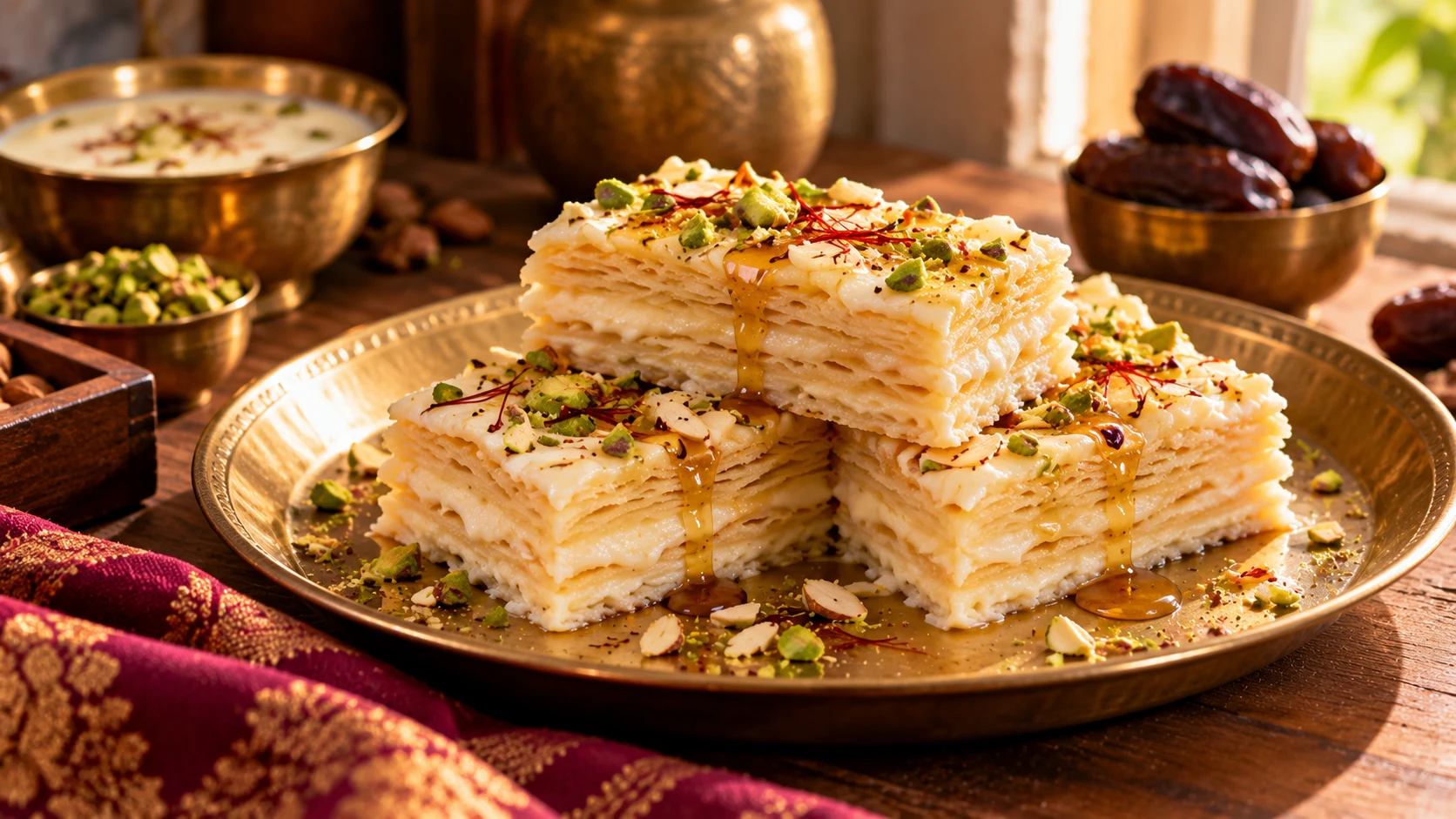
Palang Tod Mithai, also known as Palangtor, is a traditional Indian sweet associated with Varanasi. It is described as a layered cream dessert made with delicate layers of dairy cream, aromatic cardamom, saffron and date jaggery juice.
Its appeal comes from the combination of creamy textures, fragrant spices and natural sweetness. Unlike many familiar Indian sweets shaped into balls or diamonds, this dessert stands out through its layered presentation.
Traditional sweets like this demonstrate how regional Indian food culture preserves distinctive recipes while attracting interest from new generations of food lovers.
Why Is This Traditional Sweet Getting Attention?
Food trends often emerge when a regional speciality reaches a wider audience through news coverage, photographs and social media discussions. Palang Tod Mithai offers several elements that make it an interesting subject for food content.
Its unusual name immediately creates curiosity. Its delicate layers make it visually distinctive, while the use of cream, saffron and traditional sweetening ingredients gives it a rich flavour profile.
However, online attention does not necessarily mean that a dish has become universally popular. It is more accurate to describe Palang Tod Mithai as a traditional sweet receiving renewed attention rather than claiming it is the most popular dessert in India.
The Rich Ingredients Behind Its Flavour
The ingredients used in traditional Indian sweets often determine their taste, aroma and texture. Palang Tod Mithai is associated with several ingredients that work together to create its characteristic richness.
Cream provides a smooth, luxurious texture. Cardamom contributes a warm, fragrant aroma, while saffron adds a distinctive flavour and golden colour. Date jaggery juice provides sweetness with its own characteristic taste.
The balance between these ingredients is important. Too much sweetness can overpower the delicate dairy flavour, while aromatic spices should complement rather than dominate the dessert.
As with any dairy-based sweet, proper preparation, refrigeration and safe handling are important to maintain freshness and quality.
Varanasi’s Rich Tradition of Indian Sweets
Varanasi is well known for its cultural heritage, historic streets and distinctive food traditions. Its sweet shops offer a variety of traditional Indian desserts that reflect regional preferences and culinary craftsmanship.
Exploring local sweets provides a way to understand how ingredients, preparation techniques and family traditions shape a region’s food identity. Some recipes are widely recognised across India, while others remain closely associated with particular cities or communities.
Palang Tod Mithai offers an example of why regional food deserves attention. Discovering these specialities encourages people to look beyond familiar desserts and appreciate India’s diverse culinary heritage.
How Traditional Sweets Become Social Media Trends
Food content performs well visually when it shows interesting textures, colourful ingredients and distinctive presentation. Layered desserts are particularly suitable for photography because their structure can be highlighted through close-up images.
Food bloggers can create engaging content by showing the dessert’s layers, describing its ingredients and explaining its regional background. Short videos can focus on serving, texture and presentation without making exaggerated claims about taste or popularity.
Authenticity is essential. Creators should distinguish between documented information about a traditional dish and personal opinions about its flavour. This approach helps readers understand the food while building trust with the website.
Can You Try a Similar Dessert at Home?
If you enjoy creamy Indian desserts, you can explore other layered milk-based sweets at home. A simple dessert made with chilled cream, cardamom, a little saffron and an appropriate sweetener can provide a similar flavour inspiration.
Use pasteurised dairy products, keep the dessert refrigerated and follow safe food-handling practices. A homemade variation should not be presented as an authentic Palang Tod Mithai recipe unless it follows a verified traditional preparation method.
For the original experience, learning about the sweet from reputable local confectioners or documented regional food sources is a better way to understand its preparation.
What Makes Regional Indian Desserts Special?
Regional desserts tell stories about local ingredients, celebrations, craftsmanship and culinary history. Their importance goes beyond sweetness because they preserve knowledge passed down through generations.
Exploring these dishes can also inspire modern food businesses, recipe developers and content creators to highlight lesser-known specialities. Presenting traditional foods respectfully helps introduce new audiences to regional culinary heritage without losing sight of their origins.
Conclusion
Palang Tod Mithai from Varanasi is an interesting example of India’s diverse dessert culture. Its layered cream texture, aromatic spices and distinctive regional identity make it a compelling subject for food enthusiasts and food websites.
As traditional Indian dishes receive attention through digital media, regional sweets offer opportunities to discover new flavours and appreciate culinary craftsmanship. Whether you are exploring local desserts or researching food trends, Palang Tod Mithai is a reminder that some of India’s most fascinating food stories begin with local traditions.
Follow Us On Instagaram