

 By
Introduction: Health Is More Than Following a Routine
Health and wellness have become important topics in everyday life. People are increasingly interested in balanced nutrition, quality sleep, physical activity, mental well-being, and preventive healthcare.
However, a new wellness conversation is emerging in 2026: taking care of your health should not feel like a competition. Constantly checking fitness scores, counting every activity, and following complicated routines can sometimes create unnecessary pressure.
A healthy lifestyle does not require expensive products or complicated schedules. Simple habits, followed consistently, can support overall well-being. The goal is to create a routine that feels comfortable, practical, and sustainable.
Why Is Simple Wellness Trending in 2026?
Modern wellness is moving beyond appearance-focused goals and complicated routines. More attention is being given to everyday habits that support physical and mental well-being.
Some important reasons include:
- Preventive healthcare: People are becoming more interested in maintaining health before problems develop.
- Better sleep awareness: Quality rest is receiving greater attention.
- Balanced nutrition: Everyday food choices are an important part of wellness.
- Mental well-being: Relaxation and stress management are increasingly discussed.
- Sustainable routines: Simple habits are easier to maintain than demanding schedules.
1. Start Your Morning with a Balanced Breakfast
Breakfast can be an enjoyable opportunity to include different food groups in your daily routine.
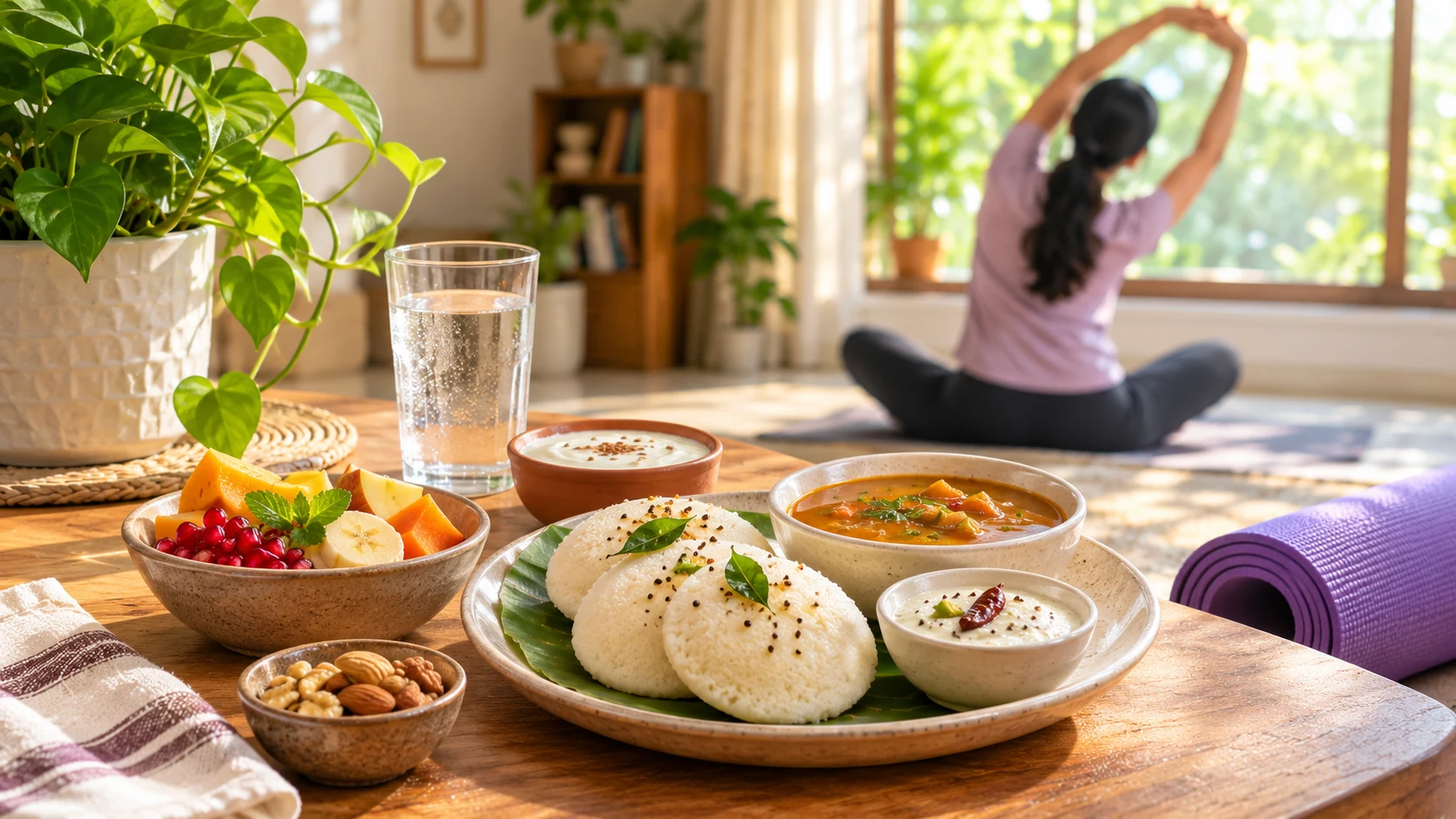
Traditional Indian breakfast options such as idli with sambar, vegetable upma, dosa with chutney, and vegetable poha can provide variety.
Try including different ingredients such as vegetables, pulses, dairy products, fruits, and nuts according to your preferences.
Helpful tip: Choose a breakfast that suits your appetite, daily routine, and nutritional needs.
2. Stay Hydrated Throughout the Day
Water is essential for normal body functions, including temperature regulation and digestion.
Developing regular drinking habits can help you stay hydrated throughout the day. Carrying a reusable water bottle and drinking water with meals are simple ways to remember.
Fresh fruits and vegetables also contribute water to your diet.
Helpful tip: Pay attention to thirst and your daily routine rather than following unrealistic water-intake challenges.
3. Make Quality Sleep a Priority
Sleep supports physical recovery, learning, memory, and emotional well-being.
A consistent bedtime routine can make it easier to prepare for rest. Keeping your sleeping environment comfortable and reducing stimulating screen activities before bedtime may also help.
Avoid treating sleep-tracking scores as a measure of personal success. Different people have different sleep needs.
Helpful tip: Create a relaxing bedtime routine that you can comfortably maintain.
4. Include Enjoyable Physical Activity
Regular physical activity supports general health, mobility, and well-being.
You do not need complicated equipment to get started. Walking, cycling, dancing, swimming, yoga, and playing outdoor games are examples of enjoyable activities.
Choose activities that suit your interests and abilities. Take breaks when needed and avoid comparing your activity levels with other people.
Helpful tip: Find an activity that you enjoy instead of treating movement as a punishment or competition.
5. Eat a Variety of Nutritious Foods
A balanced diet includes different food groups that provide the nutrients needed for normal body functions.
Consider including:
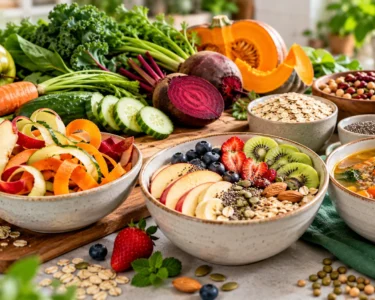
- Fruits and vegetables.
- Whole grains such as oats, millets, and brown rice.
- Protein sources such as lentils, beans, eggs, and dairy.
- Nuts and seeds.
- Suitable sources of healthy fats.
Traditional Indian meals can offer plenty of variety when prepared with different ingredients.
Helpful tip: Enjoy a variety of foods rather than following unnecessary restrictive diets or eliminating entire food groups.
6. Take Breaks from Screens
Digital devices are part of modern education, communication, and entertainment. However, spending long periods looking at screens without breaks can contribute to eye discomfort and interfere with relaxation.
Try stepping away from screens between activities. Look at distant objects, stretch gently, spend time outdoors, or enjoy a conversation with family members.
Avoid unnecessary screen use when preparing for bedtime.
Helpful tip: Make time for offline activities such as reading, drawing, gardening, or playing games.
7. Give Importance to Mental Well-Being
Mental well-being is an important part of overall health. School, work, family responsibilities, and everyday challenges can sometimes feel overwhelming.
Simple activities such as listening to music, spending time with friends, practising a relaxing hobby, or talking with someone you trust can support emotional well-being.
It is also important to remember that everyone has difficult days. You do not need to maintain a perfect routine every day.
Helpful tip: If stress or emotional difficulties continue to affect daily life, consider speaking with a trusted adult or qualified health professional.
Common Wellness Mistakes to Avoid
While exploring health trends, it is important to distinguish useful habits from unrealistic promises.
- Do not believe every health claim shared on social media.
- Avoid unnecessary food restrictions.
- Do not compare your sleep or activity scores with others.
- Do not rely on supplements without appropriate professional advice.
- Avoid treating wellness as a competition.
- Seek reliable medical guidance when health concerns arise.
Conclusion: Small Healthy Habits Can Make a Difference
A healthy lifestyle is not about achieving perfection or following every new wellness trend. It is about creating practical habits that support physical, mental, and emotional well-being.
Balanced meals, adequate sleep, enjoyable physical activity, hydration, screen breaks, and meaningful social connections are useful parts of everyday wellness.
For 2026, the important message is simple: take care of yourself without unnecessary pressure. Focus on habits that make your everyday life healthier, happier, and more balanced.
Follow Us On Instagaram