

 By
Health & Wellness | November 2, 2026
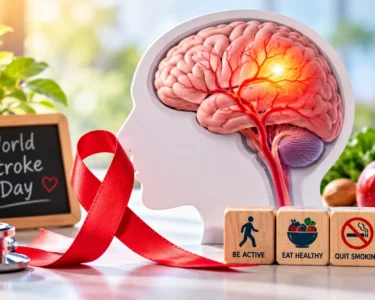
A stroke is a serious medical emergency that can affect people of different ages. It happens when blood flow to part of the brain is interrupted or when a blood vessel in the brain bursts. Without an adequate blood supply, brain cells can become damaged.
Recognising the warning signs early is extremely important. A person experiencing a stroke may suddenly have difficulty speaking, walking, seeing or moving one side of the body. Knowing the simple phrase BE FAST can help people recognise possible symptoms and seek emergency medical care without delay.
What Is a Stroke?
A stroke occurs when part of the brain does not receive the blood and oxygen it needs. There are two major types:
- Ischaemic stroke: Occurs when a blood clot blocks blood flow to part of the brain.
- Haemorrhagic stroke: Occurs when a blood vessel in the brain ruptures and causes bleeding.
Both types require urgent medical attention. Only healthcare professionals using appropriate medical tests can determine the type of stroke and the right treatment.
What Does BE FAST Mean?
BE FAST is a simple way to remember common stroke warning signs.
B – Balance
A person may suddenly experience dizziness, loss of balance, difficulty walking or problems with coordination. Sudden unexplained trouble standing or walking should not be ignored.
E – Eyes
Sudden vision changes can be a warning sign. These may include blurred vision, double vision or loss of vision in one or both eyes.
F – Face
Ask the person to smile. Does one side of the face appear uneven or droop? Sudden facial weakness or numbness may indicate a stroke.
A – Arms
Ask the person to raise both arms. Does one arm drift downward, or is one arm suddenly weak or difficult to lift? This can be an important warning sign.
S – Speech
Listen carefully when the person speaks. Their speech may sound unclear, slurred or unusual. They may also have difficulty understanding simple sentences.
T – Time to Call Emergency Services
If any of these symptoms appear suddenly, seek emergency medical help immediately. In India, call 112 for emergency assistance. Note the time when the symptoms first appeared, if possible.
Do not wait to see whether the symptoms disappear.
Why Is Early Medical Attention Important?
The brain depends on a continuous supply of oxygen and nutrients through the bloodstream. When blood flow is interrupted, brain tissue can become damaged.
Getting medical attention quickly gives healthcare professionals the opportunity to assess the condition and determine which treatments may be appropriate.
Treatment depends on the type of stroke, the time symptoms began, medical history and other clinical factors. Some treatments are time-sensitive, which is why delaying emergency care can be dangerous.
Who May Have a Higher Risk of Stroke?
Several health conditions and lifestyle factors can increase stroke risk. These include:
- High blood pressure.
- Diabetes.
- High cholesterol.
- Certain heart conditions, including atrial fibrillation.
- Smoking and tobacco use.
- Physical inactivity.
- Excessive alcohol consumption.
Age and family history can also influence risk. However, a stroke can happen even when someone does not have obvious risk factors.
Regular medical check-ups can help identify conditions that may need attention.
Everyday Habits That Support Brain and Heart Health
Although not every stroke can be prevented, managing health conditions and following healthy habits can help reduce risk.
1. Monitor Blood Pressure
High blood pressure is an important stroke risk factor. Regular checks and appropriate medical care can help manage it.
2. Stay Physically Active
Choose enjoyable physical activities such as walking, cycling, dancing or playing a sport. Follow activity recommendations appropriate for your age and health.
3. Eat a Balanced Diet
Include vegetables, fruits, whole grains, pulses, nuts and other nutritious foods. Limit foods that are particularly high in salt and avoid relying heavily on highly processed meals.
4. Manage Diabetes and Cholesterol
People with diabetes or high cholesterol should follow their healthcare professional’s advice and attend recommended check-ups.
5. Avoid Tobacco
Avoid smoking and other tobacco products. Seek professional support if you need help stopping tobacco use.
6. Follow Medical Advice
Take prescribed medicines as directed and discuss any concerns or side effects with a qualified healthcare professional. Do not start or stop medication without medical advice.
What Should You Do If You Notice Stroke Symptoms?
Remember these important points:
- Call emergency services immediately.
- Note the time when symptoms first appeared.
- Keep the person safe and comfortable while waiting for help.
- Follow instructions from emergency professionals.
- Do not give food, drink or medication unless instructed by a healthcare professional.
- Do not drive the person yourself if emergency transport is available.
Even if symptoms improve or disappear after a short time, urgent medical assessment is still necessary. A temporary episode can be a warning of a future stroke.
Conclusion
Stroke awareness can make an important difference in an emergency. Remembering BE FAST helps people recognise sudden changes in balance, eyesight, facial movement, arm strength and speech.
The most important message is simple: recognise the signs, call emergency services and act quickly. Awareness, timely medical attention and regular health check-ups all play important roles in protecting brain and heart health.
Have you heard of the BE FAST method before? Share this awareness message with your family and friends.
Medical disclaimer: This article is for general health education and does not replace professional medical advice. Suspected stroke symptoms require immediate emergency assessment.
Follow Us On Instagaram