

 By
Diwali is a time for celebrations, family gatherings, sweets and delicious festive meals. During the celebrations, everyday routines can change. People may eat at different times, enjoy more sweets and snacks, sleep later than usual or spend less time being physically active.
After the celebrations, returning to a regular routine can help support everyday wellbeing. The good news is that you do not need extreme diets, expensive products or special detox drinks to get back on track. Simple, consistent habits are a better place to start.
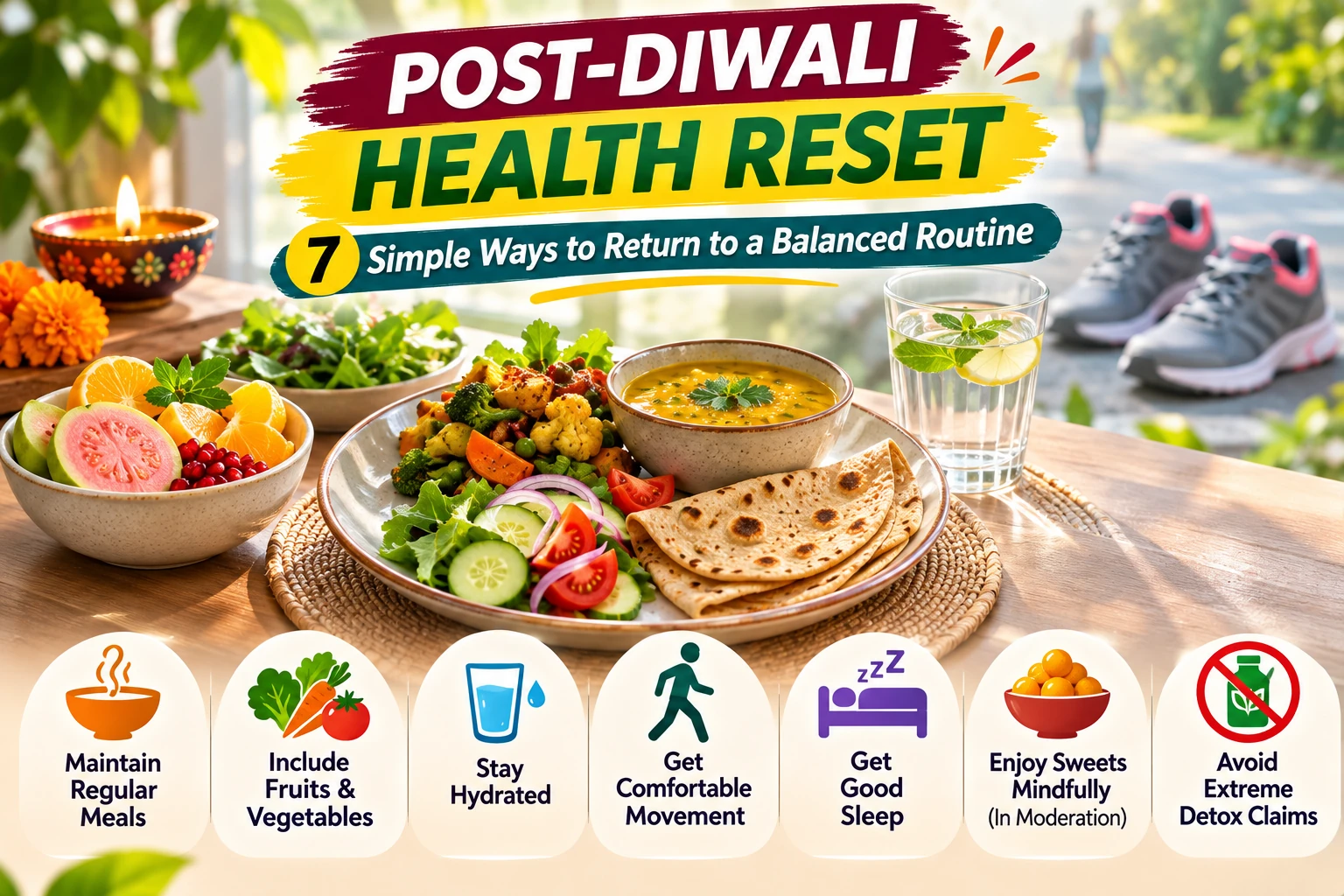
Here are seven practical ways to build a balanced routine after Diwali.
1. Return to Regular Meal Timings
Festive celebrations can make meal timings unpredictable. You might have a late breakfast, skip lunch or snack throughout the evening.
Try returning to a regular eating schedule that suits your daily routine. Include breakfast, lunch and dinner at comfortable times, with snacks when you feel hungry.
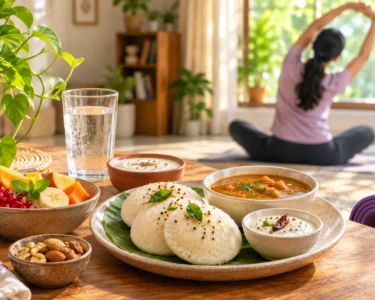
A balanced meal can include vegetables, whole grains, pulses and a suitable protein source. For example, dal with rice and vegetables or chapati with vegetable curry and curd can make a satisfying everyday meal.
Avoid skipping meals to compensate for festive eating.
2. Include More Fruits and Vegetables
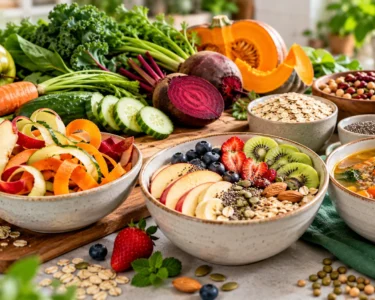
After several days of rich festive meals, adding fresh fruits and vegetables is a simple way to bring variety back to your plate.
Choose foods that are locally available, such as:
- Papaya, guava, oranges and bananas
- Carrots, cucumber and tomatoes
- Spinach and other leafy vegetables
- Beans, peas and seasonal vegetables
Try adding a fruit to breakfast or including at least one vegetable preparation with lunch and dinner.
Different-coloured fruits and vegetables provide different nutrients, so variety is useful.
3. Drink Enough Water
Busy celebrations, travel and changes in routine can sometimes affect your usual water intake.
Keep water available during the day and drink regularly. Your needs may vary depending on the weather, activity level and individual health.
Coconut water, soups and water-rich fruits can also contribute to fluid intake. However, plain drinking water is usually a convenient everyday choice.
You do not need special detox water to cleanse your body. Your liver and kidneys already perform important functions that help process and remove waste.
4. Get Back to Comfortable Physical Activity
You do not need an intense workout to restart physical activity.
Begin with activities that feel comfortable, such as:
- A relaxed walk
- Cycling at a comfortable pace
- Dancing to your favourite music
- Light stretching
- Playing an outdoor game
If you have been inactive, start gradually and increase activity according to your ability. Regular movement supports heart health, mood and general wellbeing.
If you have a medical condition or have been advised to limit activity, follow your healthcare professional’s guidance.
5. Restore a Consistent Sleep Schedule
Late-night celebrations, travel and social events can disturb regular sleep timings.
Try returning to a consistent bedtime and wake-up time. A relaxing bedtime routine can help you prepare for sleep.
A few useful habits include:
- Reduce screen use before bedtime.
- Keep your sleeping space comfortable and quiet.
- Avoid heavy meals immediately before sleeping when possible.
- Give yourself enough time to rest.
Good sleep supports concentration, mood and everyday functioning.
6. Enjoy Festive Sweets Without Guilt
Eating sweets during Diwali is part of the celebration for many families. There is no need to feel guilty about enjoying festive foods.
Instead of following restrictive rules, return to your usual balanced eating pattern. Keep sweets as an occasional part of your meals and pay attention to your hunger and fullness.
Remember that jaggery, honey and brown sugar are also sources of sugar. Calling something natural does not automatically make it suitable in unlimited quantities.
People managing diabetes or other health conditions should follow the personalised food advice given by their healthcare team.
7. Avoid Extreme Detox Plans
After festivals, social media often promotes juice cleanses, detox drinks, fasting challenges and quick-fix plans.
Be careful with such claims. There is no need to punish yourself for enjoying festive food. Restrictive diets and unverified detox products can be unnecessary and may not be appropriate for everyone.
A more practical approach is to:
- Eat regular, balanced meals.
- Include a variety of fruits and vegetables.
- Drink enough water.
- Sleep consistently.
- Stay comfortably active.
- Seek professional advice for specific health concerns.
Small habits practised regularly are more useful than short-term extreme plans.
A Simple Daily Routine After Diwali
Morning: Wake up at a consistent time, drink water and have a balanced breakfast.
Afternoon: Enjoy a meal containing vegetables, whole grains and pulses or another suitable protein source.
Evening: Take a comfortable walk, spend time outdoors or enjoy a relaxing activity.
Night: Have dinner at a suitable time, reduce screen distractions and follow a calming bedtime routine.
Adapt this routine to your school, work, family schedule and individual needs.
Final Thoughts
The days after Diwali are a good opportunity to return to everyday habits that support your wellbeing. You do not need a strict diet, a complicated fitness plan or a special detox programme.
Start with regular meals, colourful fruits and vegetables, enough water, comfortable movement and consistent sleep. Make changes gradually and choose habits that you can maintain.
What is the first healthy routine you are returning to after Diwali: regular meals, better sleep, more water or daily walking? Share your thoughts in the comments!
Disclaimer: This article provides general health information and is not a substitute for medical advice. People with diabetes, kidney disease or other medical conditions should consult a qualified healthcare professional before making significant dietary or activity changes.
Follow Us On Instagaram