


 By
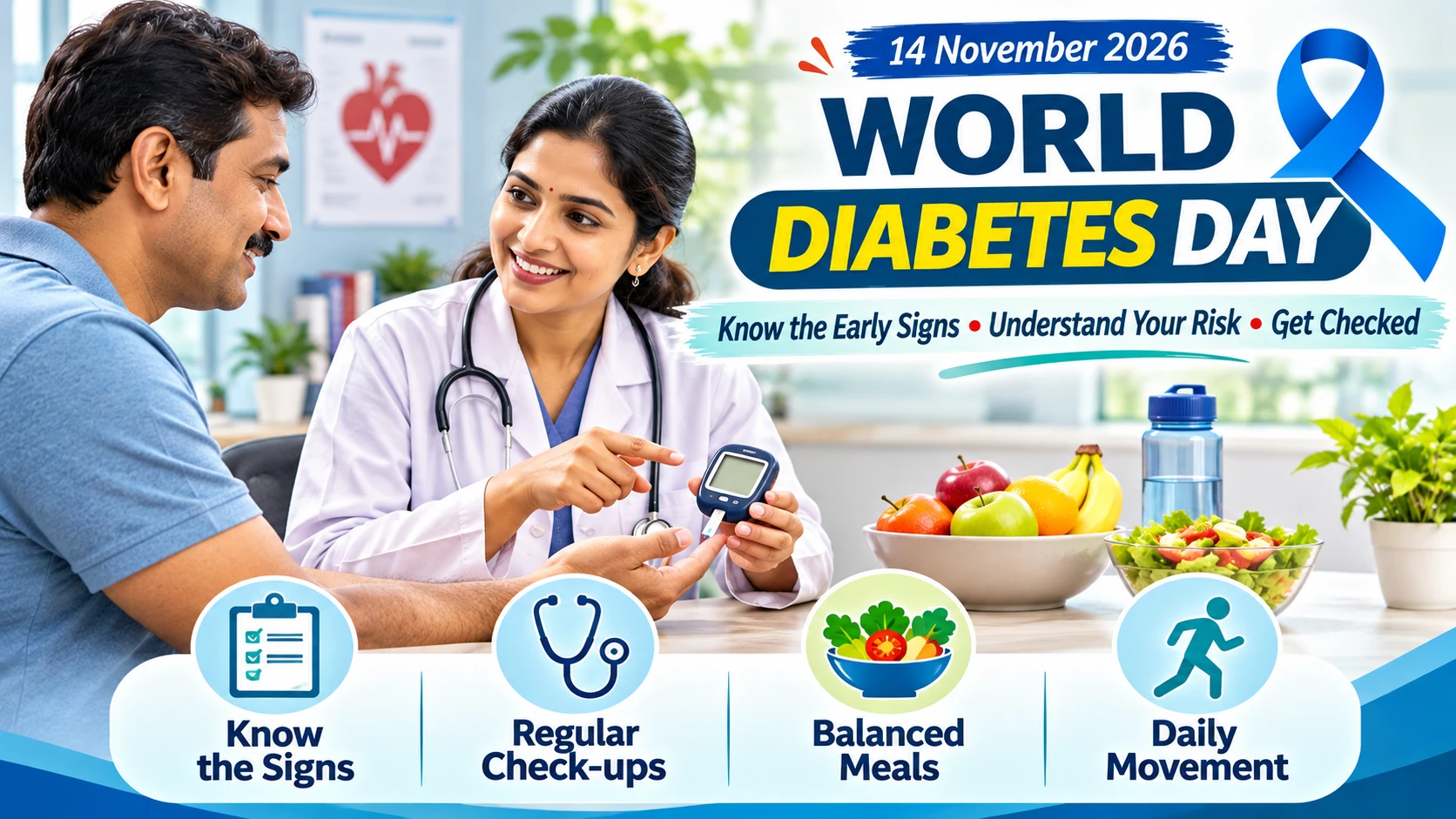
Every year, World Diabetes Day is observed on 14 November to raise awareness about diabetes, its impact and the importance of access to proper healthcare.
Diabetes is a long-term health condition that affects how the body regulates blood glucose, commonly called blood sugar. It can affect people of different ages, and early awareness can help people seek appropriate medical advice.
With diabetes screening and prevention receiving attention in recent Indian health coverage, this is a good time to understand the warning signs, risk factors and everyday habits that support better health.
1. What Is Diabetes?
Diabetes develops when the body does not produce enough insulin or cannot use insulin effectively.
Insulin is a hormone that helps glucose move from the bloodstream into the body’s cells, where it is used for energy.
The main types include:
Type 1 Diabetes: The immune system mistakenly attacks the insulin-producing cells in the pancreas. People with type 1 diabetes need insulin treatment.
Type 2 Diabetes: The body does not use insulin effectively, and over time the pancreas may not produce enough insulin to maintain healthy blood glucose levels. It is influenced by several factors, including genetics and lifestyle.
Gestational Diabetes: This type develops during pregnancy and requires medical monitoring and appropriate care.
2. Common Early Signs of Diabetes
Recognising possible symptoms is important because diabetes may sometimes develop without obvious warning signs.
Some common symptoms include:
- Feeling unusually thirsty
- Passing urine more frequently than usual
- Feeling tired or low on energy
- Blurred vision
- Cuts or wounds taking longer to heal
- Frequent infections
- Unexplained changes in body weight
Not everyone experiences the same symptoms. Some people with type 2 diabetes may have no noticeable symptoms for a long time.
If you notice persistent or unusual symptoms, consult a qualified healthcare professional rather than trying to diagnose yourself.
3. Who May Have a Higher Risk?
Several factors can influence the likelihood of developing type 2 diabetes.
These include:
- Family history of diabetes
- Increasing age
- Certain genetic and ethnic backgrounds
- Previous gestational diabetes
- Polycystic ovary syndrome (PCOS)
- High blood pressure
- Certain metabolic and medical conditions
- Low levels of regular physical activity
Having one or more risk factors does not mean someone will definitely develop diabetes. A healthcare professional can help assess individual risk.
Type 1 diabetes is different and is not caused simply by eating sugar or having a particular lifestyle.
4. Why Are Regular Health Checks Important?
Blood glucose testing helps identify diabetes and prediabetes.
Healthcare professionals may recommend tests such as:
Fasting Blood Glucose: Measures blood glucose after an overnight fast.
HbA1c Test: Provides an estimate of average blood glucose levels over approximately the previous three months.
Oral Glucose Tolerance Test: Measures how the body responds to a glucose drink over a specified period.
The appropriate test and testing schedule depend on a person’s age, symptoms, medical history and risk factors.
Do not rely only on symptoms to decide whether a test is necessary. A healthcare professional can guide you.
5. Everyday Habits That Support Diabetes Prevention and Management
Healthy everyday habits can support general wellbeing and may help reduce the risk of type 2 diabetes.
Eat Balanced Meals
Include a variety of vegetables, fruits, pulses, whole grains and suitable protein sources.
Traditional meals such as dal, vegetable curry, chapati and curd can be part of a balanced eating pattern.
Try to make meals varied rather than depending on a single food or following restrictive diets.
Stay Physically Active
Walking, cycling, dancing, swimming and playing outdoor games are examples of activities that support general health.
Choose activities that are comfortable and suitable for your age and health condition.
Maintain a Regular Sleep Routine
Consistent sleep supports overall health. Try to follow regular sleeping and waking times and create a comfortable bedtime routine.
Drink Enough Water
Make water your regular drink. Sugary drinks can contribute significant amounts of added sugar, so choosing water more often is a useful everyday habit.
Attend Recommended Health Check-ups
Regular medical appointments can help identify health concerns early. Follow the testing schedule recommended by your healthcare professional.
6. Common Diabetes Myths and Facts
Myth 1: Diabetes only affects older adults.
Fact: Diabetes can affect children, teenagers and adults. Type 1 diabetes is commonly diagnosed during childhood or adolescence, although it can occur at any age.
Myth 2: Eating sugar alone causes diabetes.
Fact: Diabetes has several causes. Type 1 diabetes is an autoimmune condition, while type 2 diabetes involves a combination of genetic, metabolic and lifestyle-related factors.
Myth 3: People with diabetes must avoid every carbohydrate.
Fact: Carbohydrates are part of many nutritious foods. The amount, type and distribution of carbohydrates should be considered according to individual medical advice.
Myth 4: Diabetes always produces clear symptoms.
Fact: Some people, particularly those with type 2 diabetes, may not notice symptoms initially. Screening can be important.
7. How Can Families Support Diabetes Awareness?
Families can help by encouraging open conversations about health, supporting balanced meals and participating in recommended medical check-ups.
Schools, workplaces and communities can also spread awareness by sharing reliable information and helping people understand the importance of early testing.
Avoid judging people based on their diagnosis. Diabetes management is individual, and everyone deserves respectful support.
Final Thoughts
World Diabetes Day is an opportunity to learn more about a condition that affects millions of people around the world.
Understanding early symptoms, knowing personal risk factors and attending recommended health checks can help people make informed decisions.
Small, consistent habits such as balanced meals, enjoyable physical activity and regular medical care can support long-term wellbeing.
Have you ever attended a diabetes awareness or screening programme? Share why health awareness and regular check-ups matter to you in the comments.
Disclaimer: This article is for general health awareness and does not replace medical advice, diagnosis or treatment. Consult a qualified healthcare professional for personal guidance.
Follow Us On Instagaram