

 By
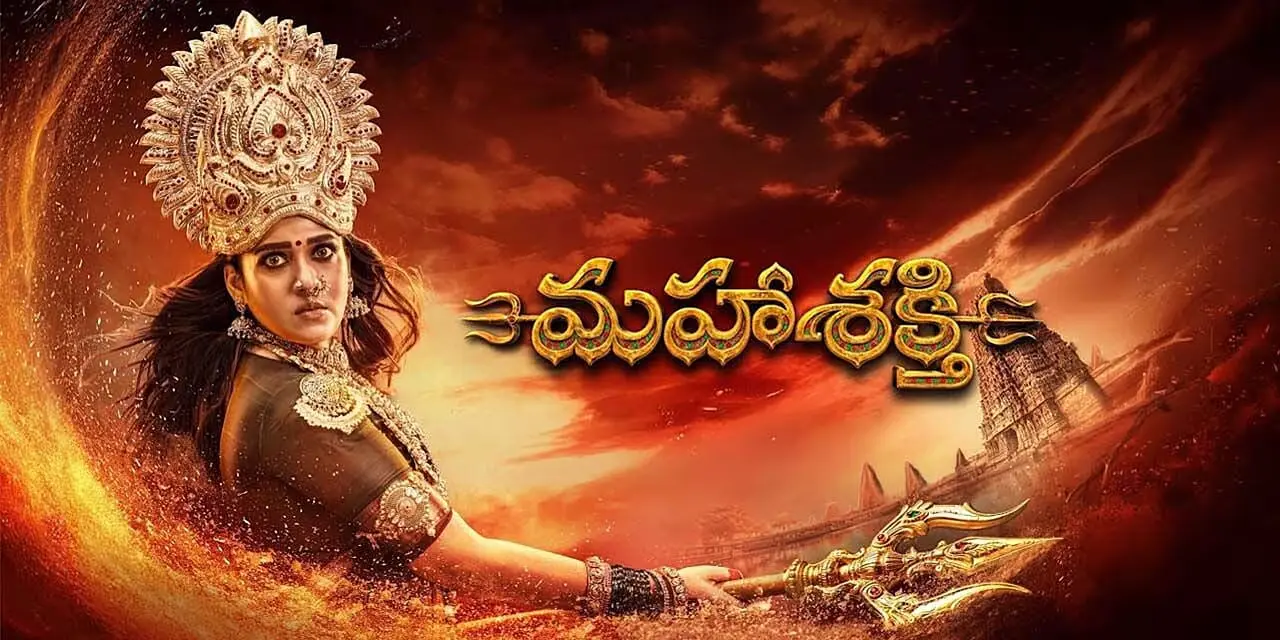
Mahasakthi is a 2026 Telugu devotional fantasy thriller directed by Sundar C, starring Nayanthara as Shakti, alongside Regina Cassandra as Bhairi and Duniya Vijay in an important role. The film also features Urvashi, Yogi Babu, Sunil, Garuda Ram, Abhinaya and other supporting actors. A spiritual sequel to the 2020 Tamil film Mookuthi Amman, the story revolves around a police officer who experiences mysterious dreams connected to a village called Mylanchi. As she investigates the mystery, she becomes involved in a supernatural conflict between divine and evil forces. The film was released in theatres on November 6, 2026, with a reported runtime of approximately 2 hours 24 minutes.
The early critical response has been largely negative. Nayanthara’s screen presence, Regina Cassandra’s performance and the film’s devotional fantasy concept have received some appreciation. However, critics have raised serious concerns about weak visual effects, outdated storytelling, misplaced comedy, ineffective screenplay and an extremely disappointing second half. Despite its ambitious subject and familiar star cast, the film struggles to deliver the grand devotional experience audiences might expect.
Story & Concept
Mahasakthi follows Shakti, a police officer who lives with her adopted mother, Balamma. For some time, Shakti has been experiencing mysterious nightmares in which unknown people repeatedly call her to a village named Mylanchi.
Unable to understand the meaning behind these dreams, she decides to investigate their connection to her life. An opportunity to transfer to Mylanchi gives her a chance to explore the mystery. Once she reaches the village, she encounters strange incidents and discovers that the place is connected to a much larger supernatural conflict.
Her journey brings her face-to-face with Bhairi, a powerful evil force, and gradually reveals the connection between Shakti, the village deity and the mysterious events surrounding the village.
The basic premise has considerable potential. A police investigation combined with village mythology, divine powers and supernatural conflicts could have created an engaging devotional fantasy thriller.
However, the execution does not make effective use of this interesting foundation. The story gradually moves towards familiar fantasy-film situations, and the screenplay fails to create the emotional connection and suspense required to make the central conflict compelling.
Performance
Nayanthara plays Shakti, the central character around whom the supernatural events unfold. She brings a composed screen presence to the role and handles the character with confidence. Her performance suits the devotional fantasy setting, particularly during the moments where the narrative requires strength and authority.
However, the screenplay does not provide enough powerful scenes to make full use of her abilities. Although she has a few impressive moments, her character lacks the emotional depth and development necessary to become truly memorable.
Regina Cassandra makes a strong impression as Bhairi. Her expressions, screen presence and portrayal of the antagonist provide some of the film’s more interesting moments. She brings an intimidating quality to the character and adds energy whenever she appears.
Urvashi performs as Balamma and contributes warmth to the family-oriented portions. Duniya Vijay, Sunil and Garuda Ram are also part of the supporting cast, but their characters do not receive sufficient development.
Yogi Babu is brought in for comedy, particularly during the later portions. Unfortunately, his comedy track becomes unnecessarily lengthy and fails to provide the entertainment the film requires.
Overall, the performances have potential, but the weak character writing prevents the talented cast from making a stronger impact.
Screenplay & Direction
Sundar C takes responsibility for directing this devotional fantasy sequel. Known for his commercial entertainers and comedy-oriented films, he attempts to create a supernatural story involving village mythology, divine powers and the battle between good and evil.
The film has an interesting foundation, and the initial mystery surrounding Shakti’s dreams creates some curiosity. The village setting and supernatural elements also provide opportunities for visual storytelling and suspense.
However, the screenplay by Venkatt Ragavan relies heavily on familiar storytelling conventions. Instead of developing the mystery gradually, the narrative moves towards predictable situations and routine fantasy elements.
The first half manages to establish some curiosity, but the second half loses control of the storytelling. The large-scale supernatural sequences do not generate the expected excitement, while the comedy portions interrupt the central conflict.
Sundar C’s usual entertainment factor is also missing. The film has ambition, but its weak writing and inconsistent execution prevent it from becoming an engaging devotional fantasy drama.
Action & Mass Elements
Action plays an important role in Mahasakthi, particularly during the supernatural confrontations between divine and evil forces.
The film attempts to create grand battle sequences involving powerful characters, supernatural abilities and dramatic confrontations. Nayanthara’s character also receives a few elevation moments designed to create a theatrical response.
Regina Cassandra contributes to the intensity through her antagonist role, and the conflict between the two characters provides the foundation for several action-oriented scenes.
However, the execution does not match the scale of the concept. The visual effects and artificial-looking backgrounds reduce the impact of several confrontations.
The battle sequences in the second half are particularly disappointing because they lack the tension, choreography and visual quality needed to make them exciting.
Viewers expecting grand supernatural action and powerful divine elevations may find the film underwhelming.
Comedy & Entertainment Elements
Comedy is an important part of Sundar C’s filmmaking style, and Mahasakthi attempts to include humour alongside its devotional fantasy storyline.
Yogi Babu is primarily responsible for the comic portions. His presence is intended to provide entertainment and create lighter moments between the supernatural developments.
However, the comedy does not work effectively. Several jokes feel routine, and the lengthy second-half comedy track becomes more distracting than entertaining.
The biggest problem is the placement of humour. Instead of supporting the main narrative, certain comedy sequences interrupt the suspense and reduce the seriousness of the central conflict.
A more carefully written comedy track could have improved the film’s entertainment value. Unfortunately, the humour becomes one of its noticeable weaknesses.
Devotional & Mythological Elements
The devotional foundation is one of the most important aspects of Mahasakthi. The film attempts to explore the power of a village goddess and the conflict between divine energy and evil forces.
The village setting, supernatural incidents and connection between Shakti and the deity provide opportunities for an engaging mythological narrative.
The story also attempts to communicate the importance of faith, divine protection and the struggle against destructive forces.
However, devotional fantasy films require more than divine characters and supernatural battles. They need emotional depth, convincing visual presentation and a strong spiritual atmosphere.
Unfortunately, the film does not establish these elements consistently. The mythology becomes more dependent on routine fantasy situations, while the emotional significance of the divine conflict receives limited attention.
The concept deserved a more thoughtful screenplay and stronger execution to create a memorable devotional experience.
Music & Technical Aspects
The technical presentation is one of the film’s biggest weaknesses. Despite the film’s ambitious fantasy concept and promotional emphasis on its production scale, the visual output does not consistently meet expectations.
Cinematographer Gopi Amarnath handles the visuals, but several portions lack the richness and grandeur required for a large-scale devotional fantasy film.
The visual effects are particularly disappointing. Certain supernatural sequences, computer-generated backgrounds and creatures appear artificial, making it difficult for audiences to become fully immersed in the fantasy world.
Hiphop Tamizha provides the music and background score. However, the songs do not leave a particularly strong impression, and the background score occasionally becomes unnecessarily loud instead of enhancing the emotional intensity of important scenes.
Editing by Fenny Oliver also leaves room for improvement. Several sequences, especially in the second half, feel unnecessarily extended.
The technical departments have enough material to create a visually impressive film, but inconsistent execution reduces the overall cinematic impact.
Pacing & Runtime
With a runtime of approximately 144 minutes, Mahasakthi is not exceptionally long for a fantasy thriller. However, the film frequently feels longer than its actual duration.
The first half begins with an interesting mystery surrounding Shakti’s dreams and her connection to Mylanchi village. These portions create some curiosity, although the narration gradually becomes predictable.
The second half is where the pacing becomes a major problem. The supernatural battles, comedy sequences and repetitive developments affect the overall momentum.
The lengthy comedy track involving Yogi Babu further interrupts the narrative flow. The film also spends considerable time on visual sequences that do not contribute enough to the central story.
A tighter edit and more focused storytelling could have made the film considerably more engaging.
Second Half & Climax
The second half attempts to bring the supernatural conflict between Shakti and Bhairi to its conclusion. As the mystery surrounding Mylanchi becomes clearer, the narrative moves towards a larger confrontation involving divine and evil forces.
Regina Cassandra’s presence adds some intensity to the conflict, while Nayanthara receives a few moments intended to establish her character’s strength.
However, the second half struggles to maintain the curiosity established earlier. The battle sequences lack convincing visual effects, and the comedy portions interrupt the seriousness of the conflict.
The climax attempts to deliver a grand devotional fantasy conclusion, but the weak visual presentation and predictable screenplay reduce its impact.
The film had the opportunity to create a powerful confrontation between divine energy and evil forces. Unfortunately, the execution does not generate the emotional satisfaction or theatrical excitement that such a story requires.
What Works
- Nayanthara brings a strong screen presence as Shakti
- Regina Cassandra makes an impression as the antagonist
- Interesting devotional fantasy concept
- Initial mystery surrounding Shakti’s dreams creates curiosity
- Village mythology provides an interesting story foundation
- Urvashi contributes warmth to the supporting cast
- Some supernatural moments have theatrical potential
- The film attempts to combine mythology, fantasy and entertainment
What Doesn’t Work
- Outdated and predictable screenplay
- Weak visual effects affect the fantasy experience
- Artificial-looking CGI and backgrounds
- Disappointing second half
- Yogi Babu’s lengthy comedy track becomes irritating
- Background score is unnecessarily loud in places
- Songs lack memorability
- Supporting characters receive limited development
- Battle sequences fail to create the expected impact
- Weak emotional connection with the central conflict
- Editing and pacing could have been considerably better
Final Verdict
Mahasakthi is a devotional fantasy thriller that begins with an interesting concept involving a village goddess, supernatural mysteries and the battle between divine and evil forces. Nayanthara brings a strong screen presence as Shakti, while Regina Cassandra contributes an impressive performance as Bhairi.
However, the film struggles to transform its promising premise into an engaging cinematic experience. The outdated screenplay, weak visual effects, misplaced comedy and disappointing second half significantly affect its overall quality. Despite having a talented cast and an interesting mythological foundation, the film fails to create the emotional depth and visual grandeur expected from a devotional fantasy entertainer.
Sundar C attempts to deliver a large-scale supernatural drama, but the execution lacks consistency. The film has a few interesting moments, yet they are not enough to overcome its major storytelling and technical weaknesses.
Overall, Mahasakthi is a disappointing devotional fantasy drama that wastes an interesting concept and capable performances through weak writing, artificial visuals and an underwhelming second half.
Overall Rating: 2/5
Story: ⭐⭐
Screenplay: ⭐
Performances: ⭐⭐⭐
Direction: ⭐⭐
Action: ⭐⭐
Comedy: ⭐
Devotional Elements: ⭐⭐½
Emotional Impact: ⭐½
Music: ⭐⭐
Cinematography: ⭐⭐
Visual Effects: ⭐
Pacing: ⭐½
Climax: ⭐½
Overall: ⭐⭐
Verdict: Mahasakthi has an interesting devotional fantasy concept and a capable lead cast, but outdated storytelling, weak visual effects, misplaced comedy and a disappointing second half turn it into an underwhelming cinematic experience.