

 By
By Computers have evolved rapidly from simple calculating machines to highly advanced systems capable of performing complex tasks in seconds. Advanced types of computers are designed to handle specialized functions such as scientific research, artificial intelligence, big data processing, and global communication systems. These powerful machines play a major role in industries like healthcare, space research, defense, finance, and technology. In this article, we will explore the most advanced types of computers used in modern times.
1. Supercomputers
Supercomputers are the fastest and most powerful computers in the world. They are designed to process massive amounts of data at extremely high speeds. These computers are mainly used for scientific research, weather forecasting, climate modeling, nuclear simulations, and space exploration.
Supercomputers can perform trillions of calculations per second. They use parallel processing, where thousands of processors work together simultaneously to solve complex problems. Countries invest heavily in building supercomputers to improve research capabilities and national security.
One well-known example is IBM, which has developed some of the world’s powerful computing systems. Supercomputers are usually housed in large data centers because they require advanced cooling systems and high electricity supply.
2. Quantum Computers
Quantum computers are the most futuristic and advanced type of computers. Unlike traditional computers that use bits (0 and 1), quantum computers use quantum bits or qubits. Qubits can exist in multiple states at the same time due to a concept called superposition.
This allows quantum computers to solve extremely complex problems much faster than classical computers. They are mainly used in research fields such as cryptography, drug discovery, material science, and optimization problems.
Technology companies like Google are actively working on quantum computing research. Although quantum computers are still in development, they have the potential to revolutionize industries by solving problems that are currently impossible for traditional computers.
3. Mainframe Computers
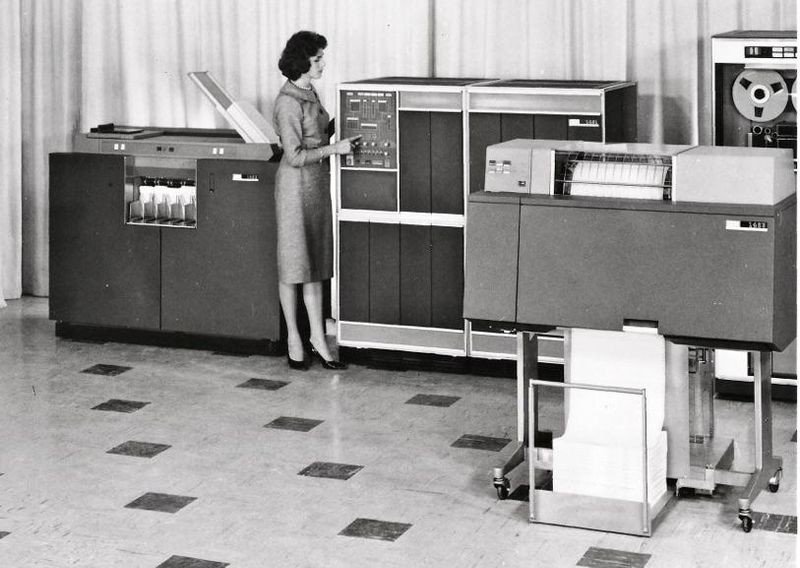
Mainframe computers are large and powerful systems used by big organizations for bulk data processing. They are commonly used in banking, insurance, airlines, and government institutions.
Mainframes can handle thousands of users at the same time and process millions of transactions per second. They are known for reliability, security, and scalability. Unlike supercomputers that focus on speed for scientific tasks, mainframes focus on stable and secure transaction processing.
Many financial institutions rely on mainframe systems to manage customer data and financial transactions safely and efficiently.
4. Artificial Intelligence (AI) Computers
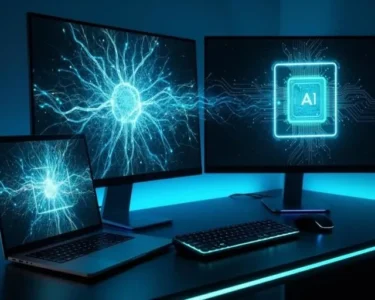
Artificial Intelligence computers are specially designed to perform tasks that normally require human intelligence. These systems can learn, analyze data, recognize patterns, and make decisions.
AI computers are used in voice assistants, robotics, medical diagnosis, self-driving cars, and recommendation systems. They rely on machine learning algorithms and deep learning models to improve performance over time.
For example, AI systems developed by OpenAI are capable of understanding and generating human-like text. AI-powered computers are transforming industries by automating tasks and increasing efficiency.
5. Edge Computing Systems
Edge computing is an advanced computing system where data is processed near the source instead of sending it to a central server. This reduces latency and improves real-time performance.
Edge computing is widely used in Internet of Things (IoT) devices, smart cities, autonomous vehicles, and industrial automation. By processing data locally, edge computers reduce network congestion and increase speed.
This type of computing is especially useful for applications that require immediate responses, such as medical monitoring devices and traffic control systems.
6. Wearable Computers
Wearable computers are small, advanced devices that people can wear on their bodies. Examples include smartwatches, fitness trackers, and augmented reality glasses.
These devices collect data such as heart rate, steps, sleep patterns, and notifications. Wearable computers are widely used in healthcare, fitness, and communication industries.
Modern wearable technology integrates sensors, wireless connectivity, and AI to provide smart and personalized services.
7. Embedded Systems
Embedded systems are advanced computers built into other machines or devices. They are designed to perform specific tasks rather than general computing functions.
Examples include computers inside washing machines, cars, medical equipment, and smart home appliances. Embedded systems are highly efficient and optimized for performance and low power consumption.
They play a critical role in automation and modern electronic devices.
Conclusion
Advanced types of computers have transformed the world by solving complex problems, improving efficiency, and enabling technological innovation. Supercomputers and quantum computers push the boundaries of scientific research. Mainframe systems support global financial operations. AI computers enable smart decision-making and automation. Edge computing, wearable devices, and embedded systems enhance daily life through real-time processing and intelligent applications.
As technology continues to evolve, advanced computers will become even more powerful and intelligent. They will drive future innovations in healthcare, education, space exploration, and artificial intelligence. Understanding these advanced types of computers helps us appreciate how modern technology shapes our world and prepares us for the future of digital transformation.
do you follow instagram