

 By
AI-Powered Computers in 2026: A New Era of Smart Computing
The computer industry is experiencing a major transformation in 2026 as artificial intelligence becomes an important part of modern PCs and laptops. Traditional computers were mainly designed for browsing, office work, gaming and software applications. However, the latest generation of computers is moving towards smarter technology that can understand user instructions, automate tasks and improve productivity.
Technology companies such as Microsoft, Intel, AMD, NVIDIA and other hardware manufacturers are investing heavily in AI-powered computing. Their goal is to develop computers that can perform complex tasks faster while providing a more intelligent user experience.
Let’s explore the latest developments and how AI is changing the future of computers.
1. AI Is Changing the Way Computers Work
One of the biggest developments in computer technology is the integration of artificial intelligence directly into personal computers.
Modern AI-powered PCs are designed to handle tasks such as generating content, summarizing documents, assisting with coding, editing images and organizing information.
Instead of depending entirely on cloud-based services, some computers can process AI workloads directly using specialized hardware.
This makes computers more capable of handling intelligent applications while potentially reducing internet dependency for supported tasks.
Microsoft is also exploring a future where AI capabilities are available across different categories of Windows computers, from entry-level devices to powerful workstations. Windows Central+1
2. New Processors Are Making AI Computing Faster
Processors are one of the most important components of modern computers.
Companies such as Intel, AMD and NVIDIA are developing advanced computing hardware to support demanding AI applications.
Modern AI-capable computers increasingly use specialized components such as Neural Processing Units (NPUs), which are designed to accelerate certain artificial intelligence workloads.
These processors can help computers perform tasks such as background noise removal, image enhancement, voice recognition and other AI-powered activities more efficiently.
NVIDIA is also expanding its presence in personal computing with hardware designed to bring more powerful AI capabilities to Windows laptops and desktops.
As processor technology improves, users can expect more powerful computers for professional work, creative applications and everyday productivity. Reuters+1
3. Windows Computers Are Becoming More Intelligent
Microsoft is working to make Windows a smarter operating system by introducing AI-powered capabilities and performance improvements.
An interesting development reported in November 2026 is Microsoft’s focus on improving Windows 11 performance on computers with 8GB of RAM.
The reported optimizations involve better memory management and compression, helping supported computers handle multitasking more efficiently.
Microsoft is also developing a broader AI strategy that supports different hardware configurations. This means even computers without the most powerful processors could benefit from certain AI features through a combination of local and cloud computing.
This approach could make AI technology accessible to a wider range of computer users. Windows Central+1
4. AI Is Creating New Opportunities for Students and Professionals
AI-powered computers are becoming useful tools for different types of users.
Students can use AI applications to summarize study materials, organize notes, understand difficult subjects and improve their research activities.
Professionals can benefit from automated document preparation, data analysis, presentation creation and coding assistance.
Graphic designers and video editors can also take advantage of AI-powered tools for image enhancement, video editing and creative workflows.
For software developers, AI-enabled computers can help with code suggestions, debugging and development productivity.
These features demonstrate how computers are gradually becoming intelligent working assistants rather than simply devices for running applications.
5. Rising AI Demand Is Affecting Computer Prices
Although AI technology offers many advantages, it is also creating challenges for the computer industry.
Demand for AI servers and data centres is increasing the need for advanced memory, processors and semiconductor components.
Recent industry reports indicate that manufacturers are facing tighter supplies of certain components, including memory and circuit-board materials.
This could increase manufacturing costs and affect the pricing and availability of traditional laptops and desktop computers.
As a result, customers may need to compare specifications, performance and pricing more carefully before purchasing a new computer. Reuters+2
6. What Is the Future of Computers?
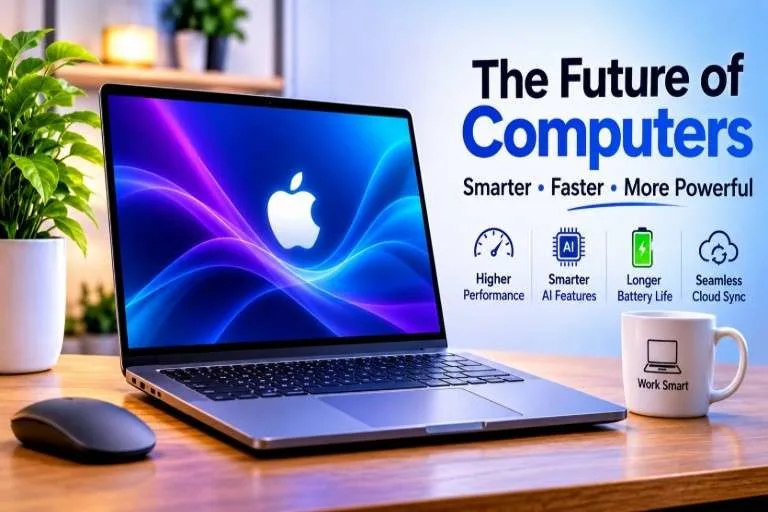
The future of computing will likely involve a combination of artificial intelligence, faster processors, improved battery technology and more efficient operating systems.
Computers may increasingly be able to understand complex instructions, automate repetitive work and assist users across different applications.
AI-powered features could also become standard in everyday laptops, desktops and professional workstations.
However, privacy, cybersecurity, affordability and hardware efficiency will remain important considerations as this technology develops.