 By
By Apple HomeView: How Apple Is Transforming Smart Homes in 2026
The world of consumer electronics is evolving rapidly, and Apple is taking another step toward connected living. On October 13, 2026, Apple introduced Apple HomeView, a new smart home display designed to bring entertainment, communication, and home management together in one place. Powered by Apple Intelligence and Siri AI, this device highlights Apple’s growing interest in making everyday home technology more intelligent and convenient.
Alongside HomeView, Apple also announced an updated HomePod mini and a new Apple TV 4K, strengthening its smart home ecosystem.
What Is Apple HomeView?
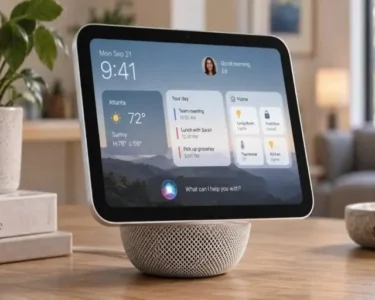
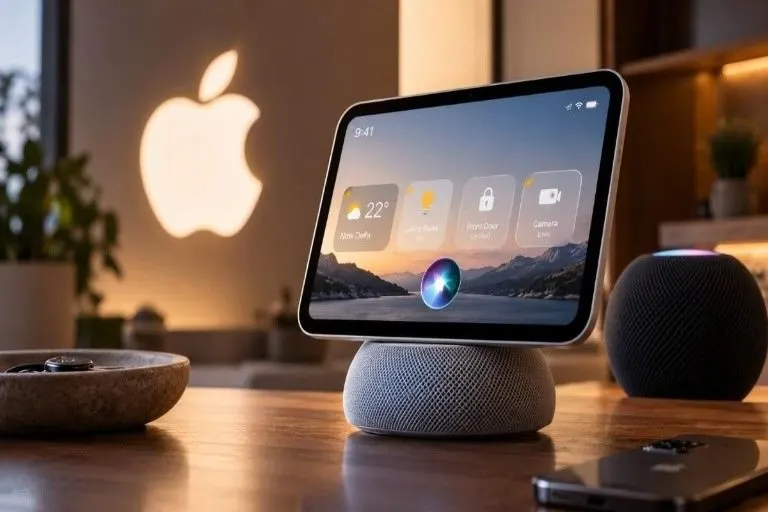
Apple HomeView is a smart display designed to serve as a central control point for compatible smart home devices. According to Apple’s announcement, it features a 7-inch Liquid Retina display and supports activities such as video calls, music playback, home monitoring, and voice-controlled automation.
Rather than using separate applications and devices for every task, users can access important home functions through a single interface. This approach could make connected living simpler for households already using Apple products.
Key Features of Apple HomeView
1. Intelligent Siri AI Assistance
One of HomeView’s main attractions is its integration with Siri AI. Users can interact with Apple’s voice assistant to access supported features and control compatible smart home devices.
For example, people may use voice commands to adjust lighting, manage connected accessories, or access everyday information. The usefulness of these experiences will depend on supported devices, software features, and regional availability.
2. Smart Home Management
HomeView is designed to help users manage compatible smart home products from one location. Depending on their setup, households can use connected devices for lighting, climate control, security, and other everyday routines.
This centralised approach can reduce the effort required to manage multiple smart accessories. However, compatibility should be checked before purchasing additional devices.
3. Communication and Entertainment
HomeView also combines communication and entertainment features. Users can make FaceTime calls, listen to music, and access supported content through the display.
Apple’s design aims to make these functions useful in shared spaces such as kitchens and living rooms, where family members may need quick access to calls, reminders, or entertainment.
4. Personalisation and Privacy
Apple says HomeView can recognise household members by their faces and adapt the experience to provide access to personal information and supported applications.
Privacy remains an important consideration for connected devices, particularly those equipped with cameras and microphones. Consumers should review available privacy settings, permissions, and data-handling information before enabling personal features.
How HomeView Fits Into Apple’s Smart Home Ecosystem
HomeView is not Apple’s only recent smart home announcement. The company also introduced a new generation of HomePod mini and an updated Apple TV 4K.
The HomePod mini focuses on compact audio and smart assistant features, while Apple TV 4K serves as a home entertainment device. Together with HomeView, these products demonstrate Apple’s effort to connect entertainment, communication, and home automation.
For people who already own an iPhone, iPad, or other compatible Apple products, this integrated approach may offer a more consistent experience across devices. However, buyers should compare compatibility, pricing, and available features with competing smart home platforms.
Is Apple HomeView Worth Watching in 2026?
Apple HomeView is an interesting development for consumers who want a central display for managing their homes. Its combination of a touchscreen interface, voice assistance, video calling, and connected-device controls could make everyday routines more convenient.
However, a smart home display is not essential for everyone. Buyers who only need basic lighting controls or music playback may find a simpler smart speaker more practical. Those considering HomeView should also investigate its local availability, final pricing, supported accessories, and feature limitations.