

 By
By For generations, chaat has been one of India’s most beloved street foods.
Aloo tikki, bhel puri, papdi chaat, dahi puri and phuchka are foods people usually associate with roadside stalls, evening snacks and crowded market streets.
But something interesting is happening in 2026.
Chaat is moving from Indian streets to international restaurant menus.
Recent coverage from Food & Wine highlights how Indian-American chefs in the United States are reinterpreting chaat using local ingredients while trying to preserve the flavour combinations and memories associated with India’s street-food culture.
This could be one of the most exciting developments for Indian food globally.
Why Is Chaat Becoming Popular Around the World?
Chaat Has Everything Modern Diners Want
Chaat is almost perfectly designed for today’s food culture.
A good plate of chaat can contain:
- Crunch
- Creaminess
- Sweetness
- Sourness
- Spice
- Fresh herbs
- Tangy chutneys
- Different temperatures
- Multiple textures
That makes every bite different.
Modern restaurants are increasingly interested in dishes that create an experience rather than simply providing calories.
Chaat naturally does that.
One Plate Can Deliver Many Flavours
Take a typical papdi chaat.
The crispy papdi provides crunch.
Yogurt adds creaminess.
Tamarind chutney provides sweetness and acidity.
Green chutney adds freshness and heat.
Chaat masala adds another layer of spice and aroma.
Instead of one dominant flavour, the diner gets a sequence of sensations.
That complexity is one reason chaat works so well in modern dining.
America Is Giving Chaat Its Own Interpretation
Indian-American Chefs Are Leading the Change
Recent Food & Wine coverage shows Indian-American chefs in the United States experimenting with chaat and adapting it to local ingredients and restaurant formats.
The important point is that these chefs aren’t simply copying Indian street stalls.
They are asking how chaat can work in a different food culture.
That might mean changing ingredients while maintaining the basic idea:
crunch + chutney + spice + tang + freshness.
This allows chaat to evolve without losing its identity.
Authenticity Doesn’t Always Mean Exact Replication
This is one of the biggest conversations surrounding global Indian food.
If an American chef uses a locally available ingredient in a chaat-inspired dish, is it still chaat?
There isn’t one simple answer.
Food naturally changes when it travels.
Pizza changed dramatically around the world.
Sushi changed.
Tacos changed.
Now chaat is going through the same process.
The challenge is to adapt without removing the cultural story behind the dish.
Pani Puri Could Become a Global Experience
The Format Is Perfect for Restaurants
Among Indian street foods, pani puri may have particularly strong international potential.
Why?
Because it isn’t just something you eat.
It is an interaction.
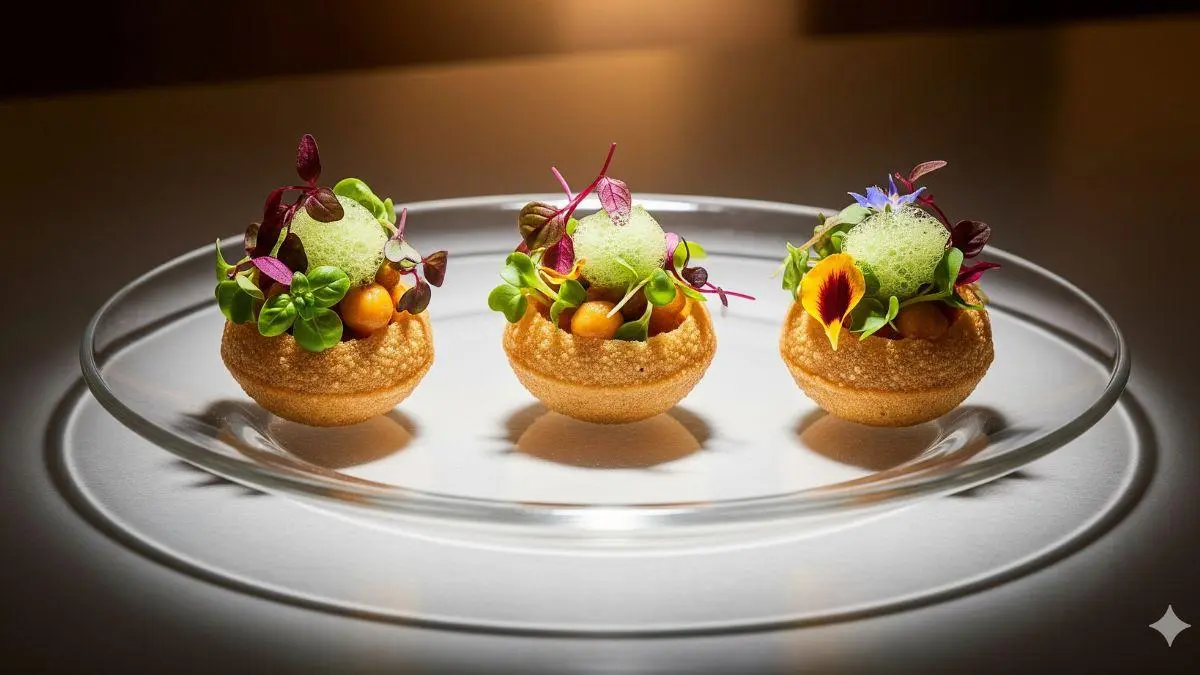
The shell is filled.
The chutneys are added.
The flavoured water is introduced.
And the entire thing is eaten immediately.
That makes pani puri ideal for experiential restaurants.
A restaurant could offer multiple versions:
Tamarind pani
Mint pani
Mango pani
Coconut pani
Spicy chilli pani
Smoked pani
The basic format remains familiar while the flavours change.
Chaat Fits the Global Small-Plate Movement
Small Portions Are Becoming More Interesting
Restaurants around the world increasingly use small plates because they allow diners to try several flavours in one meal.
Chaat naturally fits this model.
Instead of ordering one large dish, a group can share several small portions.
For example:
- Mini aloo tikki
- Papdi chaat
- Dahi puri
- Bhel
- Pani puri
- Sev puri
This makes chaat particularly suitable for social dining.
Recent Indian restaurant-menu coverage also shows growing interest in inventive tasting experiences, seasonal dishes and globally influenced menus.
Why Chaat Is Different From Other Indian Food Trends
It Doesn’t Need to Be Made “Luxury”
One interesting advantage of chaat is that it doesn’t need expensive ingredients.
A restaurant doesn’t need truffle, caviar or imported cheese to create an impressive chaat dish.
The excitement comes from flavour construction.
That makes it possible for chefs to create premium experiences using relatively familiar ingredients.
This could be especially important as restaurants try to control food costs while still offering creative menus.
The Street-Food Story Is Part of the Attraction
Diners Want Food With a Story
International diners aren’t only interested in what a dish tastes like.
They increasingly want to know:
Where did it come from?
How is it traditionally eaten?
Why is it important?
Chaat has an incredibly strong story.
It is connected to Indian markets, street vendors, family outings, regional traditions and everyday social life.
That cultural background gives chefs something to communicate beyond the plate.
India Has Many More Chaats to Export
The World Has Only Seen a Small Part of the Category
When people outside India hear “chaat,” they may immediately think of pani puri or papdi chaat.
But India’s chaat universe is much larger.
Different cities and regions have their own styles and ingredients.
Examples include:
Delhi-style aloo tikki
Mumbai bhel puri
Kolkata phuchka
Ragda pattice
Dahi puri
Sev puri
Basket chaat
Palak chaat
This regional diversity gives chefs enormous room to experiment.
Regional Chaat Could Become the Next Step
The next stage of globalisation may not be simply “Indian chaat.”
It could be more specific.
Instead of saying:
Indian street food
restaurants may start highlighting:
Mumbai-style bhel
or
Kolkata-style phuchka
or
Delhi-style aloo tikki.
That creates stronger culinary identity.
Social Media Could Accelerate the Trend
Chaat Is Naturally Visual
Chaat is colourful.
There are green chutneys, red chutneys, white yogurt, golden fried ingredients, fresh coriander and colourful toppings.
That makes it extremely attractive for food photography and short-form video.
Pani puri also has an interactive element that works particularly well on social media.
A video showing the preparation, filling and eating of pani puri can communicate the experience within seconds.
This gives chaat an advantage over many traditional dishes that are harder to explain visually.
Could Chaat Become a Fine-Dining Dish?
The Answer Is Already Emerging
Fine dining doesn’t necessarily require expensive ingredients.
It requires precision.
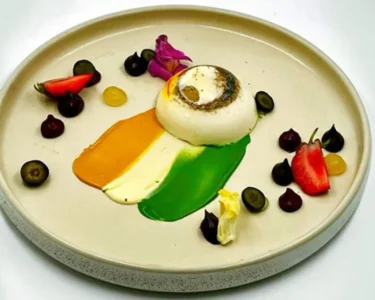
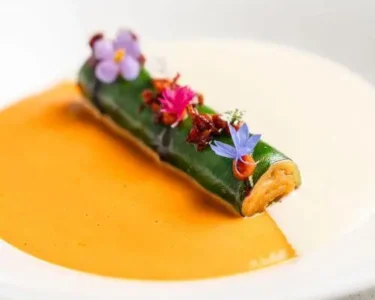
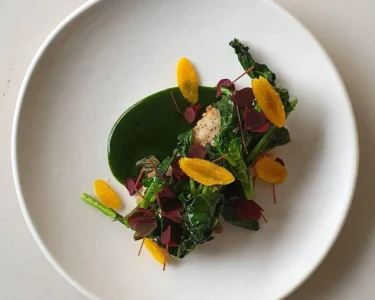
A chef can take a familiar chaat and refine:
- Texture
- Temperature
- Portion size
- Plating
- Chutney balance
- Spice intensity
- Ingredient quality
The result can still taste recognisably like chaat while looking completely different.
That is exactly the type of transformation happening across modern global cuisine.
The Bigger Trend: Indian Food Is Becoming More Specific
From “Indian Food” to Regional Food
One of the most important changes in global Indian dining is the move away from treating Indian cuisine as a single category.
Indian food is not one cuisine.
It contains hundreds of regional traditions.
Chaat is a perfect example.
As international diners become more familiar with Indian flavours, restaurants can introduce more specific regional dishes rather than relying only on globally familiar choices such as butter chicken, naan and tikka.
That could create a much richer global understanding of Indian cuisine.
What Could Come Next?
Chaat Could Inspire New Global Formats
The future may bring chaat-inspired:
- Tacos
- Burgers
- Sandwiches
- Rice bowls
- Nachos
- Small plates
- Party snacks
- Frozen appetisers
- Restaurant tasting menus
But the strongest versions will probably keep the core chaat experience intact.
The goal shouldn’t simply be to put chutney on another food.
The real opportunity is to understand why chaat works and then use that philosophy creatively.
Conclusion
Chaat has never needed an international makeover to be delicious.
But its global journey is showing the world just how sophisticated Indian street food can be.
The combination of crunch, spice, sweetness, acidity, creaminess and freshness gives chaat something many modern restaurants are searching for: an eating experience that changes with every bite.
Recent international coverage shows that Indian-American chefs are already experimenting with chaat and adapting it for new audiences.
For India, this is bigger than another food trend.
It means a category once associated mainly with street stalls is increasingly being recognised as a serious culinary format.
The next global Indian food superstar may not be biryani or butter chicken.
It might be the humble plate of chaat.
And this time, the world is ready for the crunch.
Follow Us On Instagaram