


 By
By Cybersecurity in 2026: The Rise of Deepfake Attacks and AI-Driven Defense
The cybersecurity landscape in 2026 is being reshaped by one powerful force: artificial intelligence. While AI has revolutionized industries through automation and innovation, it has also given cybercriminals sophisticated tools to execute highly convincing and scalable attacks.
Among the most alarming developments this year is the rapid growth of deepfake cyberattacks combined with AI-powered automation. Businesses are now facing threats that are not just technical — but psychological and social.
What Are Deepfake Cyber Attacks?
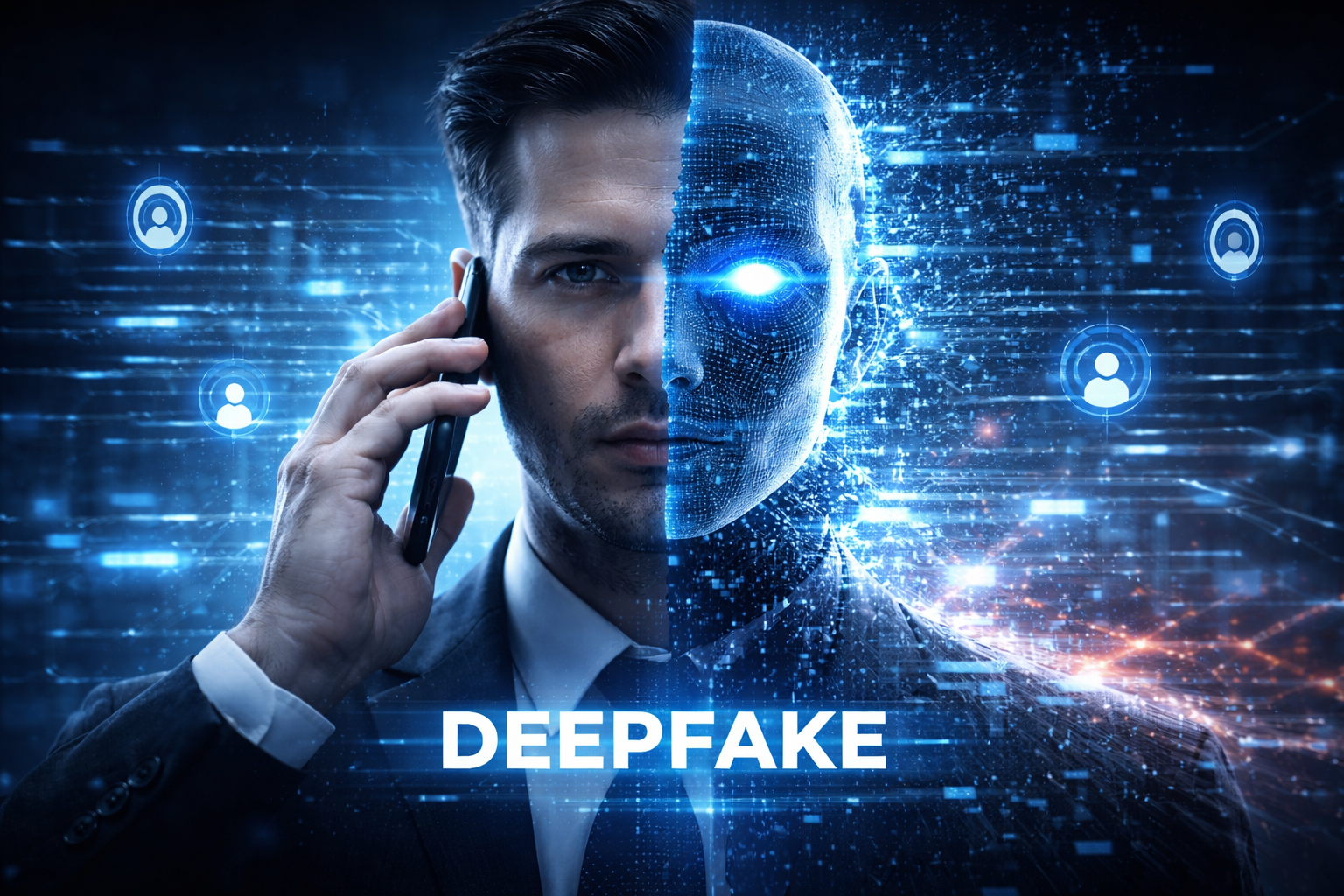
Deepfakes use artificial intelligence to create highly realistic fake audio, video, or images that mimic real people. In cybersecurity, this technology is being weaponized for fraud, impersonation, and social engineering attacks.
Imagine receiving a video call from your CEO asking for an urgent financial transfer. The voice, face, and mannerisms appear authentic. But it’s not real — it’s AI-generated.
This is not science fiction. It’s happening globally.
Cybercriminals now use publicly available videos, interviews, and social media content to train AI models that replicate executives, managers, or financial officers.
Why Deepfake Attacks Are So Dangerous
Traditional phishing emails often contained grammatical mistakes or suspicious formatting. Deepfake attacks eliminate those red flags.
They are:
- Highly personalized
- Context-aware
- Emotionally manipulative
- Extremely convincing
Finance departments, HR teams, and executives are prime targets. One successful impersonation can result in massive financial loss or data exposure.
Unlike malware attacks, deepfake scams exploit human trust — making them harder to detect using traditional security tools.
AI-Powered Phishing and Automation
Deepfakes are just one part of the AI-driven threat landscape. Cybercriminals are also leveraging AI for:
- Automated phishing campaigns
- Intelligent chatbot scams
- Real-time language translation for global attacks
- Automated vulnerability scanning
- AI-written malware code
These attacks are scalable. Instead of manually crafting emails, attackers deploy AI systems that generate thousands of customized messages within minutes.
This dramatically increases success rates.
The Business Impact in 2026
The financial consequences of AI-driven cyberattacks are severe. Beyond direct monetary loss, companies face:
- Regulatory penalties
- Legal consequences
- Brand reputation damage
- Customer trust erosion
- Operational disruption
With remote work and cloud-based systems becoming the norm, the attack surface has expanded significantly.
Cybersecurity is no longer just about protecting servers. It is about protecting identity, communication channels, and digital trust.
AI Fighting AI: The Defensive Strategy
The good news? Organizations are also using AI for defense.
Modern AI-based cybersecurity systems can:
- Detect unusual voice patterns in calls
- Identify manipulated video artifacts
- Monitor abnormal financial transaction behavior
- Analyze user behavior patterns
- Flag suspicious login activity
Machine learning models continuously learn from new threats, making them more effective over time.
AI-powered anomaly detection is becoming a core component of modern security infrastructure.
Zero Trust Still Matters
While deepfake attacks focus on impersonation, technical vulnerabilities remain critical.
The Zero Trust model continues to gain traction in 2026. Its principle is simple: Never trust, always verify.
Even if someone appears to be a legitimate executive, verification protocols such as multi-factor authentication and approval workflows must be followed.
This reduces the risk of social engineering success.
Employee Awareness Is Crucial
Technology alone cannot solve the problem. Human awareness remains essential.
Organizations must implement:
- Deepfake awareness training
- Clear financial approval processes
- Verification protocols for urgent requests
- Regular cybersecurity drills
- Strict identity authentication policies
Employees should be trained to verify unusual requests through secondary communication channels.
Preparing for the Future
AI will continue to evolve — and so will cyber threats. Businesses that proactively invest in AI-driven defense, Zero Trust architecture, and employee education will be better positioned to handle emerging risks.
The key is not panic — but preparation.
Cybersecurity in 2026 is about building digital resilience. The organizations that adapt quickly, strengthen verification processes, and leverage intelligent defense systems will thrive in the new digital era.
Deepfake threats may be growing — but so are the tools to stop them.