


 By
By Database Security in 2026: Protecting Data from Modern Cyber Threats
In today’s digital world, data is one of the most valuable assets for organizations. From customer details and financial records to business strategies and confidential information, databases store critical data that drives daily operations. However, as cyber threats continue to evolve, protecting databases has become more important than ever. This is where database security plays a vital role.
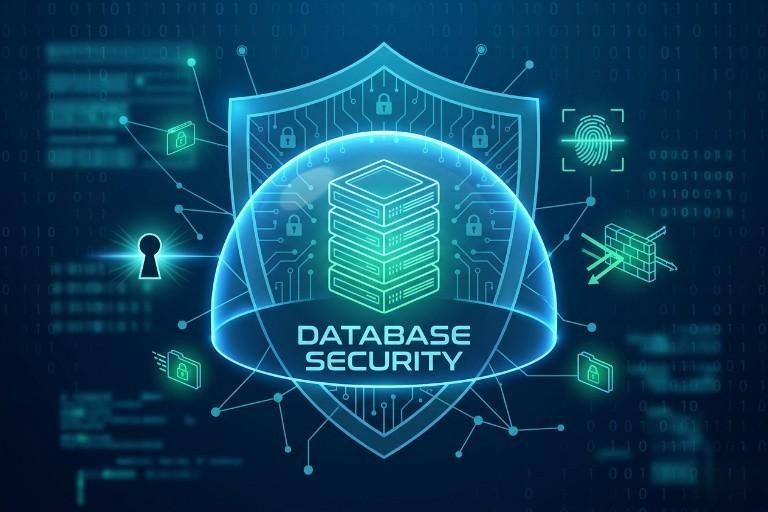
Database security refers to the practices, technologies, and policies used to protect databases from unauthorized access, theft, corruption, or misuse. A secure database ensures that only authorized users can access or modify information while keeping sensitive data safe from cybercriminals.
Why Database Security Matters
Businesses across industries depend heavily on databases. Whether it is banking, healthcare, e-commerce, or government services, compromised databases can lead to severe consequences. A single breach may expose confidential information, damage an organization’s reputation, and result in financial losses or legal penalties.
Cyberattacks targeting databases are becoming increasingly sophisticated. Hackers often exploit weak authentication systems, vulnerable applications, or poor security configurations to gain access. As organizations continue moving to cloud-based and hybrid environments, the need for strong database protection becomes even more critical.
Database security is no longer just an IT responsibility—it is a business necessity.
Common Database Security Threats
Understanding potential threats is the first step toward building stronger defenses. Some of the most common database security risks include:
1. SQL Injection Attacks
SQL injection remains one of the most dangerous threats to database systems. In this type of attack, hackers insert malicious SQL code into application input fields to manipulate database queries.
For example, poorly secured login forms or search boxes can allow attackers to bypass authentication or retrieve sensitive data. A successful SQL injection attack may expose customer records, passwords, or payment information.
To prevent SQL injection, developers should use:
- Parameterized queries
- Prepared statements
- Input validation and sanitization
- Secure coding practices
Regular security testing and vulnerability scanning also help identify weaknesses before attackers exploit them.
Role-Based Access Control (RBAC)
Not every employee or user needs full access to a database. One of the most effective database security measures is Role-Based Access Control (RBAC).
RBAC works by assigning permissions based on user roles rather than giving unrestricted access to everyone. For example:
- Database administrators may have full control
- Finance teams may access billing data only
- Customer support staff may view limited customer information
This approach follows the principle of least privilege, meaning users receive only the access required to perform their tasks.
Role-based access offers several advantages:
- Reduces insider threats
- Prevents accidental data modification
- Limits damage if user accounts are compromised
- Simplifies access management and auditing
Organizations that implement RBAC can better monitor database activity and maintain tighter control over sensitive information.
Encryption of Data at Rest
Data protection does not end with access control. Even if attackers gain physical or system-level access, sensitive information should remain unreadable. This is where encryption of data at rest becomes essential.
Data at rest refers to information stored in databases, servers, or storage devices. Encryption converts readable data into coded text that can only be decrypted using authorized keys.
Examples of encrypted data include:
- Customer personal information
- Password databases
- Financial records
- Medical or legal documents
Encryption provides an additional layer of defense against theft and unauthorized access. Even if hackers steal database files or backups, encrypted data remains difficult to use without the decryption keys.
Modern organizations increasingly adopt strong encryption standards such as AES (Advanced Encryption Standard) to secure stored information and meet regulatory compliance requirements.
Emerging Database Security Trends in 2026
Database security continues to evolve alongside emerging technologies and attack methods. Several trends are shaping database protection in 2026:
AI-Powered Threat Detection
Artificial intelligence and machine learning are helping organizations detect suspicious database activities faster. AI systems can identify unusual login attempts, abnormal query patterns, and potential insider threats in real time.
Cloud Database Security
As cloud adoption grows, organizations are focusing more on securing cloud-hosted databases through identity management, encryption, and continuous monitoring.
Zero Trust Security Models
The Zero Trust approach assumes no user or device should be automatically trusted. Every access request must be verified, reducing the chances of unauthorized database access.
Final Thoughts
Database security is a critical component of modern cybersecurity. With cyberattacks becoming more frequent and sophisticated, organizations cannot afford to overlook database protection.
By preventing SQL injection attacks, implementing role-based access control, and encrypting data at rest, businesses can significantly reduce security risks and protect valuable information. As technology evolves in 2026 and beyond, adopting proactive database security strategies will remain essential for safeguarding digital assets and maintaining customer trust.