


 By
By In today’s data-driven world, databases serve as the foundation of nearly every digital application. From financial records and healthcare data to user credentials and business intelligence, databases store some of the most sensitive information an organization possesses. As cyber threats continue to evolve in 2026, database security has become a critical priority for businesses of all sizes.
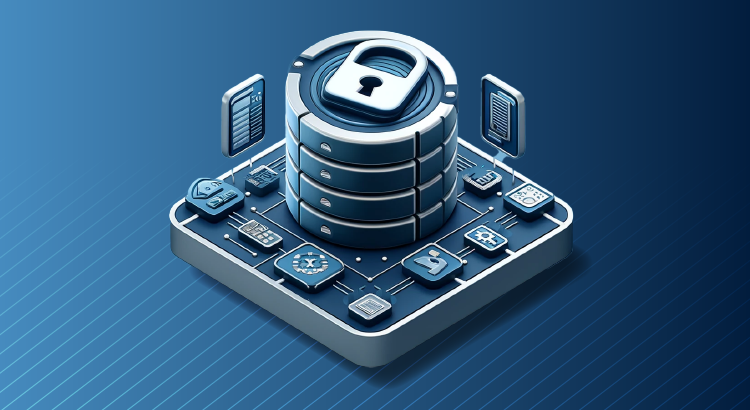
Database security focuses on protecting databases from unauthorized access, data breaches, corruption, and misuse. It involves a combination of technologies, processes, and best practices designed to safeguard data throughout its lifecycle.
Why Database Security Is More Important Than Ever
With the rapid growth of digital services, the volume of data being generated and stored has increased exponentially. This makes databases a prime target for cybercriminals seeking valuable information.
Data breaches can lead to severe consequences, including financial loss, legal penalties, and reputational damage. In many cases, attackers exploit simple vulnerabilities such as weak passwords, misconfigured databases, or unpatched systems.
Additionally, regulatory requirements around data privacy—such as GDPR and other global standards—have made it essential for organizations to implement strong database security measures.
SQL Injection Prevention: Stopping One of the Oldest Threats
SQL injection remains one of the most common and dangerous database vulnerabilities. It occurs when attackers insert malicious SQL queries into input fields, allowing them to manipulate or access the database.
Preventing SQL injection requires secure coding practices, including:
- Using parameterized queries or prepared statements
- Validating and sanitizing user inputs
- Avoiding dynamic SQL queries
- Implementing web application firewalls (WAFs)
By ensuring that user input is never directly executed as a query, organizations can significantly reduce the risk of SQL injection attacks.
Role-Based Access Control (RBAC): Limiting Access
Not every user needs access to all data. Role-Based Access Control (RBAC) ensures that users can only access the information necessary for their role.
Key principles of RBAC include:
- Assigning permissions based on job responsibilities
- Following the principle of least privilege
- Regularly reviewing and updating access rights
- Removing access for inactive or former users
By limiting access, organizations can minimize the risk of insider threats and accidental data exposure.
Encryption of Data at Rest and in Transit
Encryption is a fundamental component of database security. It protects sensitive data by converting it into an unreadable format that can only be accessed with the correct decryption key.
There are two main types of encryption:
- Data at rest – Protects stored data in databases and backups
- Data in transit – Secures data as it moves between applications and databases
Strong encryption algorithms and proper key management practices are essential to ensure data remains secure even if it is accessed by unauthorized parties.
Monitoring and Auditing Database Activity
Continuous monitoring is crucial for detecting suspicious activities and potential breaches. Database activity monitoring (DAM) tools track user actions, queries, and changes in real time.
Organizations should implement:
- Audit logs to track access and modifications
- Alerts for unusual behavior
- Regular security assessments
Monitoring not only helps detect threats but also supports compliance with regulatory requirements.
Backup and Recovery: Preparing for the Worst
Even with strong security measures, data loss can still occur due to cyberattacks, hardware failures, or human error. A robust backup and recovery strategy ensures that data can be restored quickly.
Best practices include:
- Regularly backing up databases
- Storing backups securely and separately
- Testing recovery processes
- Implementing automated backup solutions
Quick recovery minimizes downtime and ensures business continuity.
The Role of Automation and AI
Modern database security solutions increasingly rely on automation and artificial intelligence. These technologies can analyze patterns, detect anomalies, and respond to threats faster than traditional methods.
AI-driven tools can identify unusual queries or access patterns, helping organizations prevent breaches before they escalate.
Final Thoughts
Database security is a vital component of any cybersecurity strategy. As data continues to grow in importance, protecting it from unauthorized access and corruption is essential.
By implementing best practices such as SQL injection prevention, role-based access control, encryption, and continuous monitoring, organizations can build a strong defense against evolving threats.
In 2026, the organizations that prioritize database security will not only protect their data but also earn the trust of their customers and stakeholders in an increasingly data-centric world.