 By
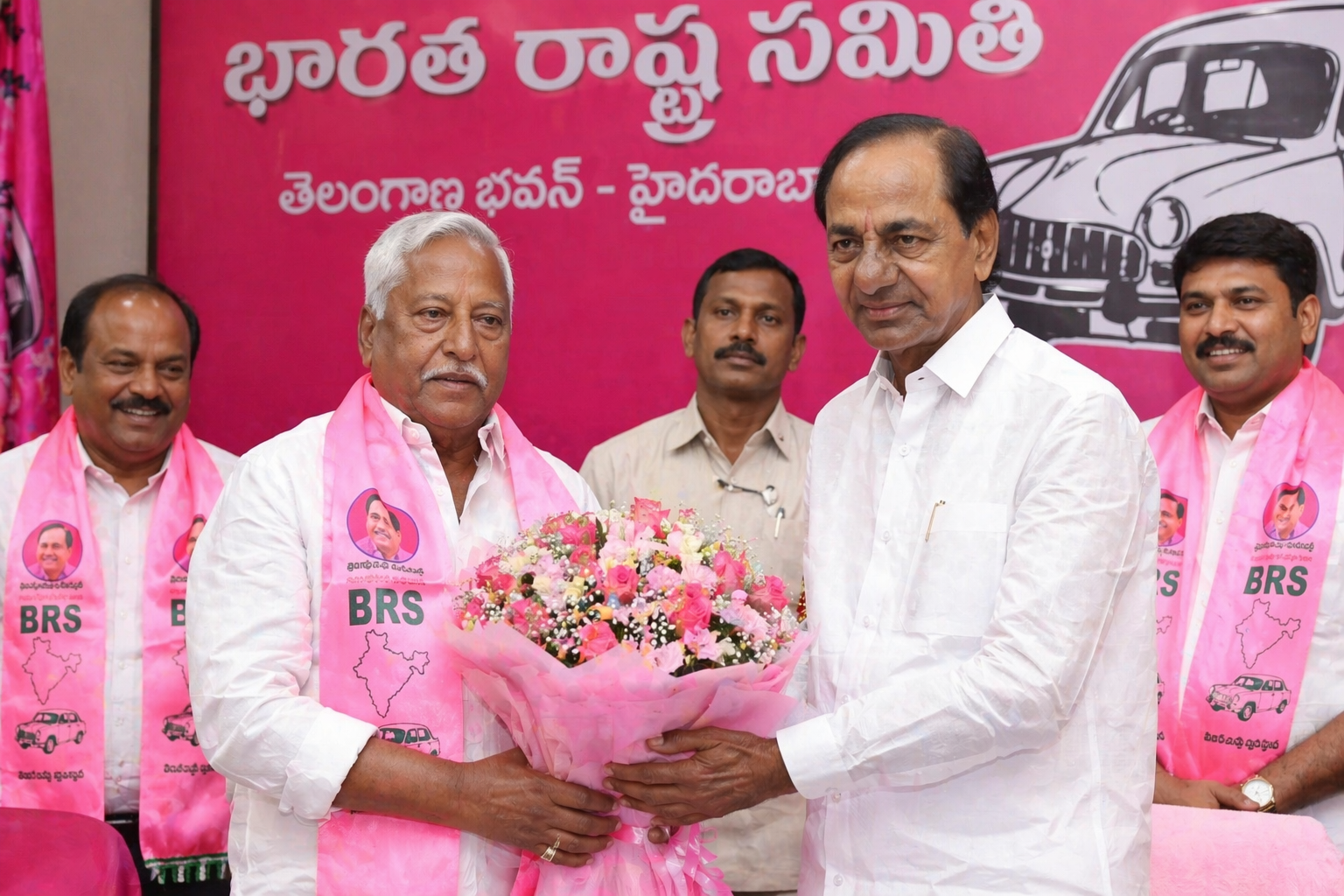
By Senior leader T. Jeevan Reddy has officially joined the Bharat Rashtra Samithi (BRS), marking a significant turning point in Telangana’s dynamic political landscape. His decision brings an end to his long-standing association with the Congress party and signals a fresh chapter in his political journey. For weeks, there had been intense speculation about his next move, with political circles closely watching his silence. His formal entry into BRS has now confirmed those speculations and added a new dimension to the ongoing political developments in the state.
Jeevan Reddy’s political career has been marked by years of grassroots engagement and influence, particularly in north Telangana. His departure from Congress is not just an individual decision but reflects broader shifts within the party’s internal structure and leadership dynamics. By choosing to align with BRS, he has positioned himself within a party that continues to play a central role in Telangana politics. His move is being interpreted as both a strategic decision for his political future and a calculated step that could reshape regional political equations.
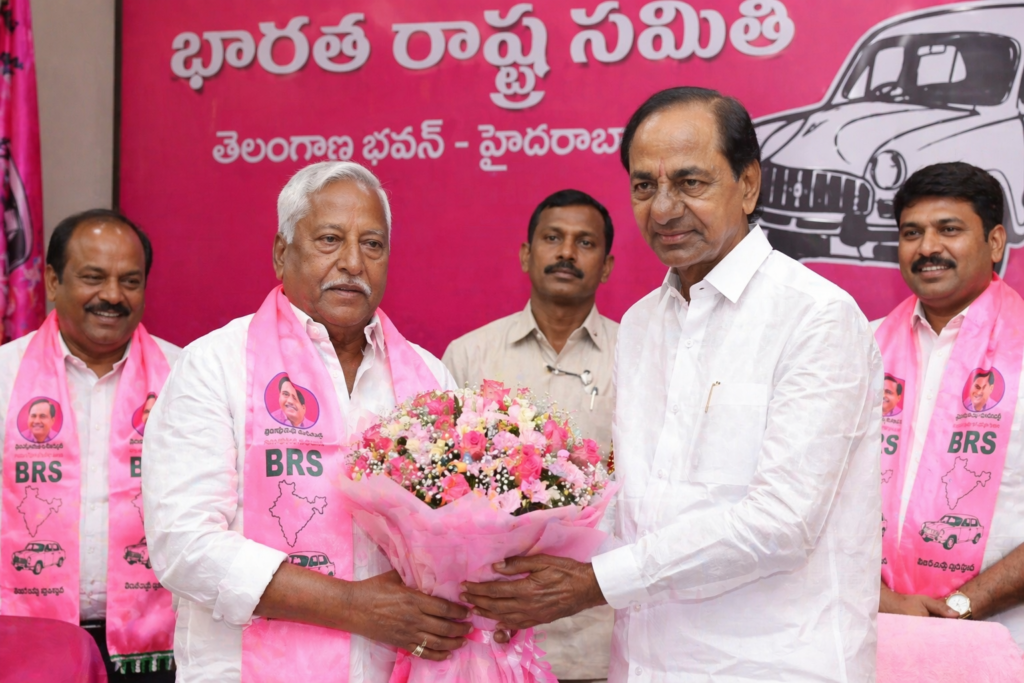
Speaking about his decision, Jeevan Reddy openly expressed dissatisfaction with the Congress party, alleging that he faced neglect and “humiliation” despite his seniority and contributions. He indicated that internal challenges, lack of recognition, and shifting priorities within the party forced him to reconsider his political alignment. His remarks highlight the growing concerns among several leaders regarding internal communication and leadership approach within Congress. Such issues, he suggested, made it increasingly difficult for him to continue in the party.
His criticism of Congress also reflects a wider narrative emerging in Telangana politics, where several leaders have voiced concerns about internal functioning and decision-making processes. Jeevan Reddy’s exit may therefore not be seen in isolation but as part of a larger trend of political realignments. These shifts are often driven by both ideological differences and practical considerations, including political opportunities, influence, and future prospects.
After joining BRS, Jeevan Reddy expressed strong confidence in the leadership of K. Chandrashekar Rao (KCR), praising his governance model and political vision. He stated that he was impressed by the party’s commitment to development and welfare, and believed that BRS provides a more effective platform to serve the people. By aligning himself with KCR, he has also signaled his willingness to work within a leadership structure that he views as decisive and result-oriented.
He further emphasized that his priority would be to strengthen the party at the grassroots level and expand its reach in regions where he has strong support. Jeevan Reddy’s entry is expected to boost BRS’s organizational strength, particularly in districts where he has built a loyal political base over the years. His ability to mobilize supporters and connect with local communities could play a crucial role in enhancing the party’s presence.
Political observers believe that his move could have a ripple effect, encouraging other leaders who are currently undecided about their political future to reconsider their positions. In a competitive political environment like Telangana, such shifts can significantly influence electoral dynamics. Parties often look to strengthen their ranks by bringing in experienced leaders who can contribute both strategically and organizationally, and Jeevan Reddy fits that profile.
The timing of his decision is also important. With political competition intensifying between major parties, including Congress and BRS, every significant defection or new induction carries weight. Jeevan Reddy’s entry into BRS comes at a time when the party is actively working to consolidate its base and regain political momentum. His inclusion could therefore be seen as part of a broader strategy to strengthen the party ahead of future elections.
In north Telangana, where Jeevan Reddy has considerable influence, his move is expected to impact local political alignments. His supporters are likely to follow him into BRS, thereby expanding the party’s reach in key constituencies. This could pose challenges for Congress, which may need to reassess its strategy in the region to counter the potential loss of support.
At the same time, his decision has also sparked political debate, with leaders from rival parties responding to his remarks and questioning his motivations. Such exchanges are a natural part of political transitions, especially when prominent leaders switch sides. While some see his move as a pragmatic decision, others interpret it as a reflection of deeper issues within party structures.
Jeevan Reddy’s entry into BRS also highlights the evolving nature of Telangana politics, where alliances and affiliations are increasingly fluid. Leaders are constantly evaluating their positions based on changing political realities, voter expectations, and party strategies. In this context, his move underscores the importance of adaptability and strategic thinking in modern politics.
For BRS, this development represents an opportunity to strengthen its position and broaden its appeal. By bringing in experienced leaders like Jeevan Reddy, the party can enhance its organizational capabilities and reinforce its presence in key regions. It also sends a message that the party remains a strong political force capable of attracting influential leaders.
Looking ahead, the focus will be on how Jeevan Reddy integrates into the party structure and what role he will play in shaping its future strategies. His experience and influence could be valuable assets, particularly in mobilizing support and addressing local issues. The coming months are likely to provide more clarity on his responsibilities and contributions within the party.
In conclusion, Jeevan Reddy’s decision to join BRS marks a significant moment in Telangana’s political landscape. It reflects both individual choice and broader political trends, highlighting the dynamic nature of state politics. As parties continue to compete for influence and support.