

 By
By 🚀 2. Evolution of Computers (Generations)
The evolution of computers is a remarkable journey that shows how technology has developed from large, slow, and expensive machines into small, fast, and intelligent systems. This development is divided into five generations. Each generation represents a major technological improvement in hardware, software, speed, size, storage capacity, and reliability. Understanding these generations helps us see how modern computers became powerful and essential in everyday life.
First Generation of Computers (1940–1956)
The first generation of computers used vacuum tubes as the main electronic component for processing data. Vacuum tubes were large electronic devices that controlled the flow of electricity. These computers were extremely large in size and occupied entire rooms. They consumed a huge amount of electricity and produced excessive heat, which often caused system failures.
Programming in first-generation computers was done using machine language, which consists of binary numbers (0 and 1). This made programming very difficult and time-consuming. Input was given using punched cards and paper tapes. The speed of these computers was very slow compared to modern systems, and they could perform only limited calculations.
Despite these limitations, first-generation computers were important because they marked the beginning of electronic computing. They were mainly used for scientific calculations and military purposes. However, due to their size, cost, and maintenance requirements, they were not suitable for general public use.
Second Generation of Computers (1956–1963)
The second generation of computers replaced vacuum tubes with transistors. The invention of the transistor was a major breakthrough in computer technology. Transistors were much smaller, faster, more reliable, and consumed less electricity compared to vacuum tubes. This significantly reduced the size and heat production of computers.
Second-generation computers were more efficient and powerful than their predecessors. Assembly language was introduced, making programming easier than machine language. High-level programming languages such as COBOL and FORTRAN were also developed during this period. These languages allowed programmers to write instructions in a more understandable format.
Computers in this generation were used in business, banking, and scientific research. They were more reliable and required less maintenance. Although still expensive, they were more accessible to large organizations and government institutions. The second generation marked the beginning of commercial computer use.
Third Generation of Computers (1964–1971)
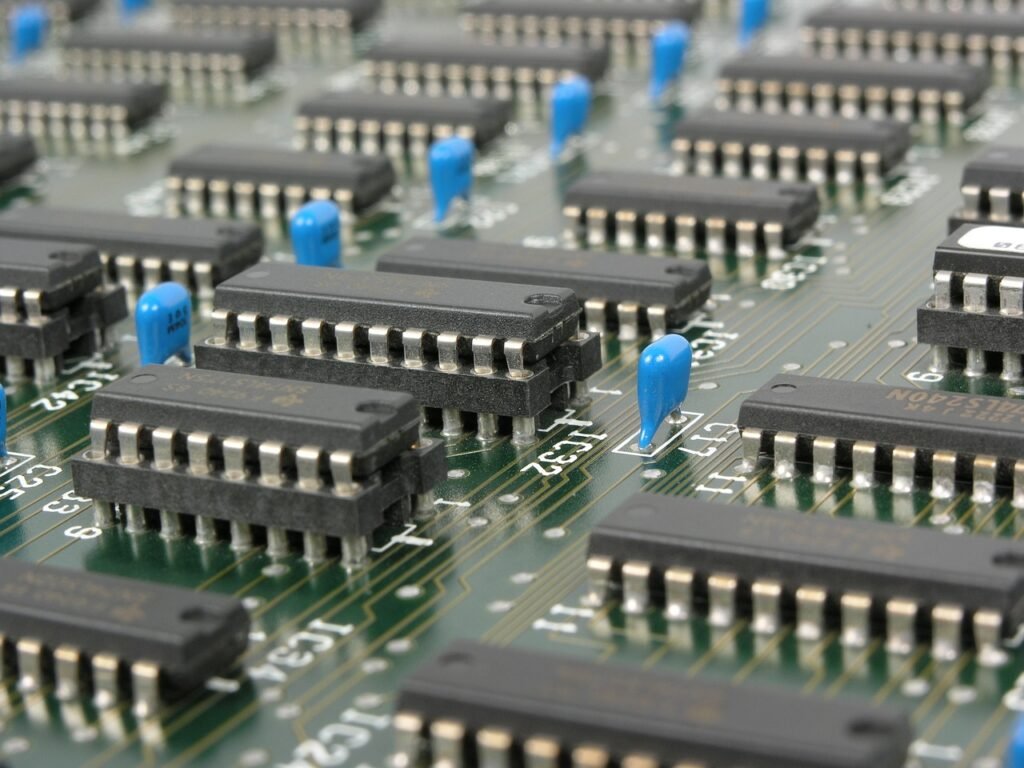
The third generation of computers introduced Integrated Circuits (ICs). An IC is a small chip that contains multiple transistors and electronic components combined into a single unit. This innovation made computers much smaller, faster, and more reliable. It also reduced production costs.
During this generation, computers became more user-friendly. Keyboards and monitors were introduced for input and output instead of punched cards. Operating systems were developed, allowing multiple programs to run at the same time. This concept is known as multitasking.
High-level programming languages became more popular, and computers were widely used in education, business, and industry. The third generation made computers more practical and efficient. This period laid the foundation for modern computing systems.
Fourth Generation of Computers (1971–Present)
The fourth generation of computers began with the invention of the microprocessor in 1971. A microprocessor is a single integrated chip that contains the Central Processing Unit (CPU). This major innovation revolutionized the computer industry.
With microprocessors, computers became much smaller, more powerful, and affordable. This led to the development of personal computers (PCs). For the first time, individuals could own and use computers at home and in small offices. The size of computers reduced from room-sized machines to desktop and laptop systems.
The fourth generation also saw rapid advancements in storage devices, graphical user interfaces (GUI), networking, and the internet. Software development expanded significantly, leading to the creation of operating systems like Windows and various application programs.
Modern devices such as desktops, laptops, tablets, and smartphones belong to this generation. Computers became an essential part of everyday life, used in communication, education, healthcare, entertainment, banking, and business. This generation continues to evolve with improvements in speed, memory, and connectivity.
Fifth Generation of Computers (Present and Future)
The fifth generation of computers focuses on Artificial Intelligence (AI). The goal of this generation is to create machines that can think, learn, and make decisions like humans. Unlike earlier generations that focused mainly on hardware improvements, the fifth generation emphasizes intelligent software and advanced processing techniques.
Technologies such as machine learning, natural language processing, robotics, and voice recognition are key features of this generation. AI-powered systems can understand human speech, recognize images, analyze large data sets, and solve complex problems. Virtual assistants, smart devices, and autonomous robots are examples of fifth-generation advancements.
Researchers are also working on quantum computing, which may further revolutionize computer performance by solving extremely complex problems at unimaginable speeds. Fifth-generation computers aim to improve automation, decision-making, and problem-solving capabilities in various fields such as medicine, transportation, finance, and space research.
This generation represents the future of computing, where machines become more interactive, intelligent, and capable of understanding human behavior. It is expected that AI systems will continue to grow and transform industries worldwide.
Conclusion
The evolution of computers from the first to the fifth generation shows extraordinary technological progress. The journey began with large vacuum tube machines that were slow and expensive. The invention of transistors, integrated circuits, and microprocessors made computers smaller, faster, and more reliable. Today, the focus is on artificial intelligence and intelligent computing systems.
Each generation contributed significantly to the development of modern computers. Without the innovations of earlier generations, today’s advanced technology would not exist. As technology continues to grow, computers will become even more powerful and intelligent, shaping the future of humanity in unimaginable ways.
do follow instagram