By
By Foldable Phones Take Center Stage in 2026: How Apple, Samsung and Huawei Are Changing Smartphones
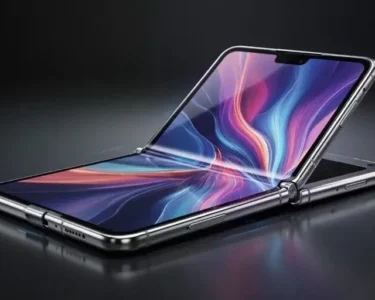
The smartphone industry is entering an exciting new chapter in 2026 as foldable phones become one of the biggest trends in consumer electronics. After years of experimentation with flexible displays, hinges and new form factors, manufacturers are now competing to make foldable devices thinner, stronger and more practical.
The biggest development this week is Apple’s entry into the foldable smartphone market. Apple has launched its first foldable iPhone, the iPhone Duo, adding a major new competitor to a category that has been led by Samsung and Chinese manufacturers. The device features a 7.6-inch internal display and a 5.4-inch cover display, bringing a tablet-like experience into a smartphone-sized device.
Why Foldable Phones Are Trending
Traditional smartphones have reached a point where major improvements are becoming harder to deliver every year. Displays are already large, processors are extremely powerful, and cameras continue to improve.
Foldable technology offers manufacturers a different way to innovate. A book-style foldable can provide a larger screen for multitasking, gaming and video while remaining relatively compact when closed.
This makes foldables particularly attractive to users who want the functionality of both a smartphone and a small tablet without carrying two separate devices.
Apple Enters the Foldable Market
Apple’s arrival could significantly change the market. The iPhone Duo represents Apple’s first major move into foldable smartphones and gives consumers another premium option.
The launch is especially significant because Apple has historically entered emerging product categories after competitors have spent years developing the technology. This approach allows Apple to learn from existing products while focusing on improving areas such as durability, software integration and user experience. Reuters notes that earlier foldables faced challenges including screen creases, battery limitations and camera compromises.
Apple’s entry could also increase consumer awareness of foldables and encourage more people to consider replacing their traditional smartphones with flexible-screen devices.
Samsung and Huawei Face Strong Competition
Samsung remains one of the most established companies in the foldable smartphone market. It has been developing foldable devices since 2019 and continues to improve its display materials, hinge mechanisms and overall durability.
Huawei is also pushing the category forward with its Mate XT2 series, which uses a tri-fold design. Instead of folding once, the device folds twice and can expand into a much larger, tablet-sized display. Huawei’s latest model also focuses on improved water resistance, hinge engineering and privacy features.
These developments show that manufacturers are no longer experimenting with just one foldable design. The industry is exploring several approaches, including book-style phones, flip phones and tri-fold devices.
The Technology Behind Better Foldables
One of the biggest challenges for foldable phones is the display itself. Flexible OLED panels need to withstand repeated folding while maintaining image quality.
Manufacturers are therefore investing in stronger materials and improved internal structures. Recent developments in foldable displays include reinforced materials designed to reduce crease visibility while improving durability and reducing panel thickness.
Another important area is the hinge. A well-designed hinge must be thin, durable and capable of supporting thousands of folding cycles. Cooling, batteries and internal components must also fit into increasingly thin devices.
Memory Costs Could Make Foldables More Expensive
Innovation is happening at a challenging time for the electronics industry. AI data centers are creating enormous demand for memory chips, contributing to shortages and higher component prices.
The resulting cost pressure is already affecting smartphones and other consumer electronics. Industry reports indicate that rising memory costs are influencing smartphone pricing and could limit shipment growth for some manufacturers.
For foldable phones, the problem can be even more significant because these devices already require specialized displays, hinges and other components.
What Is Next for Foldable Phones?
The next stage of the foldable-phone race will likely focus on thinner designs, better battery life, stronger displays, improved cameras and smarter AI features.
AI could become particularly important because larger foldable displays provide more space for multitasking and productivity. Users could run multiple applications, work with documents, edit photos or interact with AI assistants more comfortably.
TrendForce estimates that global foldable smartphone shipments will reach about 20.2 million units in 2026, although rising component costs are creating pressure on the market.
Ultimately, foldable phones may not replace traditional smartphones immediately. However, with Apple now entering the category and Samsung, Huawei and other manufacturers continuing to innovate, 2026 could become a turning point for foldable electronics.
The smartphone of the future may no longer simply be a device with a bigger screen. It could be a device that changes its shape depending on what you want to do.