 By
By As awareness about preventive healthcare continues to grow in 2026, health experts are placing greater emphasis on one essential habit that many people still overlook—quality sleep. While balanced nutrition and regular exercise remain important, researchers now believe that getting enough healthy sleep is equally vital for maintaining physical health, mental well-being, and long-term immunity.
Modern lifestyles have significantly changed sleeping habits. Long working hours, excessive smartphone use, late-night entertainment, and work-related stress have resulted in millions of people experiencing poor sleep quality. Healthcare professionals warn that consistently sleeping fewer than seven hours or experiencing interrupted sleep may increase the risk of several chronic health conditions.
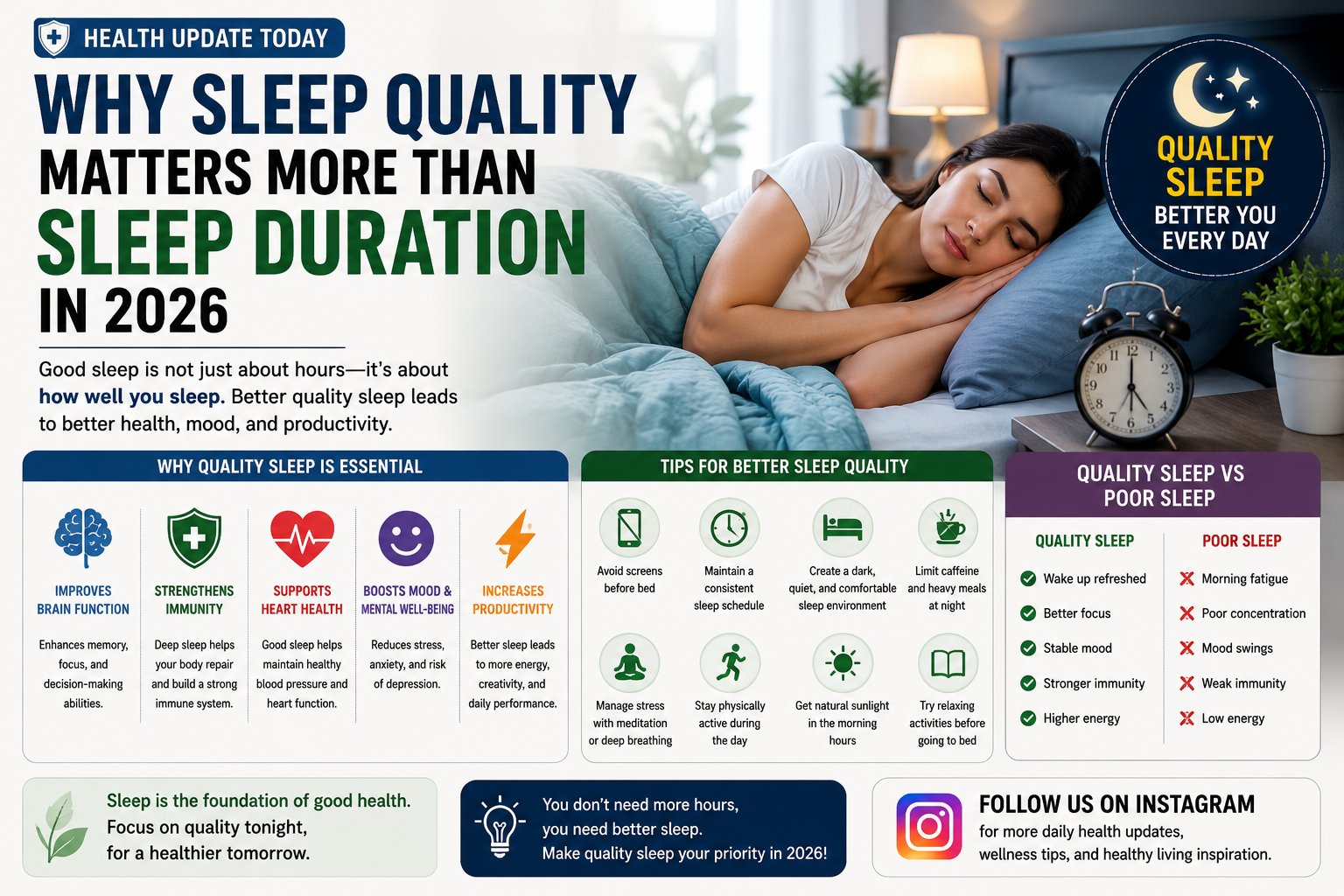
One of the biggest benefits of quality sleep is its role in strengthening the body’s natural recovery process. During deep sleep, the body repairs damaged tissues, restores energy levels, balances hormones, and supports the immune system. Medical experts explain that individuals who maintain a consistent sleep schedule often experience better overall health compared to those with irregular sleeping patterns.
Sleep also has a direct impact on brain health. While we sleep, the brain processes information, strengthens memory, and removes waste products that accumulate during the day. People who get enough restful sleep generally perform better at work, make quicker decisions, and maintain stronger concentration throughout the day. This is why many neurologists now describe quality sleep as one of the most effective ways to improve mental performance naturally.
Another reason sleep has become a major health focus is its connection to heart health. Research suggests that poor sleep may contribute to high blood pressure, increased inflammation, and elevated stress hormones. Over time, these factors can increase the risk of cardiovascular disease. Health professionals recommend maintaining a regular bedtime routine as part of a comprehensive heart-healthy lifestyle.
Quality sleep also plays a significant role in weight management. Individuals who consistently sleep well are more likely to maintain balanced hunger hormones such as leptin and ghrelin. Lack of sleep may increase cravings for sugary snacks, processed foods, and high-calorie meals, making it harder to maintain a healthy body weight. Experts encourage combining healthy eating with proper sleep to support long-term healthy lifestyle goals.
Mental health specialists continue to highlight the strong relationship between sleep and emotional well-being. Insufficient sleep can contribute to increased stress, irritability, anxiety, and mood swings. On the other hand, people who enjoy regular, restorative sleep often report improved emotional balance, higher productivity, and greater resilience during stressful situations. Maintaining good mental health begins with giving the brain enough time to recover every night.
Technology has become one of the biggest challenges affecting sleep quality in 2026. Many individuals spend hours scrolling through social media or watching videos before bedtime. The blue light emitted by smartphones, tablets, and laptops may interfere with the body’s natural production of melatonin, the hormone responsible for regulating sleep. Experts recommend limiting screen time at least one hour before bedtime to promote better sleep quality.
Creating a healthy bedtime routine can significantly improve sleep. Healthcare professionals advise going to bed and waking up at the same time every day, keeping the bedroom cool and quiet, avoiding caffeine late in the evening, and engaging in relaxing activities such as reading or meditation before sleeping. These simple habits can help the body develop a natural sleep rhythm.
Regular physical activity also supports healthy sleep patterns. Walking, cycling, yoga, or light exercise during the day can help people fall asleep more quickly and experience deeper sleep at night. However, experts recommend avoiding intense workouts immediately before bedtime, as they may temporarily increase energy levels and delay sleep.
Nutrition also influences sleep quality. Foods rich in magnesium, potassium, and tryptophan—including bananas, almonds, oats, milk, and leafy green vegetables—may help promote relaxation. Staying hydrated throughout the day while limiting heavy meals close to bedtime can also improve overall sleep comfort.
Healthcare providers emphasize that sleep should no longer be viewed as a luxury but as a basic requirement for maintaining overall wellness. Just as the body needs nutritious food and regular exercise, it also depends on consistent, high-quality sleep to function efficiently. Small improvements in sleeping habits today can reduce the risk of future health complications while improving daily energy, focus, and productivity.
As more research highlights the importance of sleep, individuals are becoming increasingly aware that true health begins with proper rest. Prioritizing healthy sleep, reducing nighttime distractions, and following a consistent routine can help people enjoy better physical health, stronger immunity, improved brain function, and a higher quality of life.
Good sleep is not simply about spending more hours in bed—it’s about giving the body and mind the opportunity to recover, repair, and prepare for a healthier tomorrow. By making sleep a daily priority, individuals can take one of the most powerful steps toward long-term wellness in 2026.
Follow Us On Instagram for more daily health updates, sleep health tips, wellness news, healthy lifestyle advice, and the latest information on preventive healthcare.
Follow Us On Instagram