


 By
By IoT Security in 2026: Protecting Connected Devices in an Increasingly Smart World
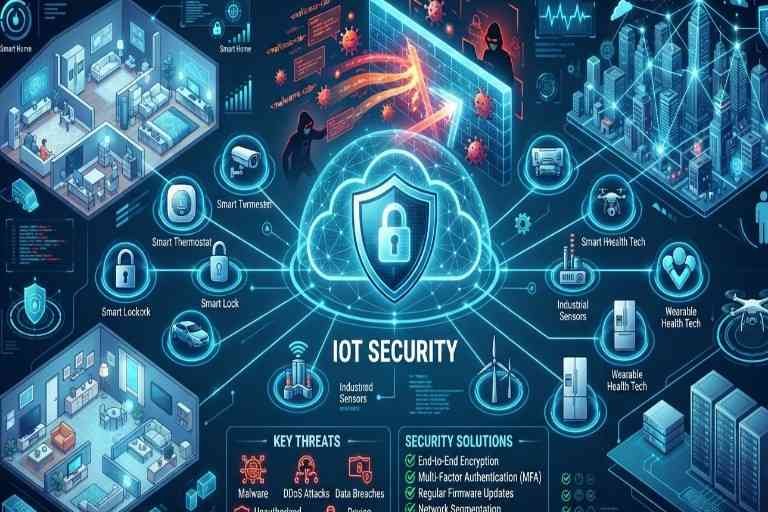
The Internet of Things (IoT) has transformed the way people live and work. From smart home devices and wearable fitness trackers to connected industrial machinery and healthcare equipment, billions of devices are now connected to the internet. These technologies improve convenience, efficiency, and automation, but they also introduce new cybersecurity challenges. As cybercriminals increasingly target connected devices, IoT Security has become a critical component of modern cybersecurity strategies in 2026.
IoT Security refers to the technologies, policies, and best practices used to protect internet-connected devices, networks, and the data they generate. The goal is to prevent unauthorized access, data breaches, malware infections, and operational disruptions while ensuring the safe and reliable operation of connected technologies.
Why IoT Security Matters
The number of IoT devices worldwide continues to grow rapidly. Smart homes, smart cities, healthcare systems, manufacturing facilities, and transportation networks all rely on connected devices to collect and exchange information.
However, many IoT devices were designed with limited security capabilities. Weak passwords, outdated firmware, and insecure network configurations can create vulnerabilities that attackers exploit.
Common IoT security threats include:
- Unauthorized device access.
- Malware and ransomware attacks.
- Data theft and privacy breaches.
- Botnet attacks.
- Device hijacking.
- Network infiltration.
A compromised IoT device can provide attackers with access to sensitive information or serve as an entry point into larger networks. This makes securing connected devices more important than ever.
Securing Smart Home Devices
Smart homes have become increasingly popular, with devices such as smart speakers, security cameras, smart locks, thermostats, lighting systems, and video doorbells offering convenience and automation.
While these devices enhance daily life, they can also expose personal information if not properly secured.
Best practices for protecting smart home devices include:
- Changing default usernames and passwords.
- Enabling Multi-Factor Authentication (MFA).
- Keeping device firmware updated.
- Using strong Wi-Fi encryption such as WPA3.
- Disabling unnecessary remote access features.
Manufacturers are also embracing secure-by-design principles, integrating stronger security features directly into products before they reach consumers.
Protecting Wearable Devices
Wearable technology has expanded far beyond fitness tracking. Smartwatches, health monitoring devices, and connected medical equipment now collect valuable personal and health-related information.
Because wearable devices often synchronize data with smartphones and cloud platforms, they can become targets for cybercriminals seeking access to sensitive information.
Organizations and consumers can improve wearable security by:
- Encrypting stored and transmitted data.
- Applying software updates promptly.
- Reviewing app permissions regularly.
- Using biometric authentication when available.
- Connecting only to trusted networks and devices.
Protecting wearable devices helps preserve user privacy and prevents unauthorized access to personal information.
Securing Connected Industrial Machines
Industrial Internet of Things (IIoT) technology has transformed manufacturing, logistics, transportation, energy production, and other critical sectors. Connected sensors and machines provide real-time operational data, predictive maintenance insights, and improved efficiency.
However, cyberattacks targeting industrial IoT systems can disrupt operations, damage equipment, and create safety risks.
Effective industrial IoT security measures include:
- Network segmentation between IT and Operational Technology (OT) systems.
- Strong access control policies.
- Continuous monitoring of connected devices.
- Regular vulnerability assessments.
- Prompt firmware and software updates.
Securing industrial machines is essential for maintaining productivity, safety, and business continuity.
Emerging IoT Security Trends in 2026
As IoT adoption grows, organizations are implementing advanced security solutions to address evolving threats.
AI-Powered Threat Detection
Artificial intelligence and machine learning help identify unusual device behavior, detect attacks faster, and automate responses to potential threats.
Zero Trust Security
Zero Trust principles require continuous verification of users, devices, and applications before granting access to network resources.
Secure-by-Design Development
Manufacturers are increasingly embedding security controls into devices during the design and development stages.
Regulatory Compliance
Governments worldwide are introducing stricter regulations and security standards for connected devices to improve consumer protection and reduce cyber risks.
Best Practices for Strengthening IoT Security
Organizations and individuals can enhance IoT security by following these essential practices:
- Replace default passwords immediately.
- Enable encryption for data transmission and storage.
- Keep firmware and software updated.
- Monitor device activity continuously.
- Segment IoT devices from critical networks.
- Remove unsupported or obsolete devices.
- Conduct routine security assessments.
A proactive security strategy helps minimize vulnerabilities and improve overall resilience.