 By
By IoT Security: Protecting Connected Devices from Cyber Threats
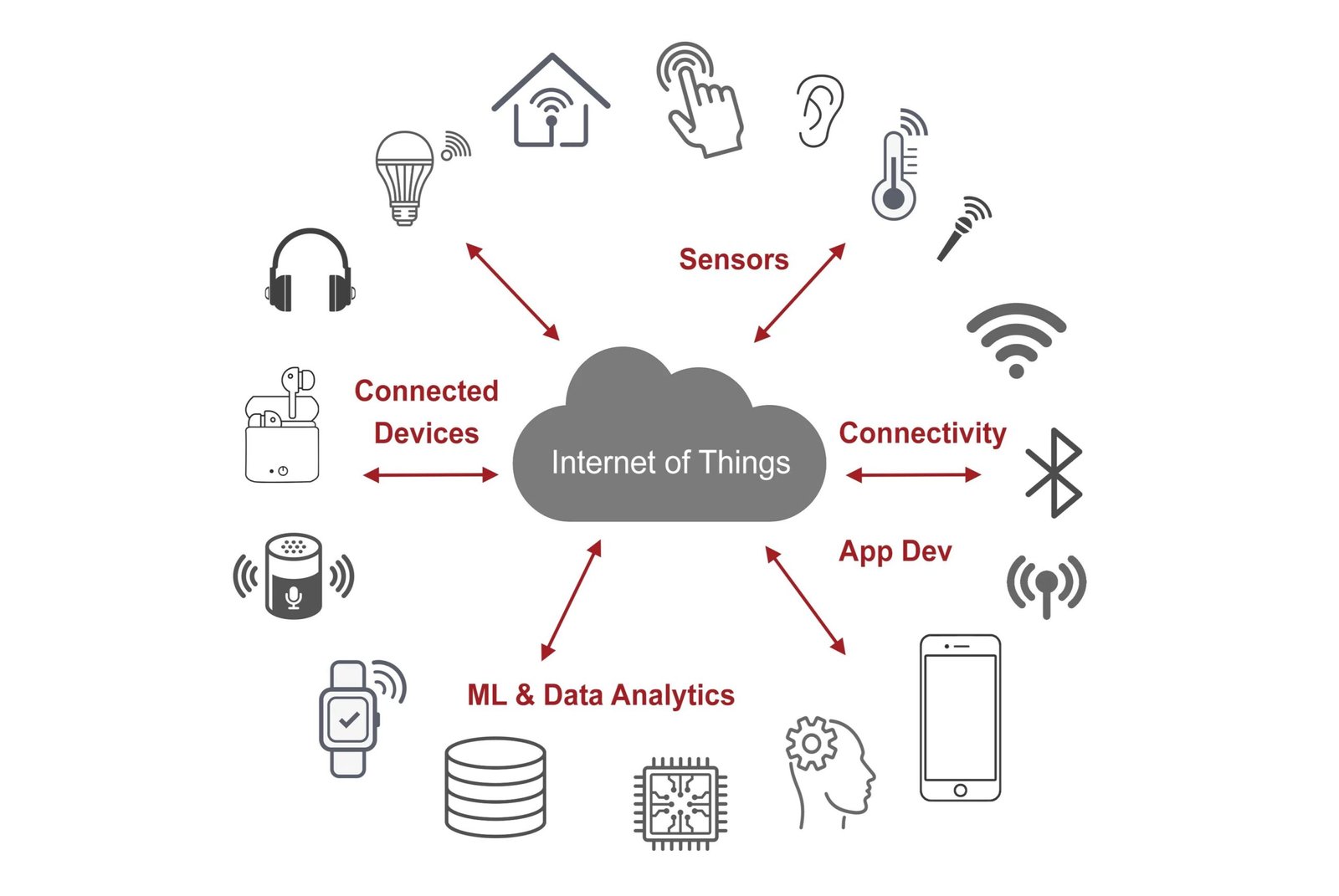
The Internet of Things (IoT) has revolutionized the way people interact with technology. From smart home assistants and wearable fitness trackers to connected industrial machines, IoT devices have become an integral part of modern life. These devices collect and exchange data through the internet to provide automation, efficiency, and convenience.
However, as the number of connected devices grows, so does the risk of cyber threats. Each IoT device connected to the internet can potentially become a target for attackers. This makes IoT security a critical component of modern cybersecurity strategies.
IoT security focuses on protecting internet-connected devices and networks from unauthorized access, cyberattacks, and data breaches. It ensures that connected devices function safely while protecting the sensitive information they collect and transmit.
Why IoT Security Is Important
IoT devices are used across multiple sectors including homes, healthcare, manufacturing, transportation, and smart cities. These devices collect valuable data and often control important functions in both personal and industrial environments.
For example, smart home devices control lighting, security cameras, and thermostats. Wearables track personal health data such as heart rate and physical activity. Industrial IoT systems monitor machinery, production lines, and energy systems.
If these devices are compromised, attackers may gain access to private information or disrupt critical operations. In some cases, compromised IoT devices can even be used to launch large-scale cyberattacks such as botnets.
Strong IoT security measures help protect devices, networks, and data from such threats while maintaining user privacy and system reliability.
Common Types of IoT Devices
IoT security must protect a wide range of connected devices used in everyday environments and industrial systems.
1. Smart Home Devices
Smart home technology has become increasingly popular. Devices such as smart speakers, smart thermostats, security cameras, and smart locks help automate daily activities and improve convenience.
However, many smart home devices have limited built-in security features. Weak passwords, outdated firmware, and unsecured Wi-Fi networks can create vulnerabilities that attackers may exploit.
Users should secure smart home devices by using strong passwords, enabling two-factor authentication, and regularly updating device firmware.
2. Wearable Devices
Wearables such as smartwatches and fitness trackers monitor health-related data including heart rate, sleep patterns, and physical activity. These devices provide valuable health insights but also store sensitive personal data.
If wearable devices are not properly secured, attackers may gain access to private health information or manipulate device data. To protect wearable ecosystems, manufacturers must implement secure data transmission, encryption, and secure mobile applications.
Users should also ensure that their wearable devices are connected to trusted apps and updated regularly.
3. Connected Industrial Machines
Industrial IoT (IIoT) devices are used in factories, manufacturing plants, energy systems, and transportation networks. These devices help monitor equipment, automate production processes, and improve operational efficiency.
However, industrial IoT devices are often connected to critical infrastructure systems. If attackers gain access to these systems, they could disrupt operations, damage equipment, or compromise sensitive industrial data.
Organizations must implement strict security measures such as network segmentation, device authentication, and continuous monitoring to protect industrial IoT systems.
Key Challenges in IoT Security
Securing IoT environments presents several challenges due to the diversity and scale of connected devices.
Limited Device Security
Many IoT devices are designed for convenience and cost efficiency rather than strong security.
Large Number of Devices
Managing security across thousands or millions of devices can be complex.
Lack of Standardization
Different manufacturers use different security standards, making consistent protection difficult.
Delayed Updates
Some devices rarely receive security updates, leaving vulnerabilities unpatched.
These challenges highlight the need for stronger security frameworks and industry-wide standards.
Best Practices for Improving IoT Security
To reduce security risks in IoT environments, organizations and individuals should follow several best practices:
- Use strong passwords and multi-factor authentication
- Regularly update device firmware and software
- Secure networks with encryption and firewalls
- Segment IoT devices from critical systems
- Monitor device activity for suspicious behavior
- Purchase devices from trusted manufacturers
Implementing these practices can significantly improve the security of connected devices.
The Future of IoT Security
As IoT technology continues to expand, security solutions are also evolving. Emerging technologies such as AI-powered threat detection, zero-trust architectures, and blockchain-based device authentication are helping strengthen IoT ecosystems.
Governments and technology companies are also working on regulations and security standards to improve the safety of IoT devices worldwide.
The future of IoT security will focus on creating smarter, more secure systems capable of protecting billions of connected devices.