

 By
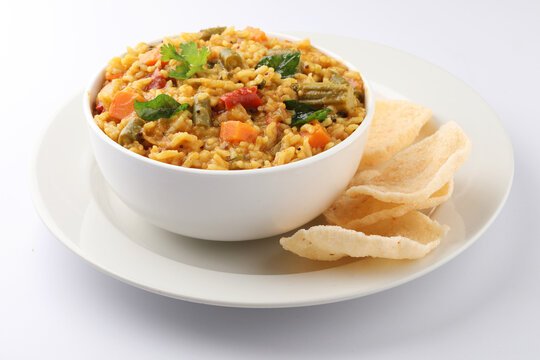
By Millet Sambar Rice is a wholesome, comforting South Indian one-pot meal made with nutritious millet, lentils, vegetables, aromatic spices, and tangy tamarind. It is similar to traditional sambar rice but uses millet instead of white rice, making it a delicious option for anyone looking to include more whole grains in their everyday meals. The dish is soft, flavorful, mildly spicy, and perfect for lunch or dinner.
Ingredients
For Millet Sambar Rice
- 1 cup millet
- ½ cup toor dal (pigeon peas)
- 1 medium onion, chopped
- 1 tomato, chopped
- 1 small carrot, chopped
- ½ cup beans, chopped
- ½ cup pumpkin or bottle gourd, chopped
- 1 small potato, chopped
- 2 green chilies, slit
- ½ teaspoon turmeric powder
- 2 tablespoons sambar powder
- Small lemon-sized ball of tamarind
- 1 tablespoon jaggery
- Salt to taste
- 5–6 cups water
For Tempering
- 2 tablespoons oil or ghee
- 1 teaspoon mustard seeds
- ½ teaspoon cumin seeds
- ½ teaspoon fenugreek seeds
- 1 dried red chili
- 8–10 curry leaves
- A pinch of asafoetida
For Garnishing
- 2 tablespoons chopped coriander leaves
- 1 teaspoon ghee
Preparation
Start by washing the millet thoroughly under running water. Rinse it two or three times until the water becomes relatively clear. Soaking the millet for around 15–20 minutes is optional, but it can help improve its texture and reduce the cooking time.
Wash the toor dal separately and add it to a pressure cooker. Add turmeric powder and around 2 cups of water. Pressure cook the dal for about 3–4 whistles or until it becomes soft and mushy. Once the pressure releases naturally, mash the dal well and keep it aside.
While the dal is cooking, prepare the vegetables. Wash and chop the onion, tomato, carrot, beans, pumpkin, and potato into small pieces. Using vegetables of different colors and textures makes the dish more nutritious and attractive. You can also add drumsticks, brinjal, peas, or other vegetables according to your preference.
Soak the tamarind in warm water for about 10–15 minutes. Squeeze it well and extract the juice. Remove the seeds and fibers and keep the tamarind water aside.
Cooking the Millet
Heat a pressure cooker or heavy-bottomed pot and add the washed millet. Add the chopped vegetables, onion, tomato, green chilies, turmeric powder, sambar powder, salt, and approximately 4 cups of water.
Mix everything well and close the pressure cooker. Cook for about 3–4 whistles on medium heat. Millet cooks faster than regular rice, so avoid overcooking it for too long. Once the pressure releases naturally, open the cooker and gently mix the millet and vegetables.
Add the cooked and mashed toor dal to the millet mixture. Pour in the prepared tamarind extract and add jaggery. Mix everything thoroughly.
If the mixture appears too thick, add another ½–1 cup of hot water. Millet sambar rice generally thickens as it cools, so keeping it slightly loose while cooking gives it the perfect consistency.
Cook the mixture on low flame for another 5–7 minutes. Stir occasionally to prevent it from sticking to the bottom. Allowing the sambar, vegetables, millet, and dal to simmer together helps all the flavors blend beautifully.
Preparing the Tempering
For the final tempering, heat oil or ghee in a small pan. Add mustard seeds and allow them to splutter. Add cumin seeds, fenugreek seeds, dried red chili, curry leaves, and a pinch of asafoetida.
Fry the tempering for a few seconds until the curry leaves become aromatic. Be careful not to burn the spices, especially fenugreek seeds, as they can become bitter.
Pour the hot tempering over the cooked millet sambar rice and mix gently. Finish with freshly chopped coriander leaves and a teaspoon of ghee.
Serving Suggestions
Millet Sambar Rice tastes best when served hot. A spoonful of ghee on top adds richness and enhances the aroma of the spices. It can be served with papad, potato fry, vegetable chips, pickle, or a simple cucumber and onion salad.
For a traditional South Indian-style meal, serve it with curd or plain yogurt on the side. The mild cooling effect of curd pairs especially well with the spicy and tangy flavors of sambar rice.
Tips for Perfect Millet Sambar Rice
Choosing the right amount of water is important because millet absorbs water differently depending on the variety. If you prefer a soft, khichdi-like consistency, use a little more water.
You can use foxtail millet, little millet, barnyard millet, kodo millet, or proso millet. Each variety may require slightly different cooking times, so adjust the water and cooking time accordingly.
Adding a small amount of jaggery helps balance the sourness of tamarind and the heat from the spices. It should not make the dish sweet; it simply creates a well-balanced flavor.
For a richer taste, use ghee instead of oil for tempering. You can also add roasted cashews for extra crunch, although they are optional.
If you are preparing this dish for children, reduce the green chilies and sambar powder. For adults who enjoy spicy food, additional chili powder can be added according to taste.
Nutritional Benefits
Millet Sambar Rice combines the nutritional benefits of millet, lentils, and vegetables in one satisfying meal. Millet provides fiber and several essential minerals, while toor dal contributes plant-based protein. The variety of vegetables adds vitamins, minerals, and antioxidants.
Because it is a one-pot meal, it is also convenient for busy days. It requires minimal preparation and cleanup while still providing a balanced combination of grains, protein, and vegetables.
Conclusion
Millet Sambar Rice is a flavorful and nutritious twist on the classic South Indian sambar rice. The combination of soft millet, creamy dal, fresh vegetables, tangy tamarind, aromatic sambar powder, and fragrant tempering creates a comforting meal that can easily become part of your regular menu. Whether you are preparing lunch for your family or looking for a wholesome dinner option, this simple millet-based recipe is filling, delicious, and easy to customize.
Follow Us On Instagram .