


 By
By Mobile Security: Protecting Smartphones, Tablets, and Mobile Apps
In today’s digital world, smartphones and tablets have become an essential part of everyday life. From banking and shopping to remote work and communication, mobile devices now handle sensitive personal and business data. As mobile usage continues to rise, so do the cybersecurity risks associated with it.
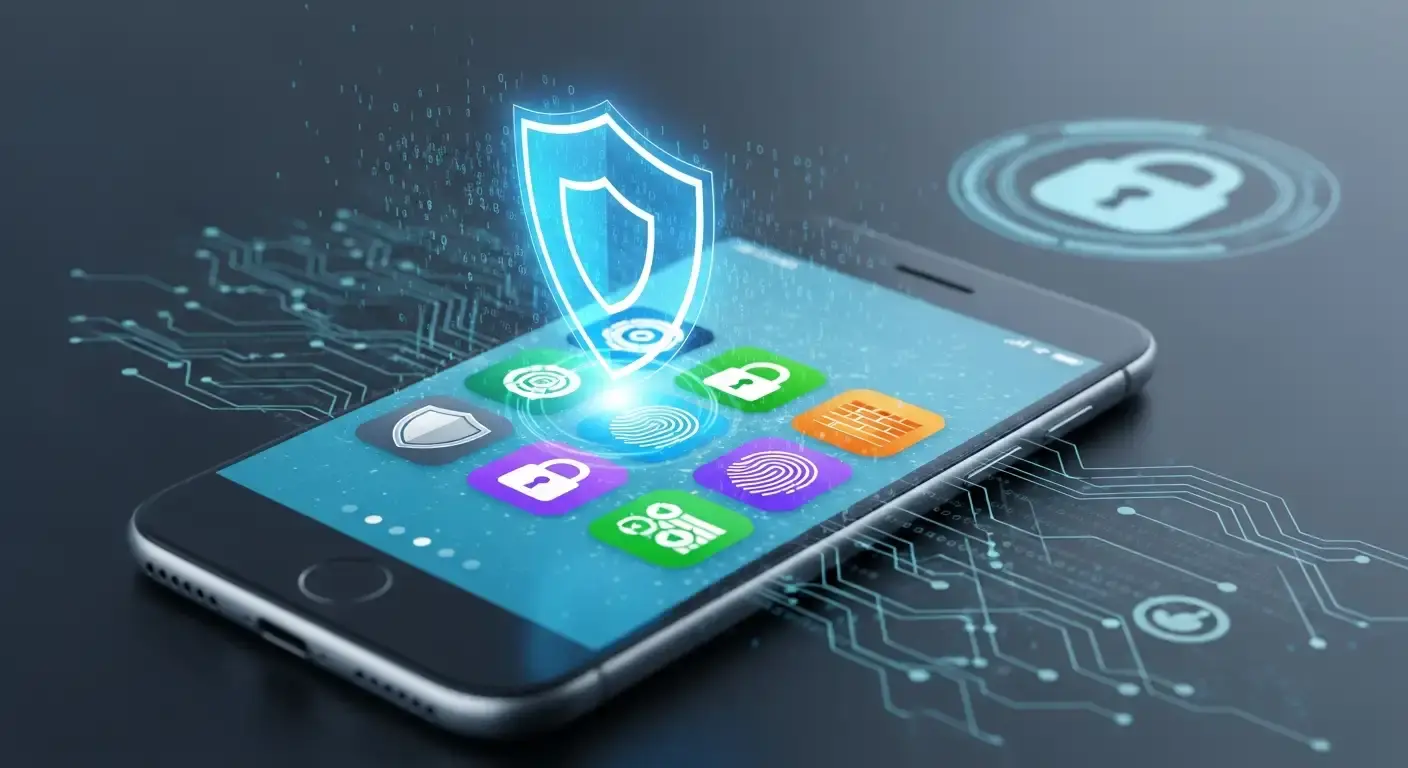
Mobile Security focuses on protecting smartphones, tablets, and mobile applications from threats such as malware, phishing, unauthorized access, and data breaches. It combines technologies, policies, and best practices to ensure devices and the information stored on them remain secure.
Without strong mobile security, users risk identity theft, financial loss, and privacy breaches.
Why Mobile Security Is Important
Mobile devices store a large amount of sensitive information, including:
- Personal photos and messages
- Banking and payment details
- Business emails and documents
- Login credentials
- Health and location data
Because these devices are constantly connected to the internet, public Wi-Fi, and mobile apps, they are attractive targets for cybercriminals.
Common threats include malicious apps, phishing messages, spyware, and device theft. If a device is compromised, attackers may gain access to private information or even corporate systems.
This is why mobile security is essential for both individuals and businesses.
Key Components of Mobile Security
1. App Sandboxing
App sandboxing is one of the most important security features in modern mobile operating systems. It isolates each app in its own secure environment.
This means one app cannot directly access another app’s data unless explicit permission is granted.
For example:
- A photo editing app cannot access banking data
- A game cannot read private messages
Sandboxing helps contain malware and prevents malicious apps from spreading across the device.
It is a core feature in platforms like Android and iOS.
2. Mobile Antivirus
Mobile antivirus applications help detect and remove malicious software such as:
- Viruses
- Spyware
- Trojan apps
- Phishing links
- Unsafe downloads
These tools scan apps, files, and browsing activity in real time.
They can also warn users about suspicious websites and unsafe Wi-Fi networks.
Antivirus solutions provide an extra layer of protection, especially for devices used for business purposes.
3. Device Encryption
Device encryption protects data stored on mobile devices by converting it into unreadable code.
Even if the device is lost or stolen, attackers cannot access the data without the correct passcode or authentication key.
Encryption protects:
- Photos and videos
- Messages
- Passwords
- Business documents
- Payment information
Most modern smartphones automatically enable encryption by default, making it a key defense against physical theft.
4. Secure Authentication
Secure authentication ensures only authorized users can access devices and apps.
Modern devices now use advanced authentication methods such as:
- Fingerprint recognition
- Face unlock
- Strong PIN or passcodes
- Multi-factor authentication (MFA)
- One-time passwords (OTP)
These methods significantly reduce the risk of unauthorized access.
Biometric authentication is now widely used because it combines convenience with strong security.
Common Mobile Security Threats
Mobile devices face several evolving threats:
Malicious Apps
Fake apps disguised as legitimate software.
Phishing Attacks
Fraudulent messages or links designed to steal credentials.
Public Wi-Fi Risks
Attackers intercept data on unsecured networks.
Data Leakage
Poorly designed apps expose user data.
Understanding these threats helps users stay protected.
Best Practices for Strengthening Mobile Security
To improve mobile device protection, users should follow these best practices:
- Install apps only from trusted app stores
- Keep apps and OS updated regularly
- Enable device encryption
- Use strong passwords and MFA
- Avoid unsecured public Wi-Fi
- Use trusted mobile antivirus tools
- Lock devices with biometrics or passcodes
Regular updates are especially important because they patch newly discovered vulnerabilities.
Future of Mobile Security
As mobile technology continues to evolve, mobile security is becoming smarter.
Emerging trends include:
- AI-powered threat detection
- Zero Trust mobile access
- Behavior-based authentication
- Secure enterprise mobility management
With mobile payments, digital identity apps, and remote work growing rapidly, mobile security will remain one of the most important cybersecurity domains.