


 By
By Physical Security: Protecting People, Property, and Critical Assets
In today’s security landscape, organizations often focus heavily on digital threats, but physical security remains equally important. While cybersecurity protects digital systems, physical security safeguards people, buildings, equipment, and sensitive assets from theft, unauthorized access, vandalism, and emergencies.
Physical security refers to the measures, technologies, and procedures used to protect physical spaces and tangible assets. It includes everything from traditional locks and security personnel to modern CCTV surveillance and biometric access systems.
Without strong physical security, even the most secure digital systems can be compromised through direct physical access.
Why Physical Security Is Important
Physical security is essential for protecting workplaces, homes, data centers, warehouses, and public spaces. Unauthorized physical access can lead to theft of equipment, tampering with systems, or even compromise of confidential information.
For example, if an attacker gains access to a server room, they may steal storage devices or install malicious hardware. Similarly, lack of perimeter security can expose facilities to break-ins and vandalism.
Strong physical security helps organizations:
- Prevent unauthorized entry
- Protect employees and visitors
- Secure valuable assets and equipment
- Reduce risks of theft and damage
- Improve emergency response readiness
It serves as the first line of defense against real-world threats.
Key Components of Physical Security
1. Locks and Access Control Systems
Locks are the most basic element of physical security. Traditional locks, smart locks, and electronic access systems help control who can enter specific areas.
Modern access control systems include:
- Keycard or RFID access
- PIN-based systems
- Smart locks
- Digital access logs
These systems ensure that only authorized individuals can enter restricted spaces such as offices, server rooms, or warehouses.
2. Security Guards
Security guards provide active monitoring and response capabilities. Their presence alone can deter potential intruders and suspicious activities.
Their responsibilities often include:
- Monitoring entrances and exits
- Checking visitor credentials
- Conducting patrols
- Responding to alarms and emergencies
Human supervision adds an important layer of real-time decision-making that automated systems cannot fully replace.
3. CCTV Cameras
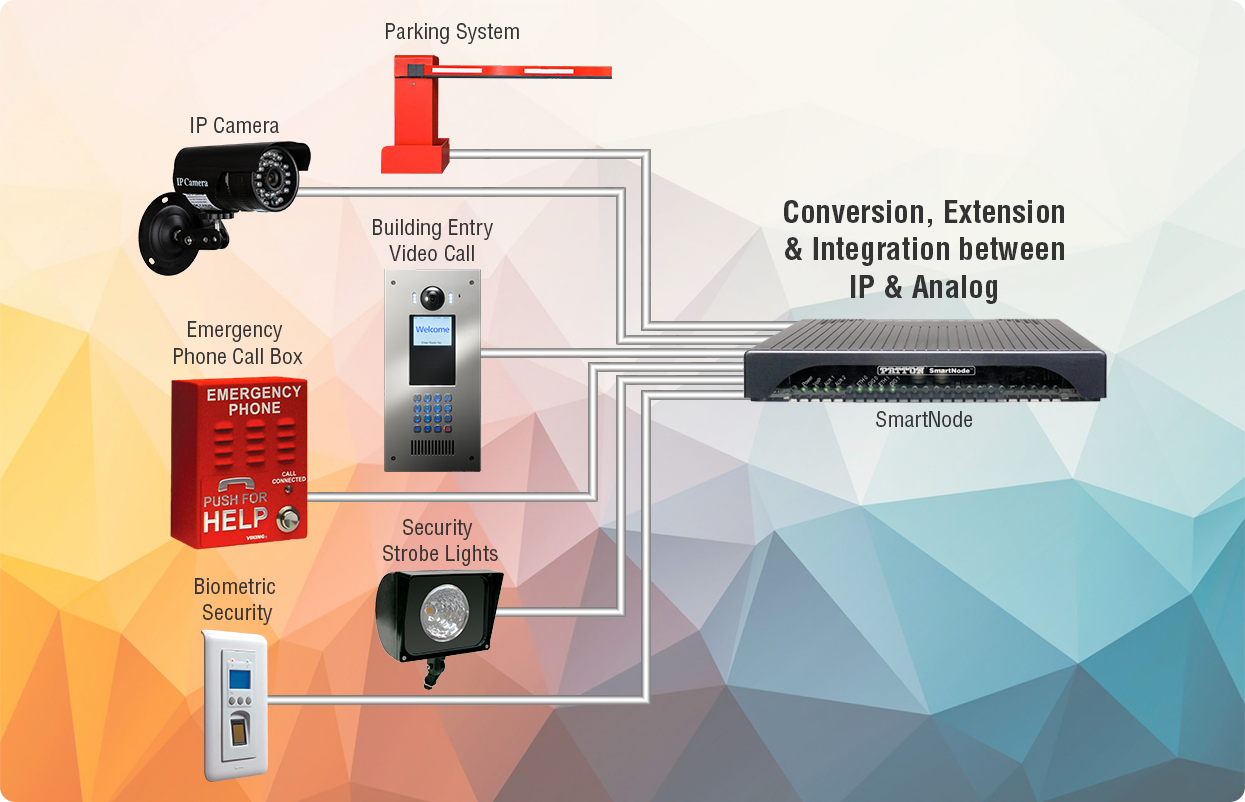
CCTV (Closed-Circuit Television) systems are widely used for surveillance and incident monitoring. Cameras help record activity, deter criminal behavior, and provide evidence during investigations.
Modern CCTV systems often include:
- Night vision monitoring
- Motion detection
- Remote viewing
- AI-based activity alerts
These systems help organizations maintain constant visibility over critical areas.
4. Fire Alarms and Safety Systems
Fire protection is a crucial part of physical security. Fire alarms, smoke detectors, and sprinkler systems help detect emergencies early and minimize damage.
These systems:
- Alert occupants immediately
- Enable safe evacuation
- Protect equipment and infrastructure
- Reduce fire-related risks
Regular testing and maintenance are essential to ensure reliability.
5. Fences and Perimeter Security
Perimeter security protects the outer boundary of a facility. Fences, gates, barriers, and controlled entry points help prevent unauthorized access.
Additional measures include:
- Security lighting
- Motion sensors
- Alarm-triggered gates
- Guard patrol routes
A strong perimeter acts as the first physical barrier against intrusions.
6. Biometrics for Building Access
Biometric systems use unique physical traits such as fingerprints, facial recognition, or iris scans to verify identity.
Benefits include:
- High authentication accuracy
- Difficult to duplicate
- Fast and convenient access
- Enhanced access control
Biometrics are increasingly used in corporate offices, data centers, airports, and secure facilities.
Common Physical Security Threats
Physical security systems help defend against multiple threats, including:
Unauthorized Access
Intruders entering restricted areas.
Theft and Burglary
Stealing equipment, documents, or valuables.
Vandalism
Intentional damage to property.
Natural Emergencies
Fire, flood, or environmental damage.
Understanding these threats helps in building stronger security plans.
Best Practices for Strengthening Physical Security
Organizations should follow key best practices such as:
- Use layered security controls
- Combine guards with surveillance systems
- Implement biometric access for critical areas
- Conduct regular security audits
- Train employees on emergency procedures
- Test alarms and safety systems frequently
A multi-layered approach provides stronger protection.