

 By
By Election Campaigns Conclude in Key States
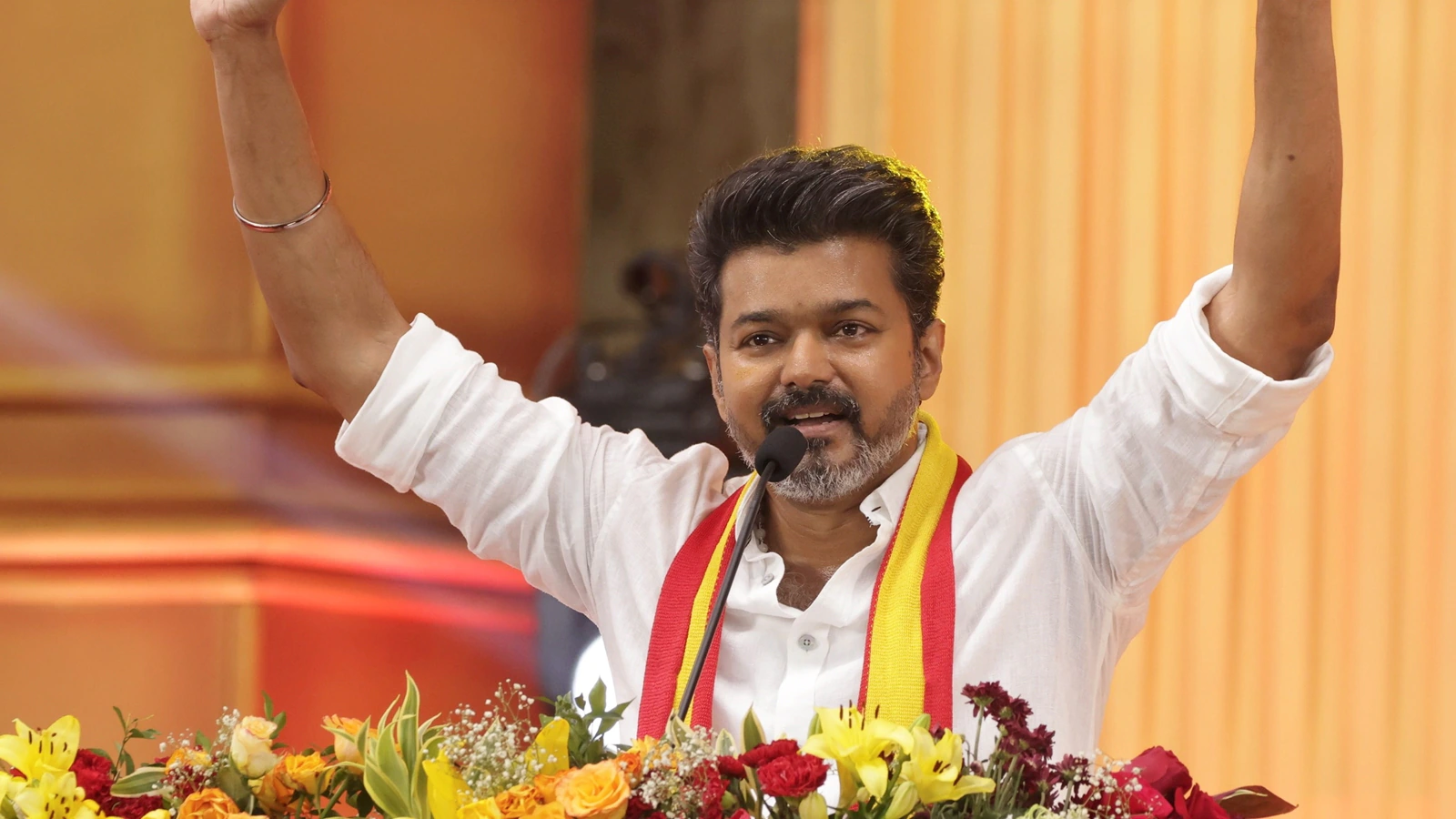
Politics across India is witnessing heightened activity as several states head into crucial Assembly elections. Campaigning has officially ended in Assam, Kerala, and Puducherry, with voting scheduled for April 9. Political parties, including the Bharatiya Janata Party and Indian National Congress, have conducted extensive campaigns featuring rallies, public meetings, and manifesto promises. Regional parties have also played a significant role, making the contests highly competitive.
Strict Measures by Election Commission
The Election Commission of India has implemented strict rules to ensure fair elections. One major step is the ban on exit polls from April 9 to April 29 in poll-bound states. This measure is intended to avoid influencing voters during the multi-phase election process and maintain transparency and neutrality.
Assam Sees Intense Political Battle
In Assam, the political contest has become particularly intense. The ruling BJP faces strong opposition from Congress and regional alliances. Political discussions in the state often revolve around regional identity, development, and governance issues, making this election a key test for all parties involved.
Kerala’s Traditional Two-Front Contest
Kerala continues to witness its traditional political rivalry between the Left Democratic Front (LDF) and the United Democratic Front (UDF). The competition remains close, and voter turnout is expected to play a decisive role in determining the outcome.
West Bengal Prepares for High-Stakes Voting
In West Bengal, elections are scheduled in multiple phases later this month. The ruling All India Trinamool Congress is aiming to retain power, while the BJP is making strong efforts to expand its influence. Political tensions have increased, with debates over election conduct and governance dominating discussions.
Tamil Nadu Witnesses Policy Debates
Tamil Nadu is seeing sharp political exchanges over welfare schemes and governance models. Issues such as free public services and state-led welfare programs have become central topics, highlighting the contrast between regional and national political approaches.
Political Developments Beyond Elections
Beyond election-bound states, political activity continues across India. In Madhya Pradesh, efforts are underway to strengthen party infrastructure at the grassroots level. Meanwhile, Tripura is preparing for local council elections, reflecting ongoing democratic engagement at different administrative levels.
Weather and Logistics Impact Elections
Weather conditions are also emerging as a factor in the electoral process. Rising temperatures and extreme weather alerts, particularly in eastern states, may influence voter turnout and election arrangements. Authorities are taking precautions to ensure smooth voting despite these challenges.
Administrative Steps to Encourage Voting
To boost voter participation, several states have announced public holidays, including bank closures, on polling days. These measures aim to make it easier for citizens to exercise their democratic rights and increase overall turnout.
Conclusion: A Phase in Indian Politics
India’s political environment is currently dynamic and highly competitive. With multiple states going to the polls, the outcomes will not only determine regional leadership but also influence the broader national political landscape. As voters prepare to cast their votes, the focus now shifts from campaigning to decision-making, marking a crucial phase in the democratic journey of the country.
Follow Us On Instagram