

 By
By Ransomware 2.0: How Modern Cyber Gangs Are Using AI to Target Businesses in 2026
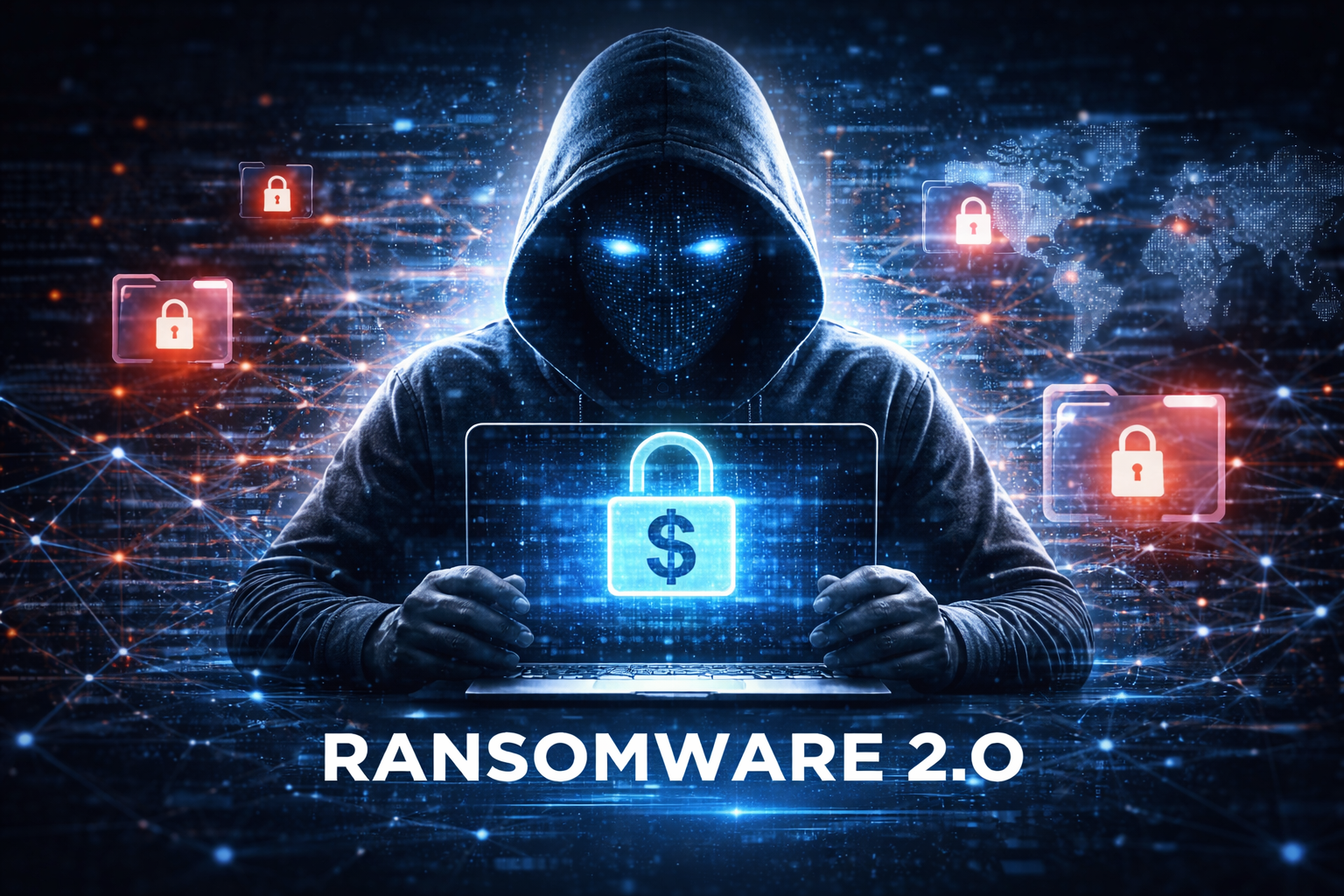
Ransomware is no longer what it used to be. In 2026, cybercriminal groups have evolved into highly organized digital enterprises, using artificial intelligence to automate, scale, and refine their attacks. This new wave — often referred to as “Ransomware 2.0” — is smarter, faster, and significantly more damaging than earlier versions.
Businesses of all sizes are now in the crosshairs.
What Makes Ransomware 2.0 Different?
Traditional ransomware encrypted files and demanded payment for decryption. Today’s attacks are multi-layered and strategic. Cyber gangs now use AI tools to:
- Identify high-value targets
- Scan networks for vulnerabilities automatically
- Steal sensitive data before encryption
- Customize ransom demands based on company revenue
Instead of blindly attacking systems, criminals now analyze a company’s financial strength, insurance coverage, and operational dependencies before striking. This increases the likelihood that victims will pay.
Double and Triple Extortion Tactics
Modern ransomware groups use double extortion — encrypting files and threatening to leak stolen data. In some cases, attackers even contact customers or partners directly, increasing pressure on the victim organization.
Triple extortion goes one step further: launching distributed denial-of-service (DDoS) attacks while negotiations are ongoing. The goal is simple — create maximum disruption to force quick payment.
This shift shows that ransomware is no longer just a technical issue. It is a business crisis.
AI’s Role in Modern Attacks
Artificial intelligence has transformed the cybercrime landscape. Attackers now use AI to:
- Generate convincing phishing emails in multiple languages
- Detect security software behavior and adapt malware accordingly
- Automate lateral movement within networks
- Identify backup systems and disable them
AI-powered malware can even “learn” from failed attempts and modify itself to bypass detection systems. This creates a continuous cat-and-mouse game between attackers and cybersecurity teams.
Why Small Businesses Are Prime Targets
Many small and medium-sized businesses believe they are too insignificant to attract cybercriminals. Unfortunately, automation has changed that reality. AI allows attackers to scan thousands of companies simultaneously, selecting those with weak defenses.
Smaller organizations often lack:
- Dedicated security teams
- 24/7 monitoring systems
- Advanced endpoint protection
- Incident response planning
This makes them attractive entry points for ransomware groups.
The Financial and Reputational Impact
The cost of ransomware extends far beyond the ransom payment. Businesses may face:
- Operational downtime
- Regulatory fines
- Legal expenses
- Customer trust loss
- Brand damage
In many cases, recovery costs exceed the ransom itself. Data restoration, forensic investigations, and system upgrades can take weeks or months.
Cybersecurity is no longer optional — it is a core business investment.
How to Protect Against Ransomware 2.0
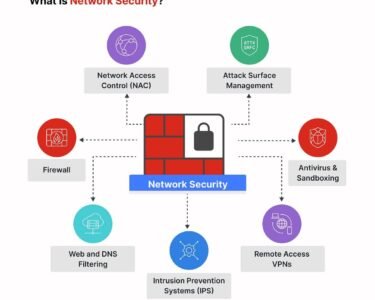
To combat modern ransomware threats, organizations must adopt a proactive security strategy:
1. Implement Zero Trust Architecture
Verify every access request. Never assume internal systems are safe.
2. Maintain Offline Backups
Keep secure, regularly tested backups disconnected from the main network.
3. Use AI-Based Threat Detection
Modern security platforms can detect abnormal behavior patterns before encryption begins.
4. Enable Multi-Factor Authentication (MFA)
Compromised credentials are a common entry point. MFA adds an essential layer of defense.
5. Conduct Regular Security Awareness Training
Employees are often the first line of defense. Phishing awareness can significantly reduce risk.
6. Develop an Incident Response Plan
Know exactly what to do before an attack happens. Quick action minimizes damage.
The Future of Ransomware
As AI technology advances, ransomware will continue to evolve. However, so will defensive capabilities. Organizations that invest in continuous monitoring, threat intelligence, and employee education will be far more resilient.
The biggest mistake a company can make in 2026 is believing “it won’t happen to us.”
In today’s digital world, preparation is the only real protection.